

Modern consumers do not search because they want more information; they search because they are trying to establish enough certainty to make a purchase decision.
In 2026, this decision-making journey is no longer confined to a single search box on a single browser tab.
A prospective customer may first discover a brand on TikTok, research its specific features on Google, verify user opinions and reviews on Reddit, and finally query ChatGPT to make a final brand comparison.
To capture modern consumer intent, brands must transition from traditional, single-channel Search Engine Optimization to a multi-surface methodology known as Search Everywhere Optimization (SEO).
This article provides an authoritative guide on how this unified strategy works and how brands can execute it to remain visible across Google, social media, and AI answer engines without tripling their workload.
Historically, the discipline of search engine optimization (SEO) was simple: rank on the first page of Google. For over two decades, marketers fought to be on that single page of ten blue links. In 2026, this monolithic model will be obsolete.
Consumers have not stopped searching; rather, their search habits have fragmented across several platforms simultaneously. Instead of entering one door, the modern buyer enters multiple doors to complete their evaluation.
Data compiled by NP Digital reveals that modern search intent has scattered across distinct platforms:
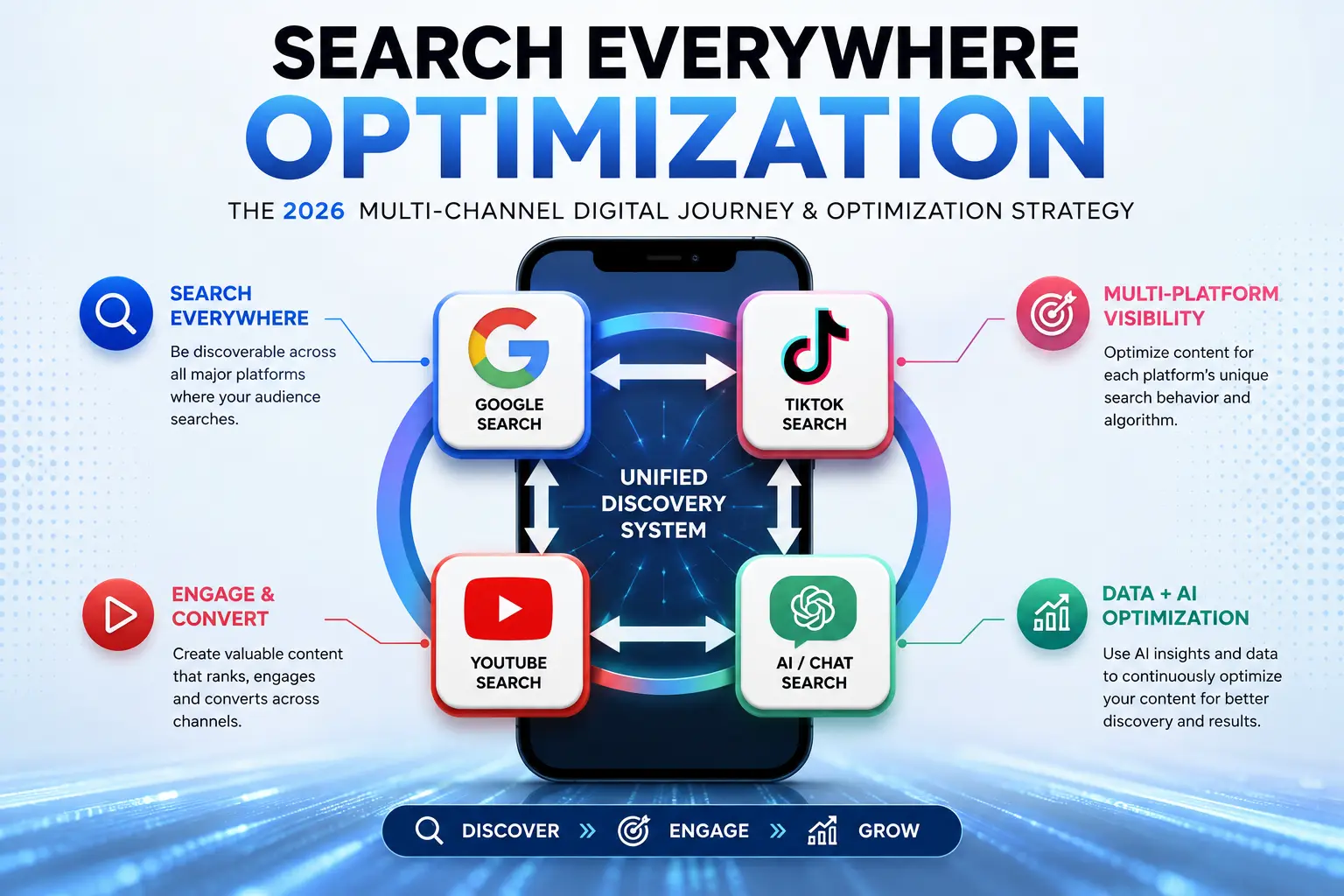
Figure 1: The Connected Modern Multi-Platform Search Journey
A critical milestone in the transition to Search Everywhere Optimization is Google's own integration of social media content into search results.
Google recently rolled out a major feature called Platform Properties' in Google Search Console.
This allows webmasters and marketers to connect their brand's Instagram, TikTok, X (formerly Twitter), and YouTube channels directly to their Search Console dashboard.
With Platform Properties, Google now reports exactly which search queries surface a brand's social media posts, along with impressions and click-through rates.
This is not merely a reporting update. Google does not build measurement dashboards for elements it considers 'noise.' By reporting these metrics, Google has officially designated social media posts as genuine search results.
Most brands fail to capitalize on social search because their content is designed purely for 'the scroll'. They chase transient trends, dances, and viral hooks.
While this content may gain brief attention in a social feed, it is completely invisible to search engines because it does not answer specific user queries.
To rank in search, social media content must be explicitly 'shaped like an answer'. Brands should construct content that answers high-intent search queries directly. Examples include:
Marketers can discover these exact search queries using tools such as AnswerThePublic, which aggregates real-world search queries and questions in the exact language used by consumers.
Every relevant question identified is a dedicated social media post waiting to be created.
AI answer engines - such as ChatGPT and Google's AI Overviews - present a fundamentally different search paradigm.
Unlike traditional search engines that present ten blue links, AI answer engines synthesize web data and deliver a single, research-backed verdict or a highly curated pair of recommendations.
In this 'winner-take-all' environment, a brand is either the recommended answer, or it is completely invisible.
Although AI engines refer to smaller volumes of traffic compared to traditional search, this traffic is of unparalleled quality.
NP Digital's research indicates that visitors referred by AI convert at a rate approximately eight times (8x) higher than traditional search traffic.
This is because the AI has already compared, vetted, and recommended the brand; by the time the buyer clicks through, they are pre-sold.
Marketers can evaluate their current standing in AI search using tools like Ubersuggest, which has introduced AI visibility tracking to monitor how often ChatGPT and other LLMs cite and mention specific brands.
An analysis of 82 distinct ranking factors behind ChatGPT's recommendations conducted by NP Digital revealed a dramatic shift in how search algorithms evaluate brands:
Ranking Factor | ChatGPT Rank / Score | Strategic Importance |
Content Relevancy | Rank #1 | Content must completely and directly resolve the user's specific query. Deep, authoritative answers are highly cited |
Brand Mentions | Rank #2 | Authority is established through third-party mentions on external sites. AI scans the web for honest reviews and press. |
Traditional Backlinks | Score: 1.9 / 5 | Traditional page rank backlinks are heavily discounted by ChatGPT, scoring near the bottom of ranking factors. |
Table 1: ChatGPT Ranking Factors Analysis
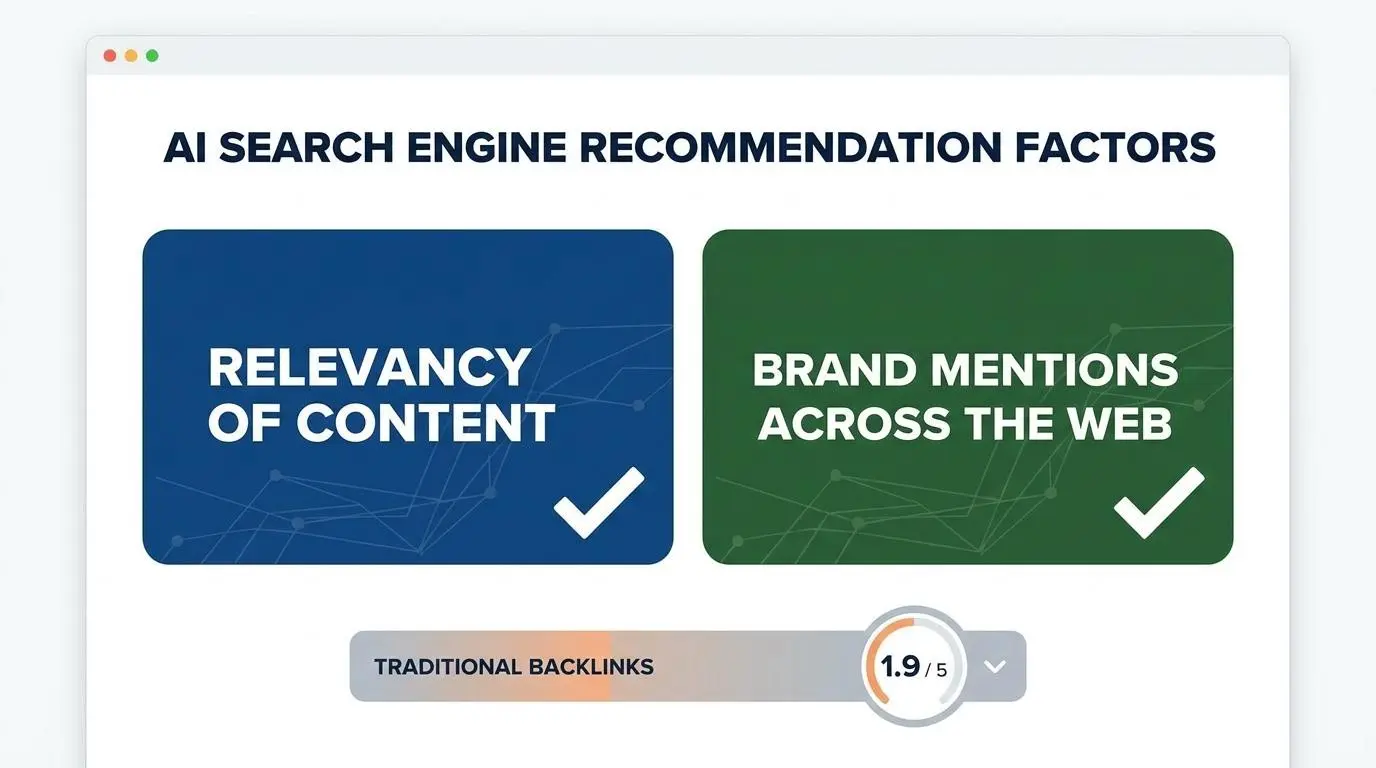
Figure 2: ChatGPT Recommendation Factors vs. Traditional Backlink Focus
Executing a Search Everywhere Strategy might sound like it requires triple the workload, triple the team size, and triple the budget.
However, the most successful brands in 2026 achieve this through a highly efficient 'One Answer, Every Surface' workflow.
Instead of managing separate, disconnected strategies for Google, TikTok, YouTube, and AI, marketers should build a single deep, authoritative asset - a 'core answer' with a strong point of view - and translate it across formats:
This approach is described as 'one answer wearing four outfits'. It ensures that your brand appears as the identical, trusted answer everywhere your buyer looks.
Maintaining messaging consistency across all public channels is no longer just a branding preference; it is a technical search requirement.
Modern AI algorithms and search crawlers read a brand's entire digital footprint - including the main website, social media profiles, press releases, and customer reviews and synthesize them into a single, unified document.
If a brand's TikTok voice contradicts its official website, or if its LinkedIn positioning is inconsistent with its reviews, the AI crawler is unable to build a reliable interpretation.
Rather than recommending a brand with fragmented messaging, the recommendation engine will skip the brand entirely, classifying the inconsistency as an algorithmic risk.
An inconsistent brand does not get recommended; it gets ignored. Conversely, NP Digital's research indicates that brands with a single, highly aligned message across all surfaces convert visitors at a significantly higher rate than those with fragmented, siloed campaigns.
Message consistency is the ultimate multiplier on modern search performance.
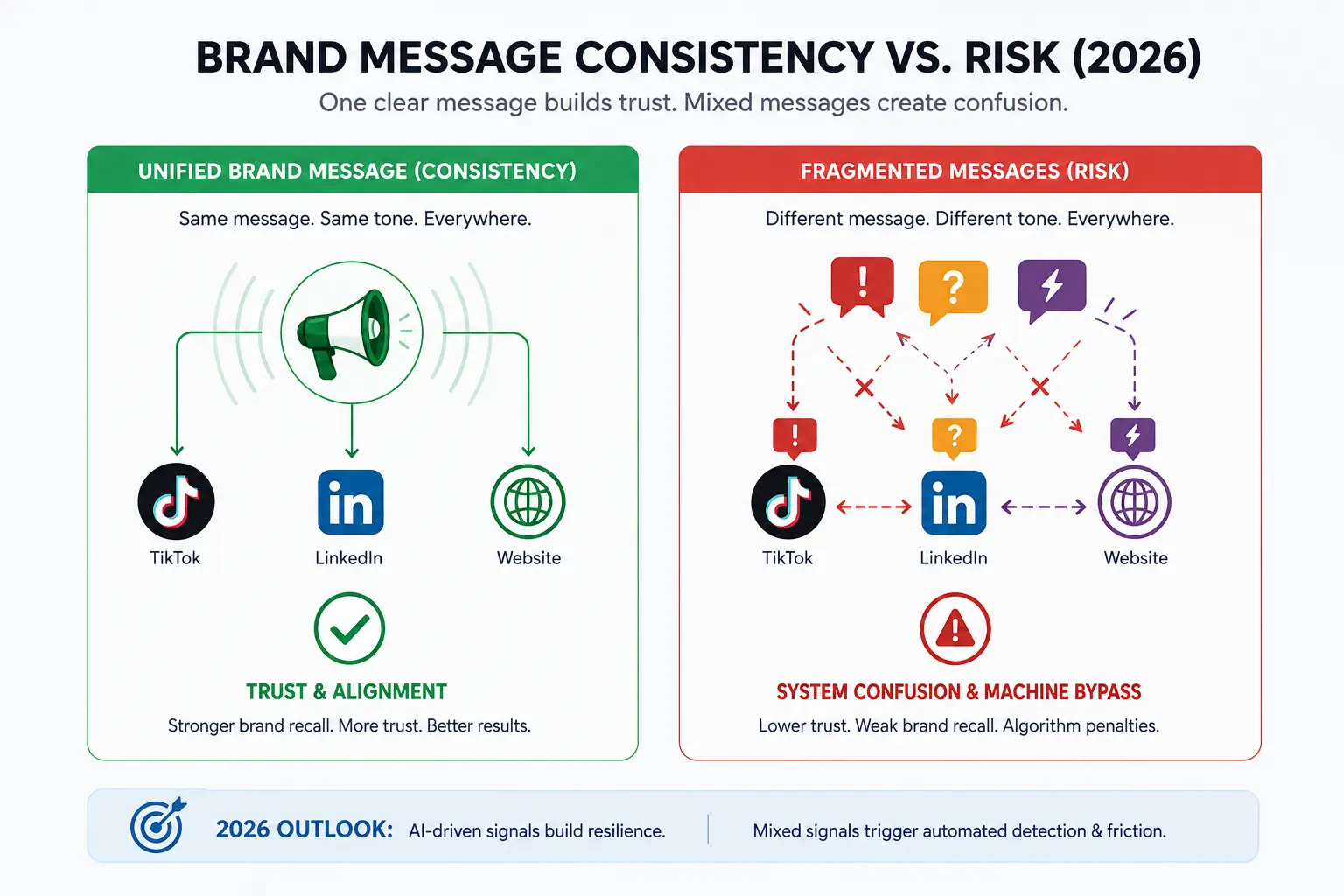
Figure 3: Consistent Multi-Platform Messaging vs. Algorithmic Fragmentation Risk
To successfully transition your marketing department to a Search Everywhere Optimization (SEO) framework, execute the following six steps:
While the 'Search Everywhere' framework provides a powerful strategic blueprint, it is critical to highlight several practical gaps that are not addressed in the video source material: