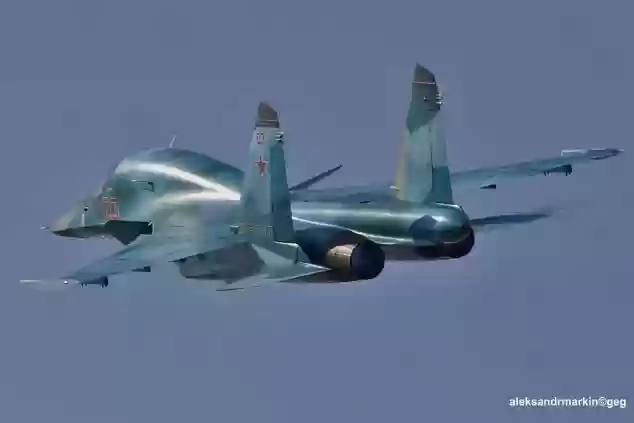
The Sukhoi Su-34 Fullback is a multipurpose aircraft that entered the services of the Russian Air Force in 2014. This aircraft is a true masterpiece of modern engineering and technology. During a long process of development, the Su-34 received the most updated technology to match the requests of the recent operational environment. This was best proven during the Syrian civil war, where the Su-34 displayed exceptional performance against ISIS and rebel targets. The performance during the Syrian civil war attracted the attention of other countries including Algeria, which expressed interest to purchase the aircraft.
The Sukhoi Su-34 Fullback is the ultimate in bomber technology. This supersonic aircraft is capable of carrying tons of munitions and delivering them with pinpoint accuracy. The Fullback is built for one thing: destruction. It can take on any target with ease, and leave nothing but rubble in its wake. The Fullback is also extremely manoeuvrable, making it a difficult target for enemy fighters. This makes it a perfect choice for those who want to strike fear into the hearts of their enemies. Visit our website for more information. https://planehistoria.com/modern-day/sukhoi-su-34
Send Enquiry
X
Is this your Business?
Verify ownership to attract more customers by adding business details and content.
Lockheed SR-71 Blackbird – The Plane Designed to Leak | PlaneHistoria
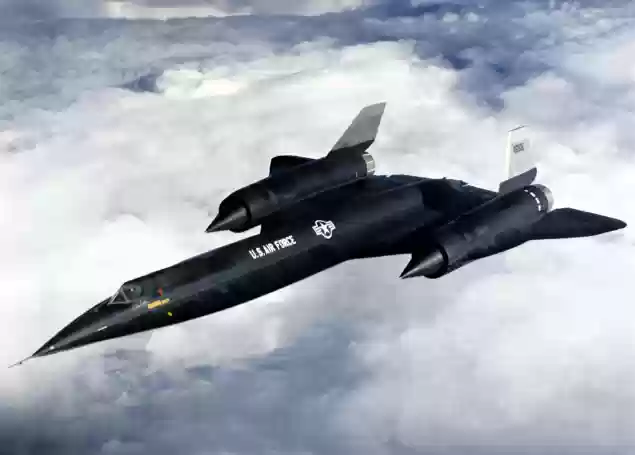
Do you know about the Lockheed SR-71 Blackbird – the Plane Designed to Leak? PlaneHistoria provides the history of the SR-71 Blackbird aircraft, which was designed and built by Lockheed from 1964 to 1989. An all-black aircraft, it was used for reconnaissance missions over the Soviet Union, North Vietnam, and other areas of interest around the globe.
Moreover, it was built to withstand extreme pressure and heat. And it did just...
General Dynamics F-16 – The Rebirth of the Dogfighter | PlaneHistoria
Do you know the General Dynamics F-16 – the rebirth of the dogfighter? This is the fighter that took air combat to the next level. This is the fighter that redefined the art of the possible. This is the fighter that made you king of the skies. The F-16 was the product of a group of maverick pilots and engineers who were unafraid to think outside the box. They were...
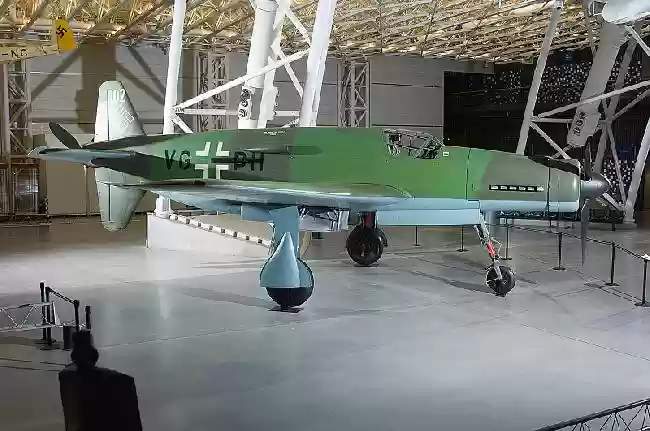
The Vought F4U Corsair is an instantly recognizable carrier-based WW2-era fighter aircraft. It received many upgrades throughout its lifetime and even saw action in Korea. In this article, we take a look at the Bent Wing Bird. For more information regarding this aircraft visit our website https://planehistoria.com/wwii/do-335/
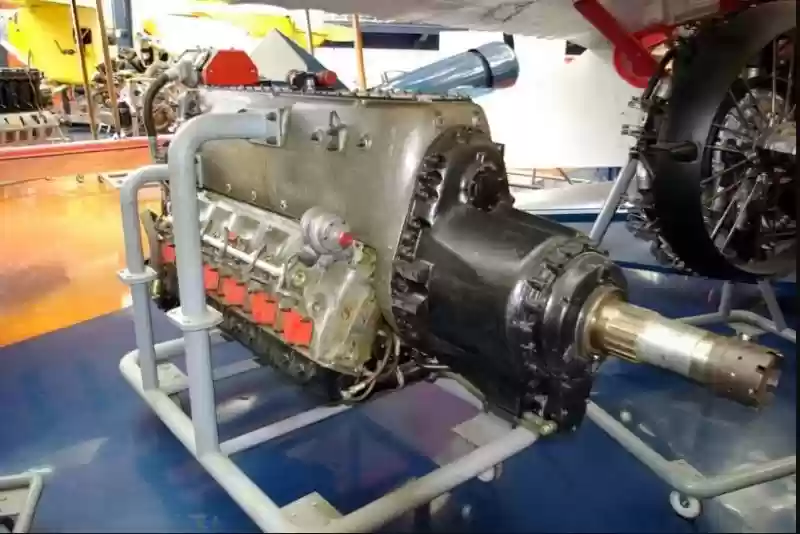
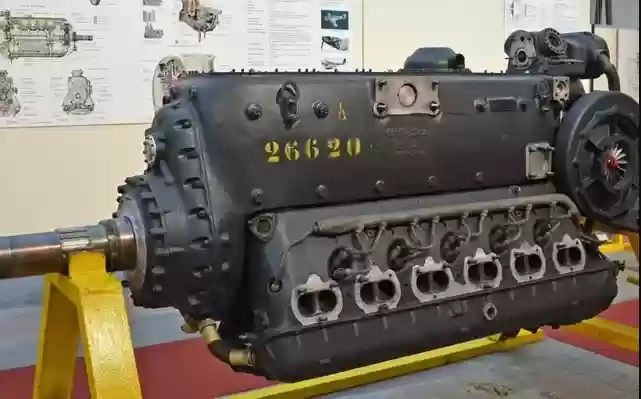
The DB 600 Series of V12s- the Backbone of the Luftwaffe
The DB 600 series was a series of inline air-cooled, 6-cylinder aircraft engines produced by Daimler-Benz, then a German automotive company. The series was introduced in 1935 and featured various improvements over previous models, including improved reliability and reduced weight. During World War II, the DB 600 engines were used in a variety of aircraft such as the Messerschmitt Bf 109 fighter plane.
The DB 600 engine was an air-cooled inline...
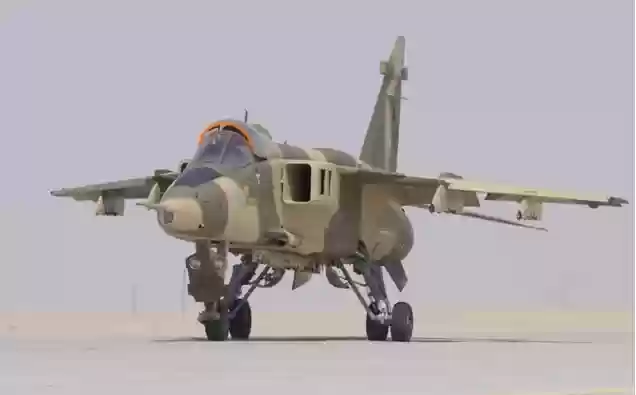
Introducing the SEPECAT Jaguar - a jet trainer turned nuclear attacker. The Jaguar was designed in the 1960s as a jet trainer. But as with many aviation projects, they grow in scope and become more expensive. This Anglo-French venture eventually became a supersonic tactical nuclear-capable aircraft.
It ended up being a huge success and despite aircraft being built from 1968 – 1981, it is still in service with the Indian Air Force, some 50 years later. Many other nations also bought the Jaguar with exports heading to Oman, Ecuador, and Nigeria too. Even though she had humble origins, it has been used in many major conflicts including the 1990 Gulf War. Visit our website to know more information. https://planehistoria.com/modern-day/sepecat-jaguar
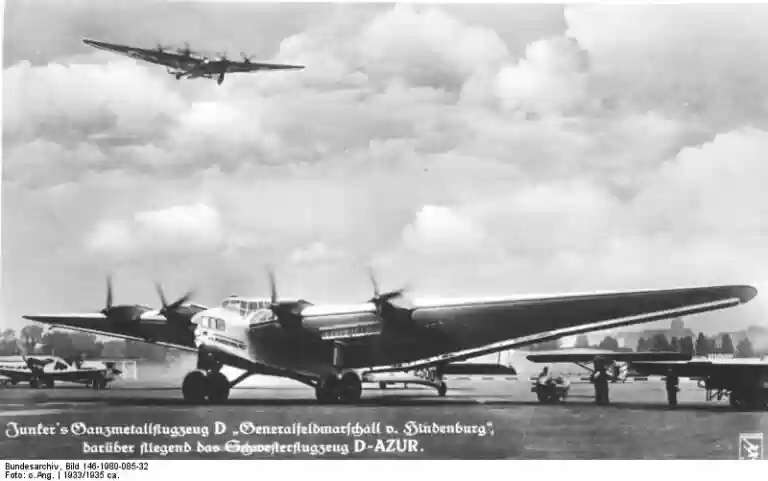
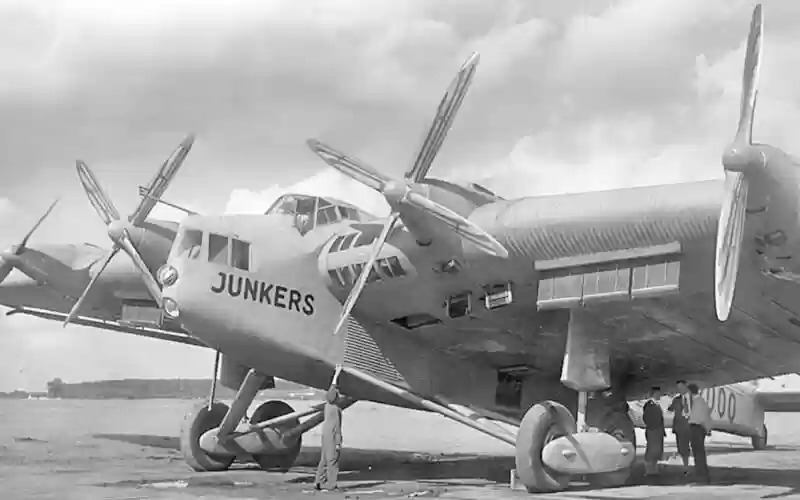
The Junkers G.38 was a workhorse transport aircraft of the Second World War that saw heavy use in paratrooper and glider roles. It was used by Hitler’s elite forces, including the SS, as well as by the Wehrmacht and Luftwaffe in general. The G.38 was developed to meet a need for a transport aircraft that could be used for long-range and heavy-lifting operations.
The G.38 was designed and built by Junkers Flugzeugwerke from 1935-1937. It had...