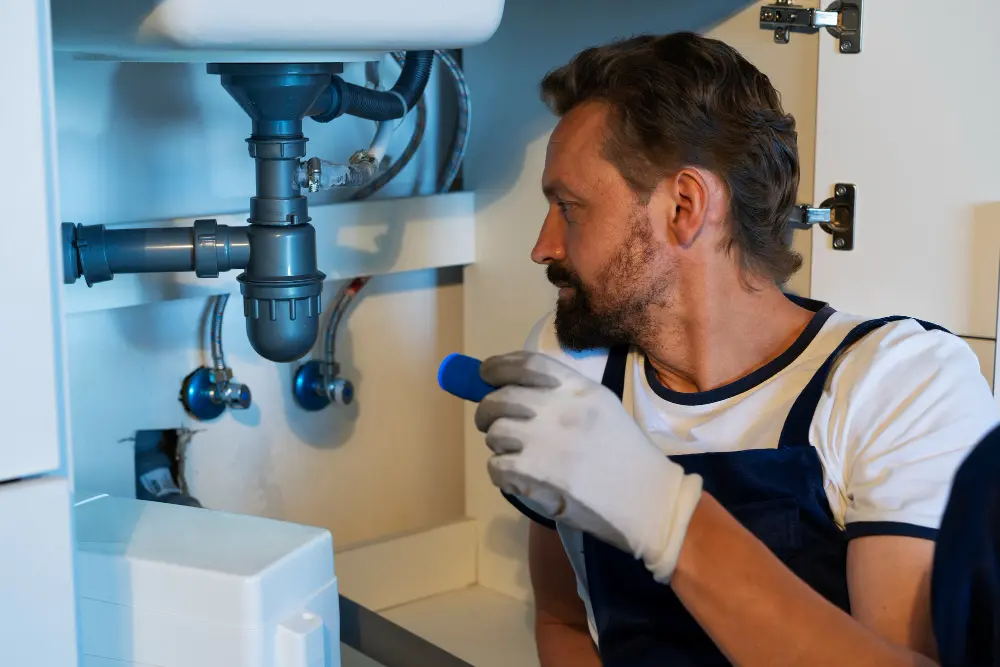
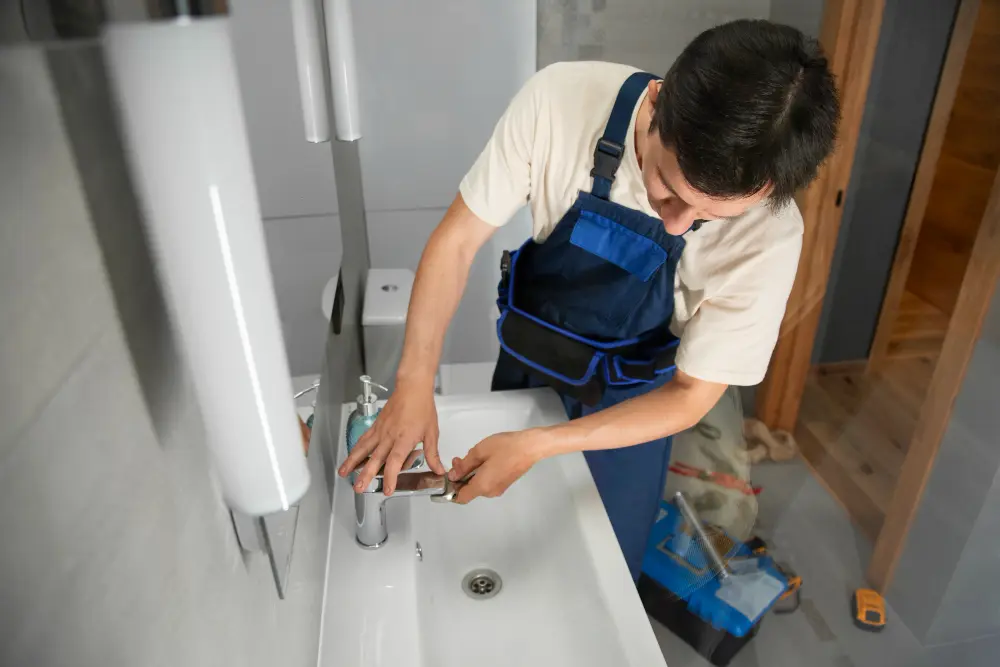
Homeownership comes with its own set of challenges, especially when it comes to maintaining the plumbing system. Leaks within your home are not only inconvenient but can also lead to significant damage if left unaddressed. On the other hand, simple maintenance tasks can prevent such issues from arising in the first place. This raises an important question: should you prioritize Plumbing Leak Repair or focus on routine maintenance? In this article, we will explore the signs of plumbing leaks, effective maintenance techniques, cost considerations, and how to make an informed decision tailored to your home and family needs.
Identifying leaks early is crucial to prevent extensive damage and costly repairs. Signs of a potential plumbing leak include unexpected increases in your water bill, damp spots on walls or ceilings, and the sound of running water when no fixtures are in use. Utilizing a professional service for an Indoor Air Quality Assessment can also help detect hidden leaks, as excess moisture can affect air quality. According to the Environmental Protection Agency (EPA), household leaks can waste nearly 10,000 gallons of water annually, underscoring the importance of timely Plumbing Leak Repair.
Addressing leaks promptly not only conserves water but also prevents potential damage to your home's structure and finishes. If you're already noticing these signs, it might be time to seek professional Plumbing Leak Repair. This service can tackle the issue at its source, ensuring a comprehensive resolution.
Routine maintenance plays a pivotal role in extending the lifespan of your plumbing system and preventing leaks. Regularly inspecting pipes and fixtures for signs of wear and tear can help catch potential issues early. Moreover, implementing Sustainable Landscaping Techniques around your home can improve drainage and reduce the risk of water-related damage.
Conducting an Energy Efficiency Audit can also be beneficial; it helps ensure that your plumbing system is running efficiently and not contributing to unnecessary water waste. Maintenance tasks like replacing worn-out washers, tightening loose fittings, and cleaning aerators can prevent leaks from developing.
When it comes to costs, both leak repairs and maintenance have their financial implications. Plumbing Leak Repair can be costly if the damage is extensive, often requiring specialized equipment and expertise. However, routine maintenance can be more cost-effective in the long run by preventing the need for major repairs.
A study by the American Water Works Association found that regular maintenance can reduce water-related repair costs by up to 30%. Investing in simple, consistent maintenance can save money over time, as it minimizes the risk of unexpected leaks and water damage.
Deciding whether to prioritize repairs or maintenance depends on your current situation and the condition of your plumbing system. If you are experiencing active leaks or signs of water damage, immediate action with Plumbing Leak Repair is necessary to prevent further issues. On the other hand, if your plumbing appears to be in good condition, focusing on maintenance might be the wiser choice.
Consider consulting with a Home Staging Specialist or a Feng Shui Consultant to evaluate how plumbing upkeep can impact your home's value and energy flow. Additionally, adhering to Homeowners Association (HOA) Regulations may require routine inspections and maintenance to ensure compliance and avoid penalties.
Balancing Plumbing Leak Repair with regular maintenance is key to ensuring a safe and efficient home environment. Identifying leaks early, investing in preventive maintenance, and considering cost implications will help you make an informed decision. Prioritizing these actions not only protects your home but also contributes to a more sustainable and comfortable living space for your family.