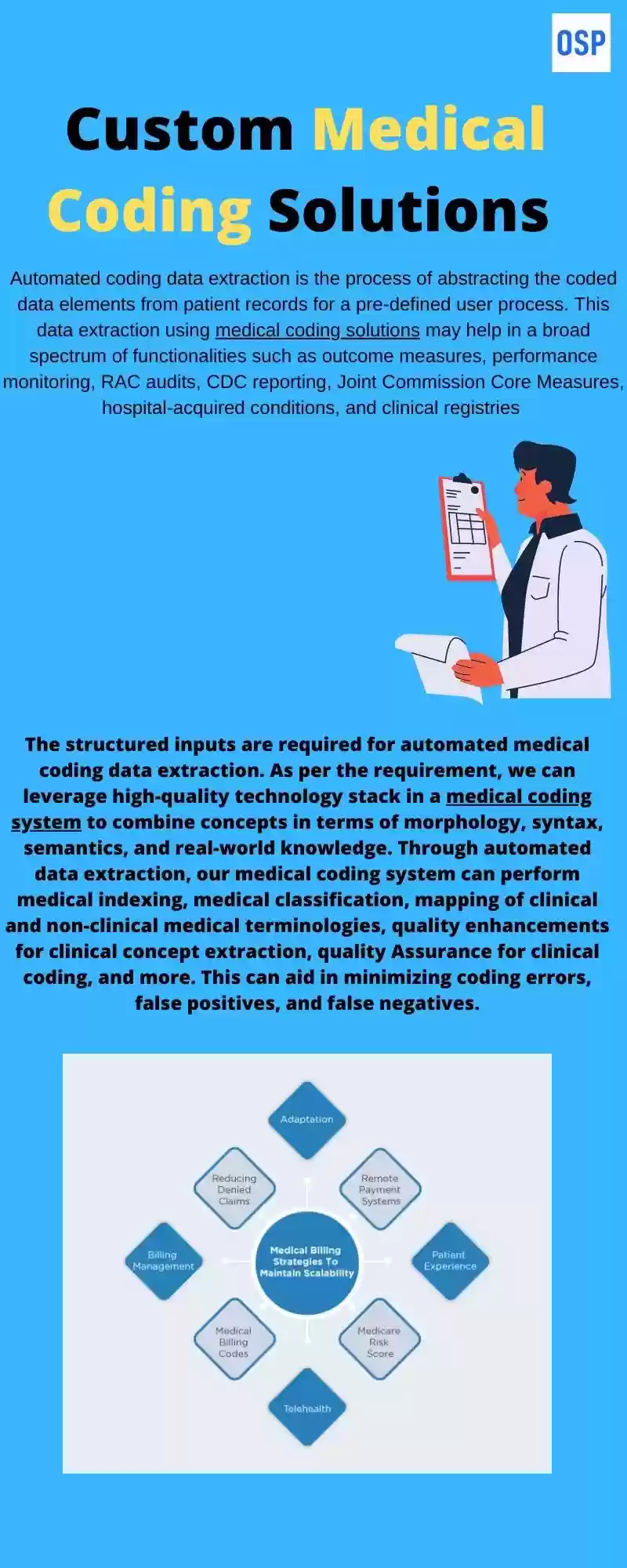
In addition to helping streamline the entire process lifecycle of filing out claims and submitting them, software for medical coding and billing allows providers to track each of the claims submitted. This is yet another tedious, manual task that non-medical staff at hospitals and clinics need to put up with. It’s no secret that claims could take days to get approved for providers to get reimbursed. So, medical coding systems that also include billing and claims tracking features would help providers identify the claims that are likely to get denied and make necessary corrections accordingly. Such solutions do most of the tracking and checking automatically, easing the workload of the staff at large hospitals.
Patients’ health data is protected by stringent regulations such as HIPAA (Health Insurance Portability and Accountability Act). So, it makes it essential for providers to ensure the utmost privacy and integrity of patient data. Fortunately, any reliable HIPAA-compliant medical coding system would help providers handle patient data without compromising its security. Being a digital platform, medical coding apps almost entirely eliminate any chances of misplacing things that would likely happen when handling physical paperwork.
To sum it up, medical coding solutions are becoming must-haves in an era that is witnessing the rapid digitalization of healthcare. These platforms help streamline important workflows, improve revenues, protect patient data, and reduce the cost of healthcare. So if you are an administrator of a hospital or a doctor with a small private practice, investing in software for medical billing and coding is worth every penny.
Remote Patient Monitoring Can Be a Game-Changer for Healthcare
As the name indicates, remote patient monitoring (RPM) involves the use of technology to monitor patients’ health and vital signs outside clinical settings. It has shown enormous potential to improve accessibility to care and address many inequities. Although the idea behind RPM was conceived over a decade ago, the Covid-19 pandemic pushed many providers as well as patients to re-think their stance on RPM.
Innovations in health information gathering form the cornerstone of...
3 ways cloud computing solutions are improving healthcare in the US
Cloud computing is an important step of the ladder towards the next wave of digitization. It has impacted different areas of our lives, and healthcare is not an exception. The cloud has been used to run critical applications; the cloud has helped scale the management process to a whole new level. With many new inventions on the board, the healthcare cloud solutions are helping healthcare improve and improvise for the...
The US Hospital Management Software Market-Drivers, Restraints, and More
Getting into the shoes of a business owner means you have to acclimatize many things. As new technologies emerge, it becomes imperative to not just race in the competition but also improvise your models to win it. A straightforward example of this is how healthcare facilities in the US are trying to leverage the benefits of hospital management system software.
Before entering into the US hospital management software market, you need to...
Remote Patient Monitoring Can Help Contain the Growing Epidemic of Chronic Diseases
It is estimated that more than 40% of Americans suffer from at least one chronic disease. Many of them even suffer from more than one. Furthermore, experts estimate that the cost of chronic diseases, including the healthcare cost and the loss in economic productivity, to be approximately $3.7 trillion each year. Specialists in public health concur that this is a genuine healthcare crisis in the country.
Medical Billing Solutions Boost Revenue Cycles for Providers
The complexity of American healthcare is no secret. It’s part of the reason why it’s as expensive as it is, and why innovative software solutions could help with that problem. In most countries, a patient walks into a hospital for a consultation, the doctor examines him, prescribes tests and medication, the person pays for it, and goes home. If it’s a country with universal healthcare, then government-run hospitals don’t charge any money.
But in...
Medical Billing - Osplabsosplabs.com
Automate your Medical Billing Cycle and receive full reimbursements for the care services delivered through OSP's Custom-designed advanced billing solutions....
The Transformative Effect of Healthcare Software Development
Digitization has revolutionized the way we work and organize. It has accelerated the pace of operations across every industry. When it comes to healthcare, software has digitized many workflows in clinical activities, research, as well as patient engagement. The growth of healthcare software development has ushered in waves of innovative applications that have helped clinicians deliver better care and for patients to have a good medical experience.