
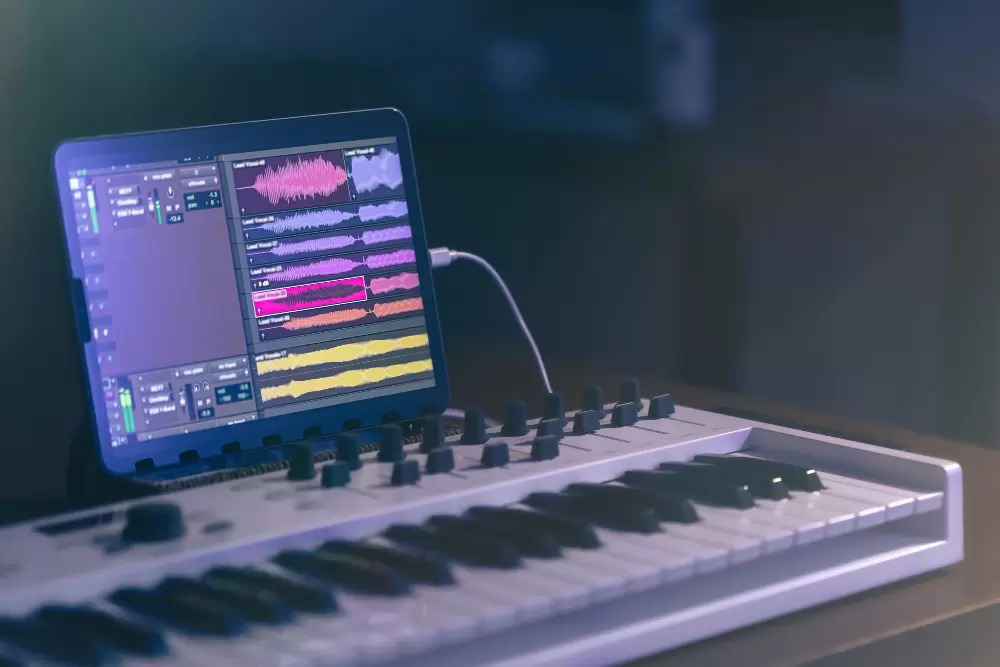
Music professionals rely on informed decisions. The amount of data generated by streaming platforms, social media, radio, and live events grows every year, and learning how to read those signals has become part of the job. When you track how audiences listen, engage, and respond, you reduce guesswork and improve planning. This is where music analytics comes in — a structured way to understand performance and trends across the industry.
Using music analytics helps professionals understand audience behavior, identify opportunities, and react to shifts in listening habits. Instead of relying on intuition alone, data offers a clearer picture of how well songs perform, which artist segments grow, and where attention moves next. For professionals who operate in fast-paced environments, these insights often decide how well a project will perform.
Event organizers often use data to decide who to book. A live event carries financial risk, so understanding which acts currently trend can reduce uncertainty. When an event organizer checks audience growth, engagement patterns, and results from recent shows, it becomes easier to pick an act that will attract the right crowd. Monitoring the rise of a new performer, the momentum of a genre, or the shift in a specific region gives organizers the advantage of booking talent at the right moment.
Record label A&R teams rely on similar principles. Their job is to spot promising musicians early. Without structured data, it is harder to see whether an artist’s momentum comes from a temporary viral moment or consistent long-term growth. When A&Rs review daily and weekly performance trends across streaming, social platforms, and radio, they can identify musicians whose audience grows steadily. This reduces the risk of signing an act with short-lived attention and increases the chance of developing artists who deliver strong releases and stable streaming numbers.
These use cases show why understanding data is no longer optional. Music professionals compete for attention in a crowded environment, and those who track the right signals build more accurate strategies. Instead of depending on trends that may become visible too late, they follow real-time changes and adjust their next steps accordingly.
Many platforms now help professionals analyze music-related data. Each tool focuses on making raw information easier to interpret, offering structured views of audience behavior, streaming trends, or artist growth. One such tool is Viberate, which provides access to extensive artist, track, and playlist data so users can explore trends and follow audience changes across channels.
Professionals use these tools to compare artists, measure campaign impact, plan releases, or identify new opportunities. They help clarify questions such as where a musician gains new listeners, which platforms drive engagement, or which songs have the highest potential for long-term performance.
Using music analytics well requires consistency. When professionals track the same metrics over time, they begin to notice patterns that guide planning. An event organizer might follow how a performer grows in specific cities to optimize bookings. A label might prepare a release plan by checking which platforms react strongest to early teasers. Managers may adjust promotional budgets based on how a campaign affects listener behavior.
These decisions come from clear signals rather than assumptions. A data-informed approach reduces risk and supports better coordination between teams. Whether planning a tour, evaluating new talent, or measuring the success of a release, understanding the underlying data supports better long-term outcomes.
As the amount of available information increases, the ability to interpret it grows in importance. Music analytics provides a structured view of the market, helping teams stay aligned and focused. When professionals understand their data, they communicate more clearly, set more realistic goals, and choose strategies supported by evidence.
Sound decisions shape careers and projects. By working with accurate information, music professionals reduce uncertainty and gain tools that support growth in a competitive environment.