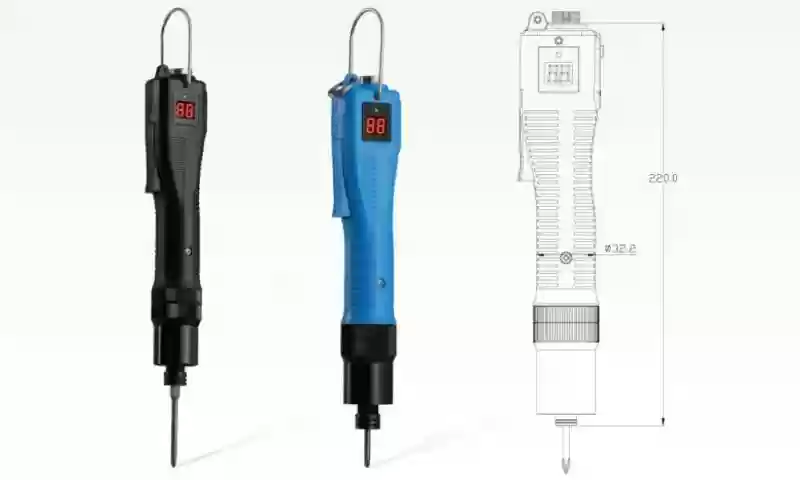
As a common power hand tool in the industry, electric screwdriver can't avoid some faults or problems during use. Then I will share several common faults and solutions:
Basic components: armature, bearing, gasket
(1) Armature: The most important part of an electric screwdriver, like the "heart", the state of the armature will determine whether the electric batch can work normally. According to measure the armature's DC resistance, we can know its quality. Under normal conditions, the DC resistance (220V) between the adjacent poles of the armature commutator is about 15Ω (the value is different depending on the manufacturer, and the larger DC resistance exceeds 20Ω)
(2) Bearing: From rotating the bearing, we can judge whether there is a stuck phenomenon, and when the internal friction is strong, the motor noise is large.
(3) Gasket: fixed armature to prevent up and down shaking, ensuring stability.
(4) The appropriate number of shims: The armature does not sway up and down, and the armature can be twisted with less force.

Common clutch failure:
(1) Unable to call the main screwdriver
The output shaft is broken, and the output shaft is replaced (the steel ball groove becomes larger and the steel ball automatically falls off)
(2) lack of steel beads, make up new steel beads
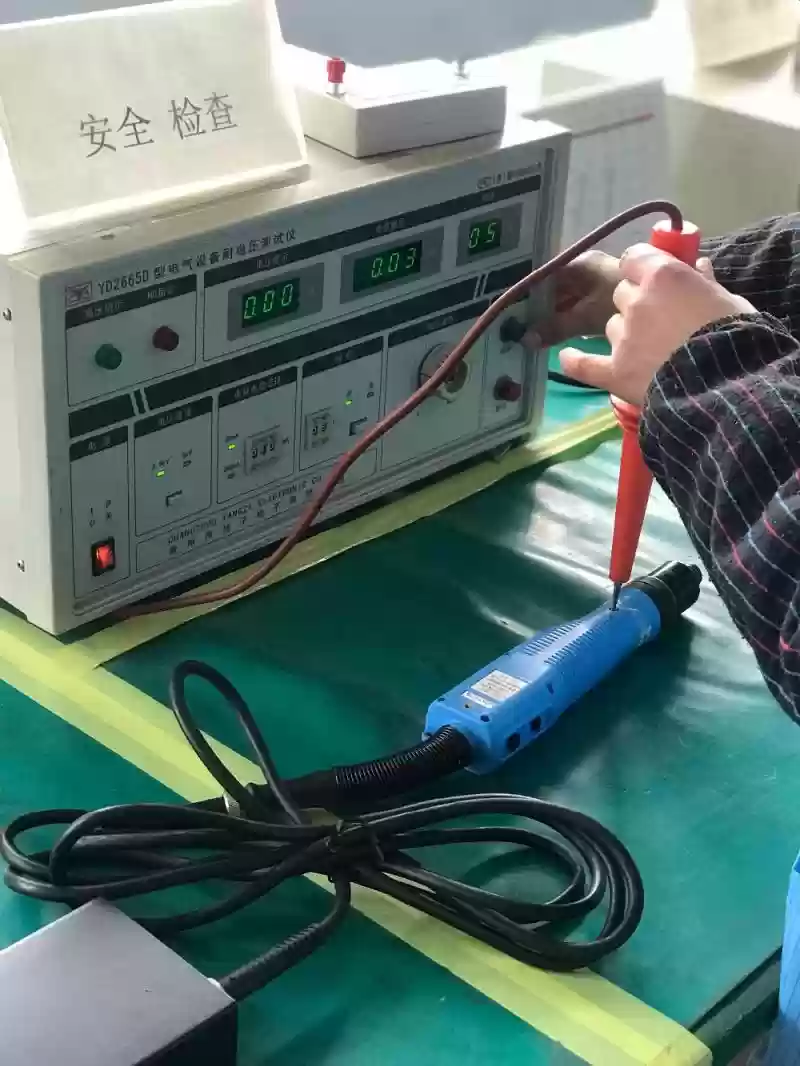
(1) There is a slight numb feeling when holding the screwdriver:
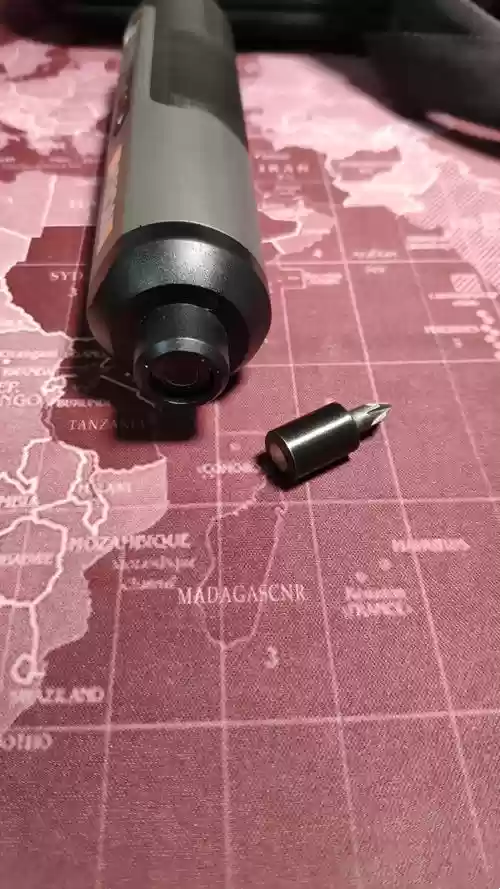
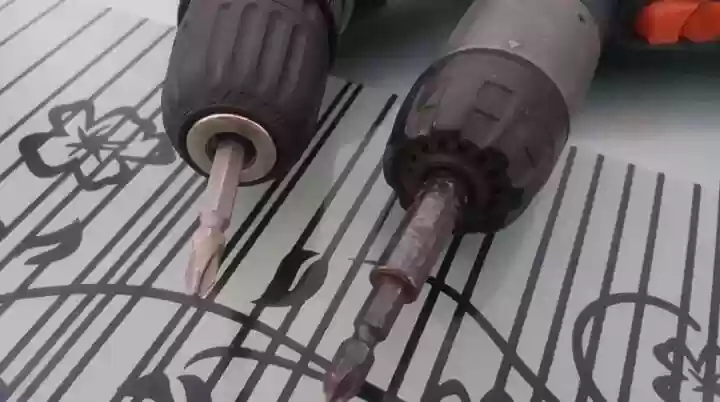
(2) Reasons for the shaking of the bit:
(3) Possible factors for testing the instability of the torque:

#Conclusion
If you want to check if there is a problem with your existing electric screwdriver, you can refer to this article: