
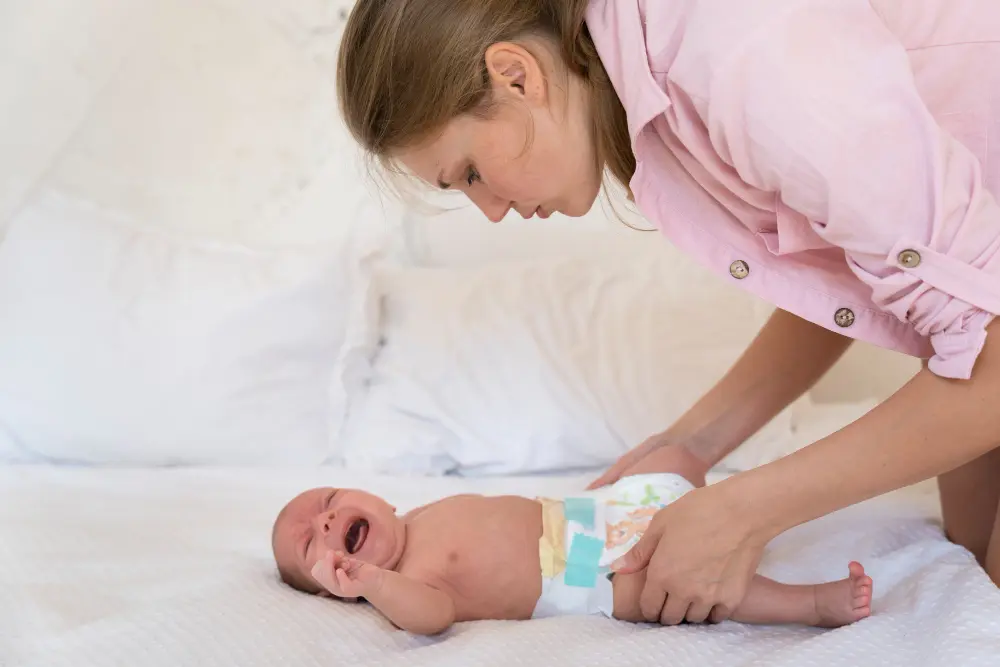
New parents quickly learn that managing newborn waste is a full-time commitment. Newborns require frequent changes—often up to ten to twelve times per day—making a dedicated diaper disposal system an integral part of nursery planning. However, as infant diets shift and solid foods are introduced, maintaining a fresh and clean nursery environment becomes increasingly challenging. Many families discover that despite regular emptying, lingering smells can permeate plastic walls, liners, and surrounding fabrics. Investing in a quality Momcozy odor locking diaper pail helps minimize daily odor buildup by utilizing multi-layer barrier films and secure trap-door seals, but executing a comprehensive odor-control routine is essential for long-term freshness. Understanding the physical causes of odor retention, establishing an effective cleaning schedule, and utilizing targeted absorption techniques will keep your nursery smelling clean day and night.
To effectively manage nursery odors, it helps to understand why diaper waste creates such persistent smells in the first place. Infant waste contains organic compounds, volatile fatty acids, and bacteria that multiply rapidly in warm, enclosed environments. When a dirty diaper is sealed inside a pail, moisture and warmth create ideal conditions for odor-causing bacteria. Over time, microscopic residue can cling to the lid, trap door, and inner walls, so even a freshly emptied pail may still smell. Fabric items nearby—changing pads, rugs, and laundry hampers—can also absorb airborne odor molecules, which is why a sealed disposal system matters as much as routine cleaning.
Odor intensity also changes with diet. Breastfed and formula-fed waste smell different, and once solid foods begin, the bacterial load and odor profile usually intensify. Families who wait until the pail is completely full often notice a sudden spike in smell because the liner has been holding moisture for too long. A proactive emptying schedule prevents that buildup before it becomes noticeable throughout the room.
Even the best odor-locking design works better when liners are changed before they are overloaded. Empty the pail at least every two to three days for newborns, and more often once solids start. Seal and discard the liner outside the home immediately so odors do not linger indoors. If your household is dealing with illness or unusually frequent changes, treat daily emptying as the default rather than the exception.
When replacing liners, check that the bag sits evenly around the rim and that no plastic is blocking the trap door. A wrinkled or loosely fitted liner can leave gaps that allow odor to escape every time the lid opens. Keep spare liners within reach of the changing area so the swap is quick and you are less tempted to postpone it.
Wipe the trap door, lid gasket, and inner canister with a mild, baby-safe cleaner. Rinse and dry thoroughly before inserting a new liner. Residual moisture is one of the fastest ways for smells to return. Pay special attention to hinges, rubber seals, and any textured plastic where film can collect. A soft cloth or gentle brush works better than abrasive scrubbers that can scratch the surface and create new places for residue to stick.
Once a month, do a deeper clean: remove the canister if your model allows it, wash removable parts with warm soapy water, and air-dry completely before reassembly. Never reassemble damp components. If your pail has a charcoal filter or deodorizing cartridge, follow the replacement interval listed by the manufacturer; an exhausted filter can make even a clean pail smell stale.
Place the pail away from heat sources and direct sunlight. Keep the surrounding floor dry, and consider a small nursery-safe absorbent near—not inside—the pail area if humidity is high. Avoid storing damp washcloths or used burp cloths in the same corner, since moisture amplifies odor. If the nursery has poor ventilation, crack a window briefly after cleaning or run a quiet air purifier on a low setting to reduce lingering smells without overwhelming the room.
Close the lid fully after every diaper drop. Avoid propping the lid open, and do not overstuff the liner past the recommended fill line. A secure seal is the difference between containment and constant nursery odor. Teach every caregiver the same habit: open, drop, close. That consistency matters more than any single product feature.
Also avoid pouring liquids, wipe solutions, or heavily soaked cloths into the pail. Excess liquid increases bacterial activity and can weaken liner seals. If a diaper is extremely wet, blot excess moisture with a disposable wipe first, then place it in the pail.
If smells persist after cleaning, use manufacturer-approved deodorizing discs or baking-soda sachets designed for nursery use. Avoid strong chemical fragrances that may irritate sensitive airways. The goal is odor control, not perfume. If you notice irritation, congestion, or unusual fussiness after introducing a scent product, remove it and return to cleaning and sealing basics.
A practical weekly checklist helps the system stay reliable: empty liners on schedule, wipe high-touch parts midweek, deep-clean removable components monthly, and inspect seals for wear. Pair that routine with a well-designed Momcozy odor locking diaper pail, and diaper disposal becomes far less disruptive to everyday nursery comfort. Small habits compound—when the pail is sealed, cleaned, and emptied before it is overloaded, most families find that “diaper smell” stops being a constant background problem and becomes an occasional, manageable task.
Finally, reassess as your baby grows. What worked at two weeks may need adjustment at six months. Increase emptying frequency with solids, keep cleaning supplies stocked, and replace worn gaskets or filters promptly. With consistent care and the right odor-locking hardware, you can protect nursery freshness without complicated products or harsh chemicals.
Skipping the seal, waiting until the liner is bulging, and cleaning only the outside of the pail are the most common reasons smells return. Another frequent mistake is using overly fragrant sprays that mask odor temporarily while leaving moisture behind. Focus on dry surfaces, intact seals, and timely liner changes instead. When those fundamentals are in place, a dedicated odor locking diaper pail can do its job: contain waste securely so the rest of the nursery stays comfortable for parents and baby alike.