

HIV prevention in 2026 is more accessible, flexible, and personalized than ever. Alongside condoms and routine testing, people can now use prevention medicines such as PrEP and PEP, while telehealth makes it easier for some people to access confidential care.
If you’re considering HIV prevention online or want to Get PrEP Online, understanding your options can help you make informed decisions with a healthcare provider.
Human immunodeficiency virus (HIV) attacks the immune system. It can spread through certain bodily fluids, most commonly through anal or vaginal sex or sharing injection equipment. HIV is not spread through everyday contact such as hugging, sharing utensils, using the same toilet, or mosquito bites.
Effective prevention often combines several strategies rather than relying on one method.
Condoms remain an important prevention tool. When used correctly and consistently, they can significantly reduce the risk of HIV and help protect against certain other STIs.
PrEP, or pre-exposure prophylaxis, is preventive HIV medication for people who do not have HIV. When taken as prescribed, it greatly reduces the chance of acquiring HIV. It may be worth discussing with a provider if you have condomless sex, have a partner with HIV, have recently had an STI, or have other potential exposure risks.
A confidential PrEP service can provide a more private way to discuss prevention, complete required testing, and maintain follow-up care.
PEP is emergency medication taken after a possible HIV exposure. It must be started within 72 hours, and the sooner it begins, the better. If you think you may have been exposed recently, seek medical care immediately.
Regular HIV testing helps people understand their status and access appropriate prevention or treatment. Testing is also required before starting PrEP and continues at recommended intervals while using it.
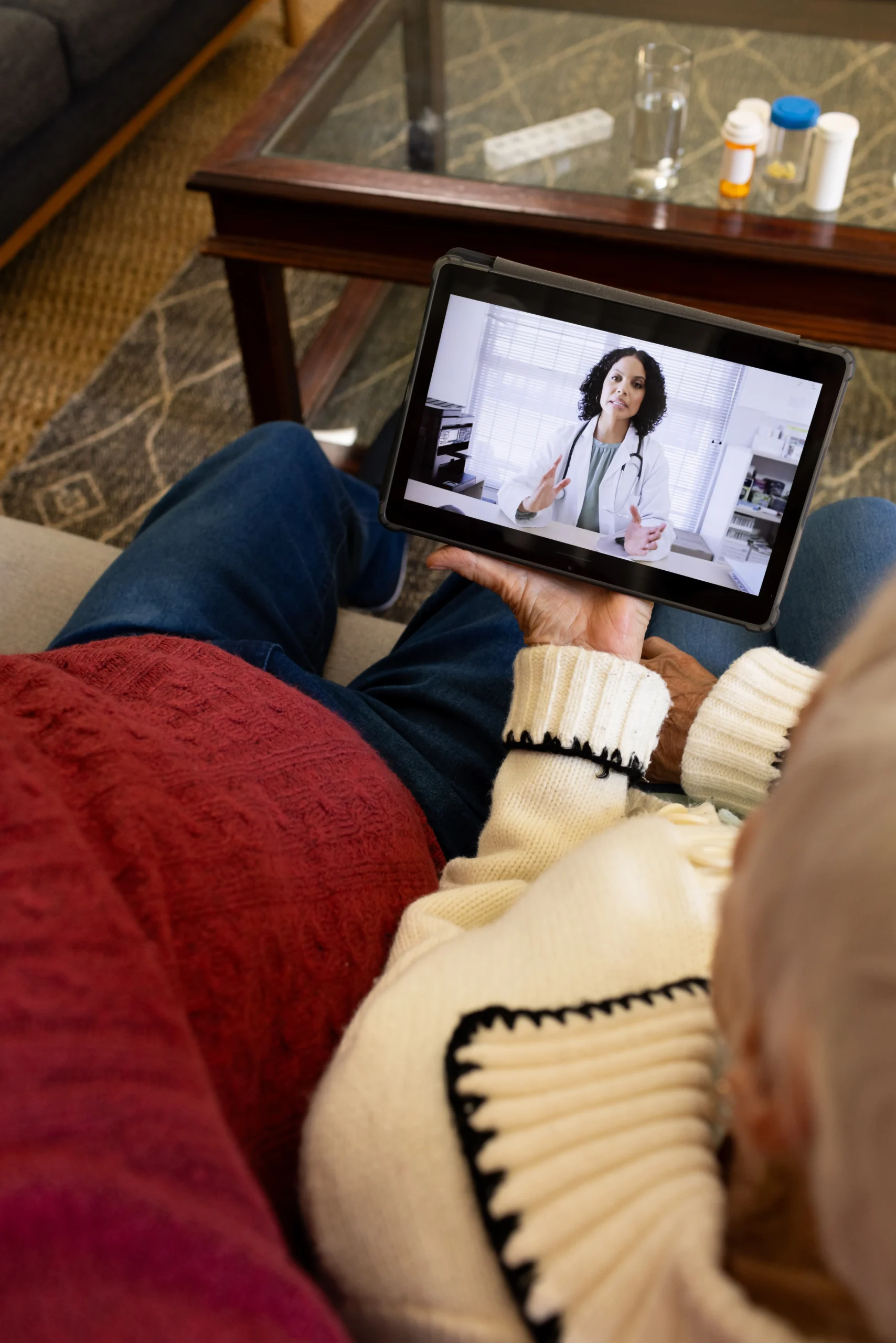
A telehealth PrEP provider may offer online intake, clinician review, laboratory coordination, prescription support, and ongoing monitoring. The exact process varies by provider and location.
Don’t skip testing because you feel healthy, assume PrEP protects against other STIs, or delay care after a potential HIV exposure. Instead, follow your prescribed prevention plan, keep testing appointments, and speak with a clinician whenever you are unsure.
In 2026, HIV prevention is about choosing practical tools that fit your life and using them consistently.

 Australia
 India
India Singapore
 United Kingdom
 Germany
 South Africa
 New Zealand
 Nigeria
 Canada
 France
 Spain
Spain Italy
Italy Ireland
 UAE
UAE