
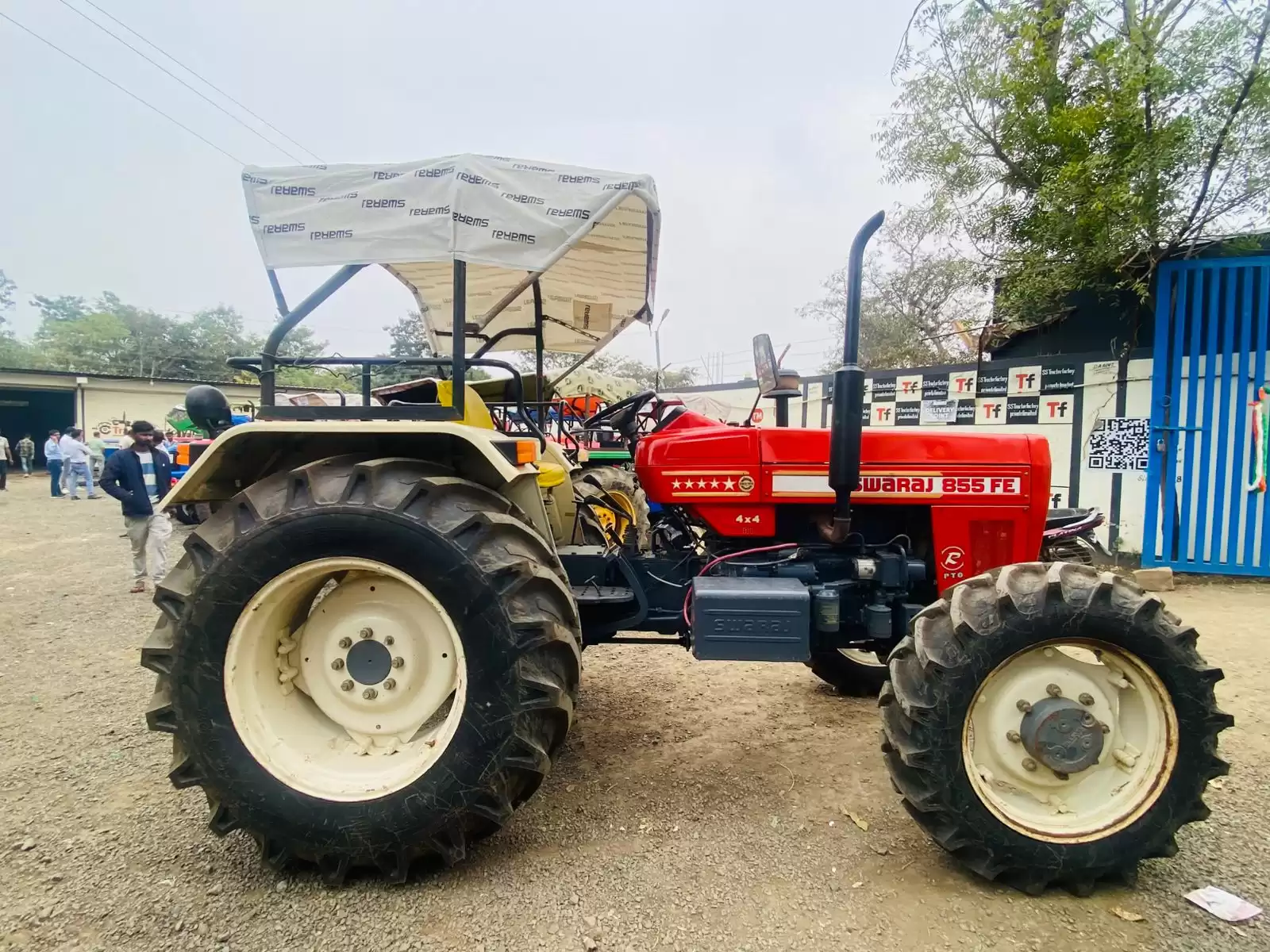
| Ad Type | I am offering |
Buying a second hand tractor is not a shortcut. It’s a decision made by people who know land, seasons, and money. I’ve spent years around farms where tractors were treated like family members, not machines. Some were new and shiny. Most were not. The ones that lasted? Usually the older, well-kept ones bought second hand.
A used tractor tells a story. You just need to know how to read it.
Farming is unpredictable. Rain doesn’t ask permission. Crops don’t wait for EMIs to finish. That’s why pouring all your capital into a brand-new tractor rarely feels comfortable.
A second hand tractor gives breathing room. Lower investment. Less pressure. If the tractor earns well, good. If a season goes bad, at least the loan doesn’t choke you.
I’ve seen farmers upgrade irrigation, seeds, even storage because they saved money on the tractor. That decision paid back faster than any new machine ever could.
People confuse age with condition. That’s a mistake.
A ten-year-old tractor with regular servicing will outperform a three-year-old machine that was abused. Engines don’t fail because of birthdays. They fail because of neglect.
The older tractors were built heavier. Less plastic. Thicker metal. Fewer sensors. You can hear them work. You can feel the pull in the soil.
If maintained properly, a second hand tractor still has years of honest labor left.
A test drive tells you more than any seller promise.
The clutch bite. The sound of the engine under load. Steering play. Brake response. These are things you don’t learn from photos.
When I test a used tractor, I drive it slow first. Then I push it a little. If the engine note changes sharply, something’s off. If it pulls smoothly without vibration, that’s a good sign.
Second hand tractors don’t hide their problems well. They speak. You just need to listen.
Price isn’t just about numbers on paper.
A new tractor loses value the moment it enters your farm. A second hand tractor? Most of the depreciation is already gone. What you buy today is close to what it will be worth in a few years.
Insurance costs less. Taxes are lighter. Spare parts are usually cheaper and easily available. Local mechanics know these machines inside out.
That savings stays in your pocket. Or gets invested back into the farm where it belongs.
Many people buy tractors bigger than they need. It looks powerful. Sounds impressive. But the fuel bill doesn’t care about looks.
With a second hand tractor, buyers tend to think practically. How much land? Which implements? How often will it run?
For ploughing small fields, a medium horsepower tractor does the job cleanly. For haulage, torque matters more than speed. For rotavators, balance is key.
Used tractor buyers usually get this right because they’re focused on function, not display.
Fresh paint can hide leaks. It can hide cracks. It can hide careless ownership.
I prefer tractors that look used but honest. Slight rust. Worn pedals. Faded stickers. These signs show real work, not cosmetic tricks.
Ask about oil change intervals. Clutch replacements. Hydraulic servicing. If the seller answers confidently without guessing, that’s a good sign.
A second hand tractor with clear maintenance history is gold.
One reason second hand tractors survive so long is spare parts.
Popular models have parts everywhere. Local workshops stock them. Even roadside mechanics can handle repairs. That keeps downtime low.
Electronic-heavy tractors, even newer ones, can sit idle for weeks waiting for a sensor or module. Older mechanical machines rarely have that issue.
When harvest season hits, reliability matters more than features.
Most farmers don’t talk about resale, but they think about it.
A good second hand tractor holds its value. If you decide to upgrade later, you can sell it without heavy loss. Sometimes at nearly the same price you paid.
That flexibility matters. Life changes. Land holdings change. Equipment needs change.
Second hand tractors allow movement without financial damage.
Earlier, used tractors meant cash-only deals. That’s changed.
Today, many dealers and platforms offer finance options even on second hand tractors. Documentation is simpler than before. Transfer processes are smoother.
Insurance renewal is straightforward. Registration updates don’t take months anymore.
The system has matured because demand is real and growing.
This might surprise some people.
Many older tractors deliver consistent fuel efficiency because they run at stable RPMs without unnecessary electronics. No sudden spikes. No confused sensors.
If tuned well, a second hand tractor can be easier on diesel than a newer model overloaded with features you don’t need.
On a farm, steady performance beats fancy dashboards every time.
The biggest mistake is rushing.
Some buyers fall for low prices without inspection. Others trust words instead of testing. Some skip paperwork thinking it’s a small detail.
Never ignore engine number matching. Never skip hydraulic testing. Never assume tyres don’t matter. They do. Replacing tyres is expensive.
A second hand tractor rewards patience. It punishes shortcuts.
Anyone can post photos. Not everyone can answer hard questions.
A good seller allows inspection. Encourages test drives. Doesn’t avoid questions. They don’t oversell. They explain clearly.
If someone pressures you to close quickly, step back. Good tractors don’t need forceful selling.
Trust your instinct. Farmers develop it for a reason.
Large farms can absorb mistakes. Small farms cannot.
That’s why second hand tractors are a backbone for marginal and medium farmers. Lower risk. Faster recovery. Easier ownership.
One machine doing ploughing, sowing, hauling, and occasional PTO work. That versatility is what makes used tractors valuable.
They are not compromises. They are tools chosen wisely.
There’s a different satisfaction in running a machine that’s already proven itself.
You don’t worry about the first scratch. You don’t panic over minor noises. You understand its behavior. It becomes part of the routine.
Many farmers say their second hand tractor feels more dependable than the new one they bought later. That says a lot.
Experience teaches respect for machines that earn quietly.
Demand is rising. Awareness is better. Platforms are improving transparency. Inspections are becoming standard.
People are realizing that smart farming isn’t about owning the newest equipment. It’s about choosing equipment that works, lasts, and pays back.
Second hand tractors fit that mindset perfectly.
If you’re expecting perfection, buy new. If you want performance, reliability, and control over your finances, look at second hand tractors seriously.
Inspect carefully. Ask questions. Take your time.
A good second hand tractors won’t impress your neighbors on day one. But season after season, when it starts every morning and pulls without complaint, you’ll know you made the right choice.
And on a farm, that quiet confidence matters more than anything else.

 Australia
 Singapore
 United Kingdom
 United States
 Germany
 South Africa
 New Zealand
 Nigeria
 Canada
 France
 Spain
Spain Italy
Italy Ireland
 UAE
UAE