
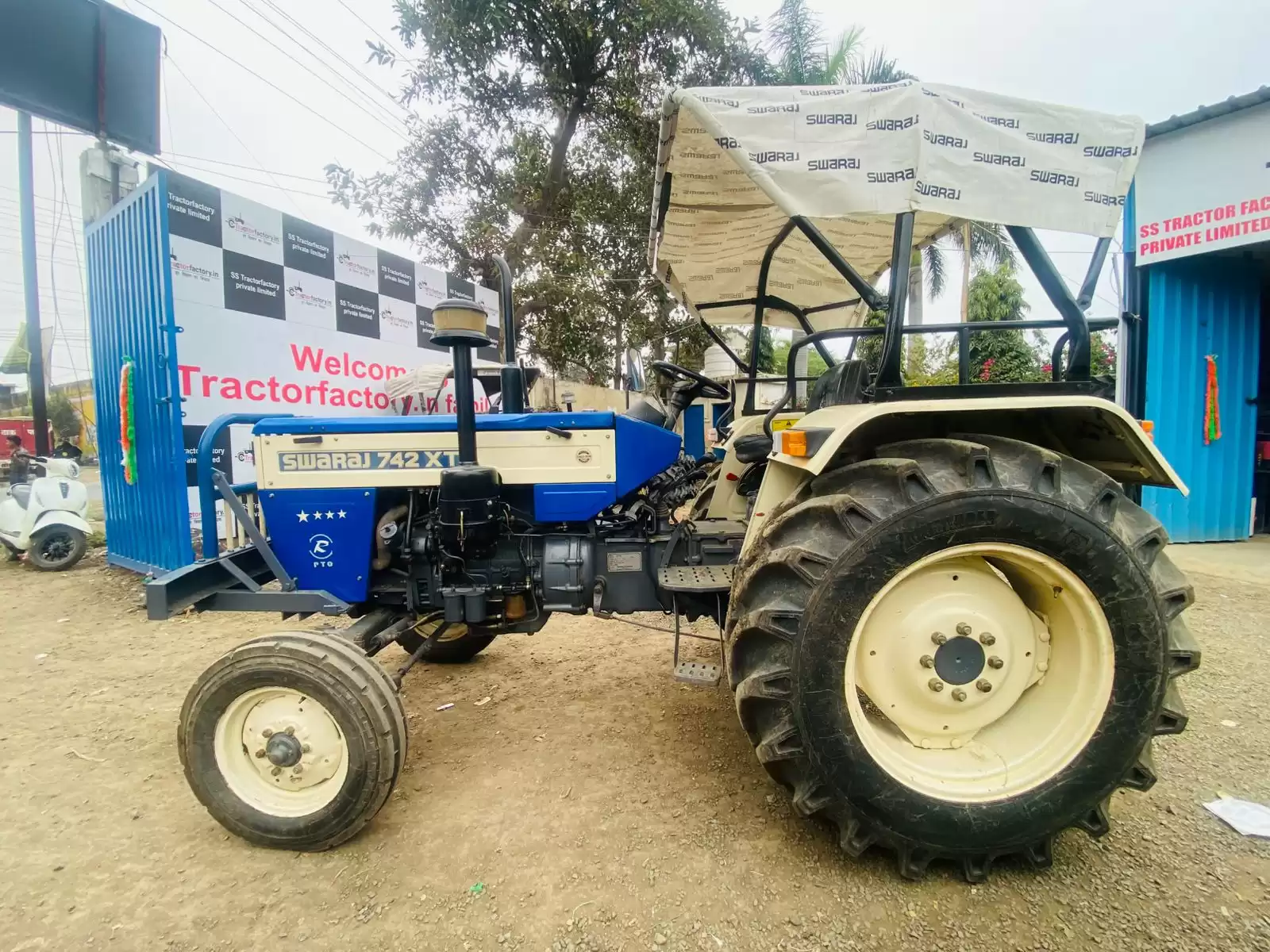
| Ad Type | I am offering |
The First Time You Trust an Old Tractor
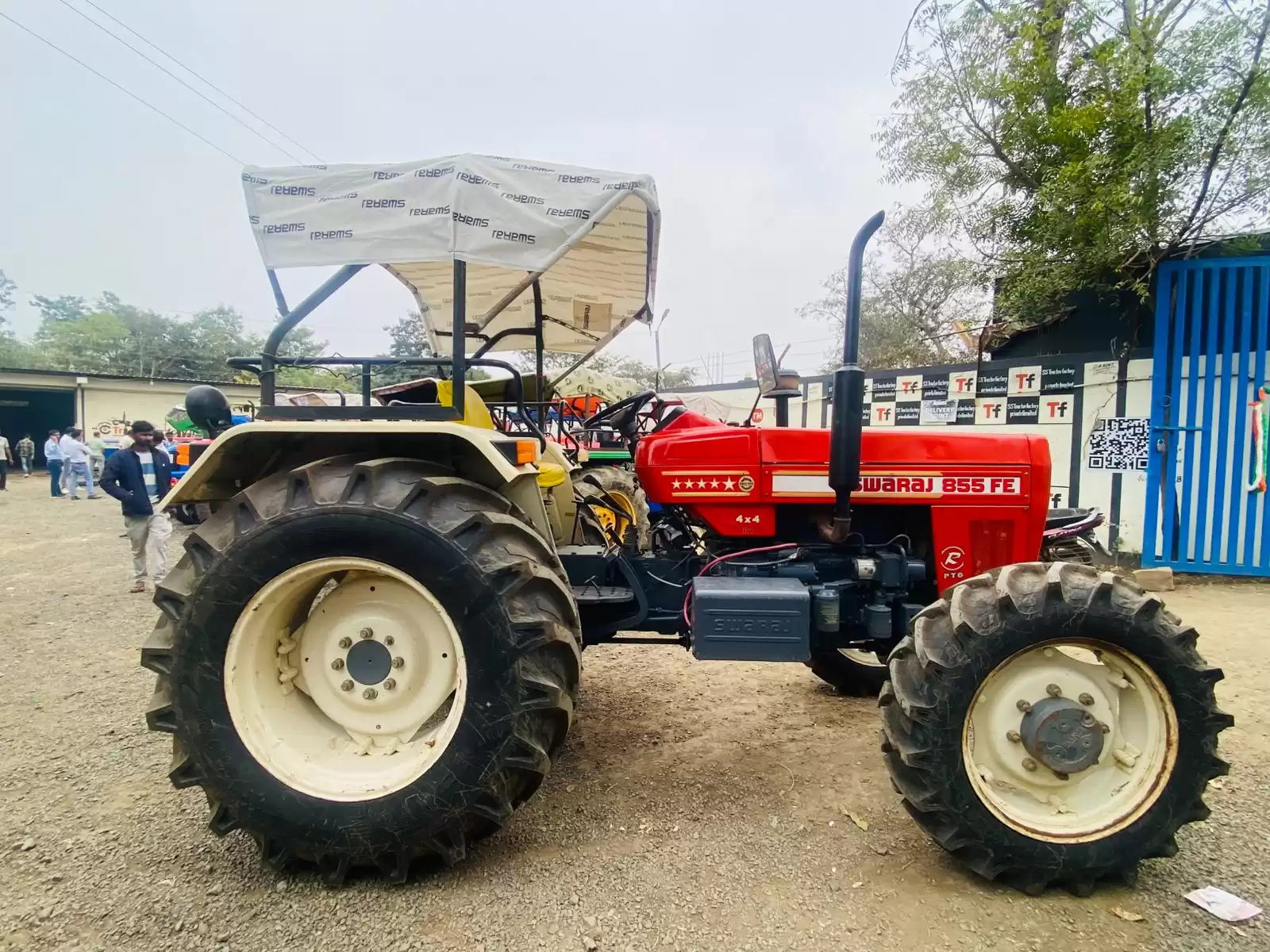
An old tractors doesn’t impress you at first glance. Paint is faded. The seat foam might be torn. There’s a smell of diesel that newer machines don’t have anymore. But when you turn the key and it starts without drama, something changes. You realize this machine has already seen seasons you haven’t. It’s been stuck in mud, baked in summer heat, and still shows up to work. Old tractors earn trust slowly, one job at a time, not through brochures or shiny dashboards.
Why Old Tractors Still Work When New Ones Quit
Modern machines are smart, fast, and comfortable. No doubt. But old tractors are honest. Fewer sensors. Less wiring. When something breaks, you usually hear it before it fails completely. A strange knock. A harder gear shift. You fix it early and move on. That simplicity is why many farmers keep an old tractor even after buying a new one. It’s not nostalgia. It’s reliability that doesn’t depend on electronics behaving.
Power Isn’t Always About Horsepower Numbers
On paper, old tractors look weak. Lower horsepower. Slower hydraulics. No fancy modes. In real fields, they pull more than expected. Torque delivery feels steady, not jumpy. You can hear the engine working, feel the load, and adjust your pace naturally. That connection matters when ploughing heavy soil or hauling a loaded trolley. Old tractors don’t rush. They grind through work patiently.
The Real Cost Advantage No One Talks About
Buying an old tractor isn’t just cheaper at the start. The real savings show up later. Spare parts are widely available. Local mechanics understand these machines deeply. You don’t wait for diagnostic tools or software updates. A clutch replacement, injector service, or pump repair costs a fraction compared to newer models. Over ten years, the money saved can fund tools, implements, or even another tractor.
Comfort Is Different, Not Missing
People say old tractors are uncomfortable. That’s half true. They don’t isolate you from the field. You feel bumps. You hear the engine. Dust finds its way in. But there’s a strange comfort in that honesty. You know exactly what the machine is doing. After a while, your body adjusts. Many operators feel more in control, not less. Comfort isn’t always silence and screens. Sometimes it’s familiarity.
Learning Farming the Hard Way, the Right Way
Old tractors teach discipline. No shortcuts. You learn clutch control properly. You respect gear selection. You listen to engine notes instead of watching displays. New farmers who start on older machines often become better operators overall. They understand limits. They feel loads. That experience carries forward, even when they later upgrade.
Maintenance Becomes a Relationship
With an old tractor, maintenance isn’t a schedule. It’s a habit. Checking oil before starting. Tightening bolts you know will loosen. Greasing joints that newer machines hide behind panels. Over time, you recognize patterns. You know when it wants service. That relationship reduces breakdowns and builds confidence. The tractor stops being “equipment” and starts feeling like a working partner.
Old Tractors in Small Farms and Tough Terrains
In small farms, orchards, and uneven land, old tractors shine. Their compact builds fit narrow paths. Weight distribution often feels better on loose soil. They’re easier to repair in remote areas where service centers are far away. When a machine must work daily without backup, simplicity wins.
Resale Value That Refuses to Drop
Old tractors don’t lose value the way new ones do. Once depreciation settles, prices remain stable for years. A well-maintained machine can be sold later with minimal loss. Sometimes even profit, especially when demand rises during peak farming seasons. That makes old tractors a safer investment than many realize.
Environmental Sense Without the Buzzwords
Keeping an old tractor running is, in its own way, sustainable. Manufacturing a new machine consumes resources. Extending the life of an existing one reduces waste. Old tractors don’t claim to be green. They simply continue doing what they were built for. Work.
When an Old Tractor Makes More Sense Than a New One
If your work is steady, predictable, and doesn’t require precision tech, an old tractor fits perfectly. Ploughing, tilling, hauling, leveling. These jobs haven’t changed much in decades. You don’t need screens to do them well. You need traction, torque, and trust.
Choosing the Right Old Tractor Matters
Not all old tractors are equal. Look for smooth engine sound, clean exhaust, responsive clutch, and firm steering. Cosmetic wear is fine. Mechanical neglect is not. A tractor that’s been used regularly is often better than one that’s sat idle for years. Machines like to work. It keeps them alive.
Living With the Imperfections
Old tractors leak sometimes. They vibrate. Lights may flicker. You learn to live with it. Those imperfections don’t stop the job. In fact, they remind you that farming itself isn’t perfect. Weather changes. Soil varies. Machines adapt. Old tractors fit that reality better than anything polished.
Why Many Farmers Never Let Go
Ask experienced farmers why they keep an old tractor even after upgrading. The answer is usually simple. “It never lets me down.” That loyalty isn’t emotional. It’s practical. When time is tight and work must be done, the machine you trust most is the one you turn to first.
Final Thoughts from the Field
Old tractors aren’t outdated. They’re proven. They carry marks of work, not neglect. For farmers who value function over flash, control over convenience, and long-term sense over trends, old tractors remain relevant. They don’t ask for attention. They ask for fuel, care, and respect. In return, they keep working. Year after year. Season after season.
https://padlet.com/infotractorfactory/old-tractors-gdh1onrd2mmhic9t/wish/lkDVaK6wMkxwWPp9
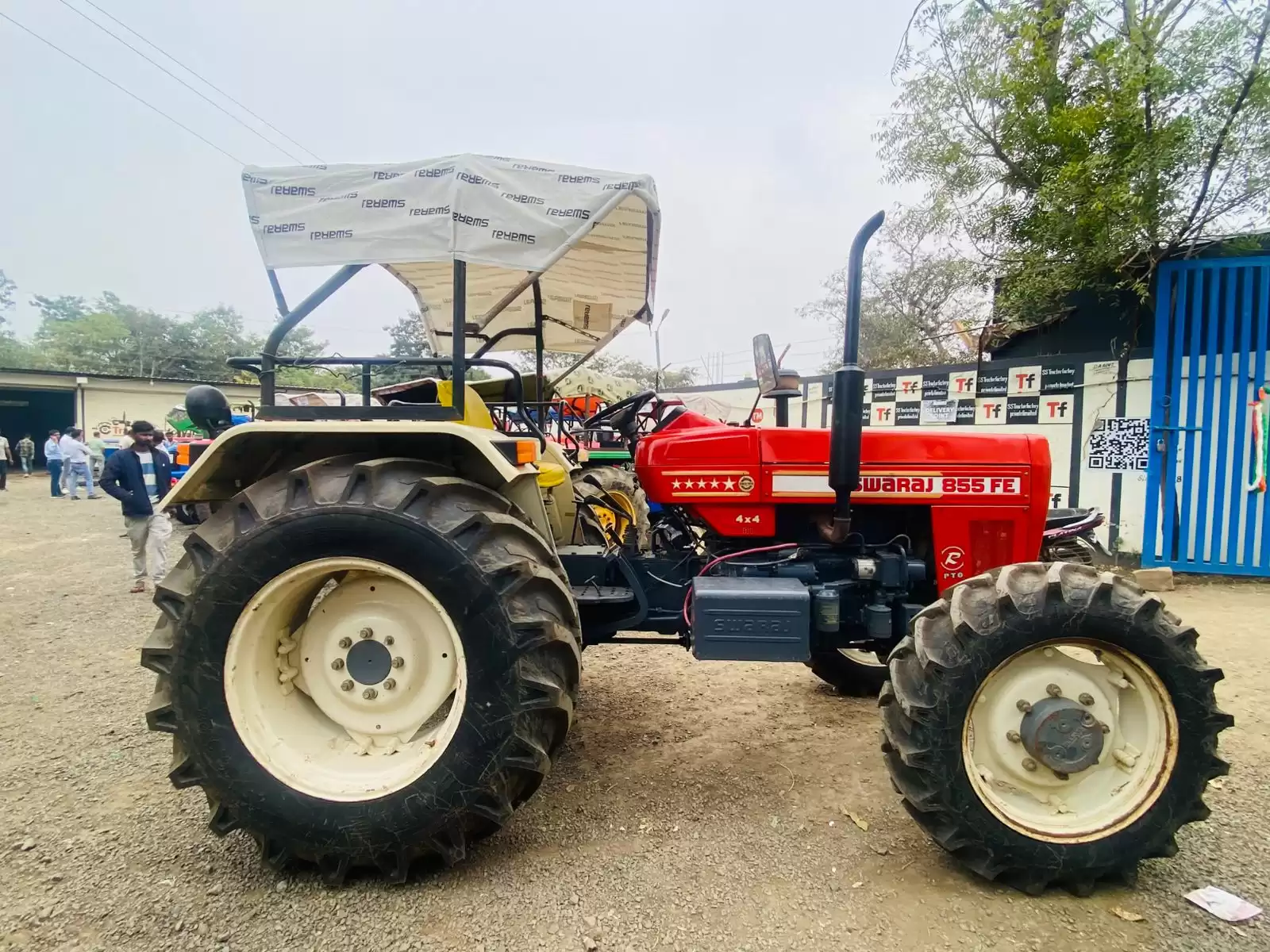
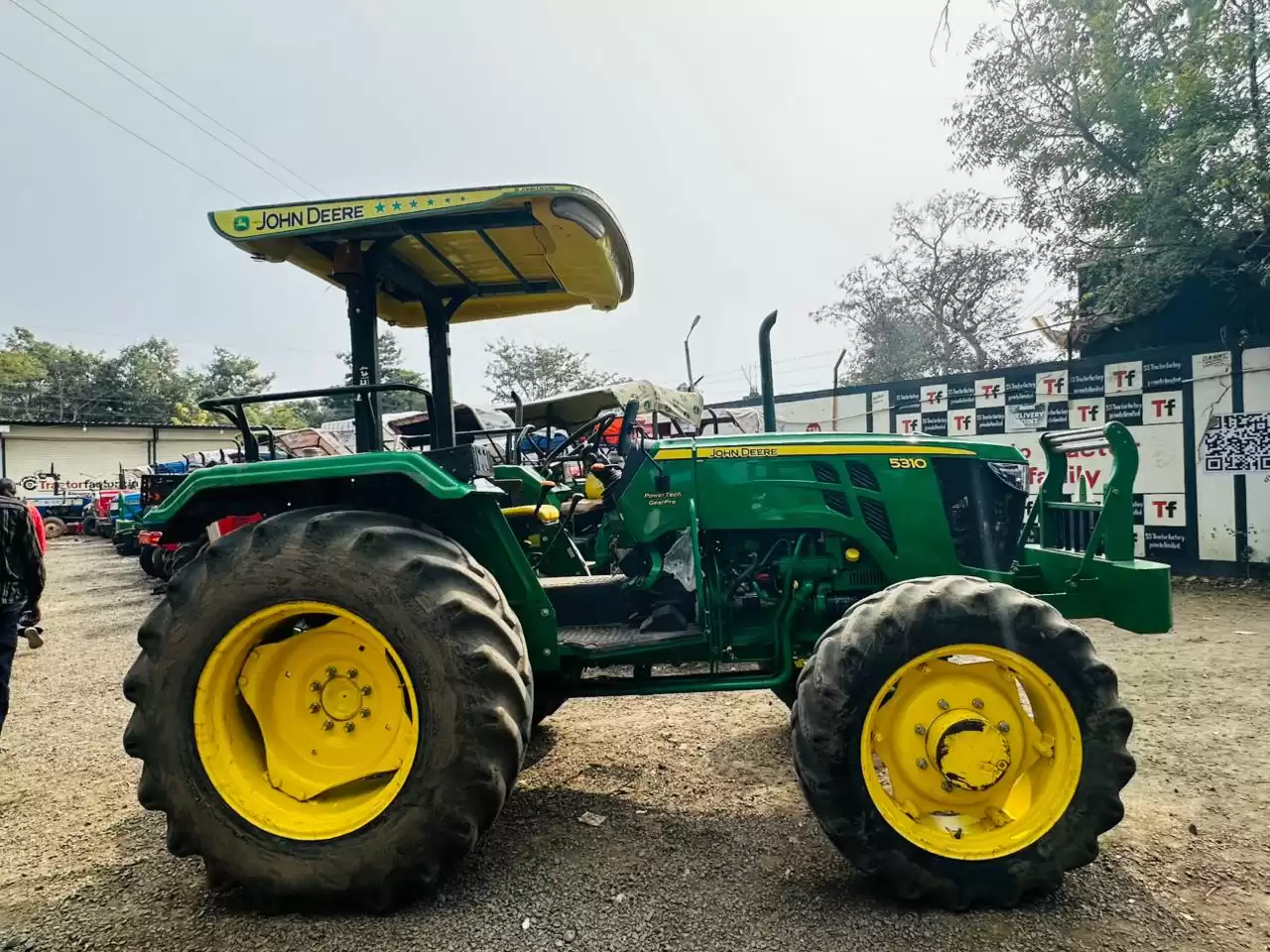
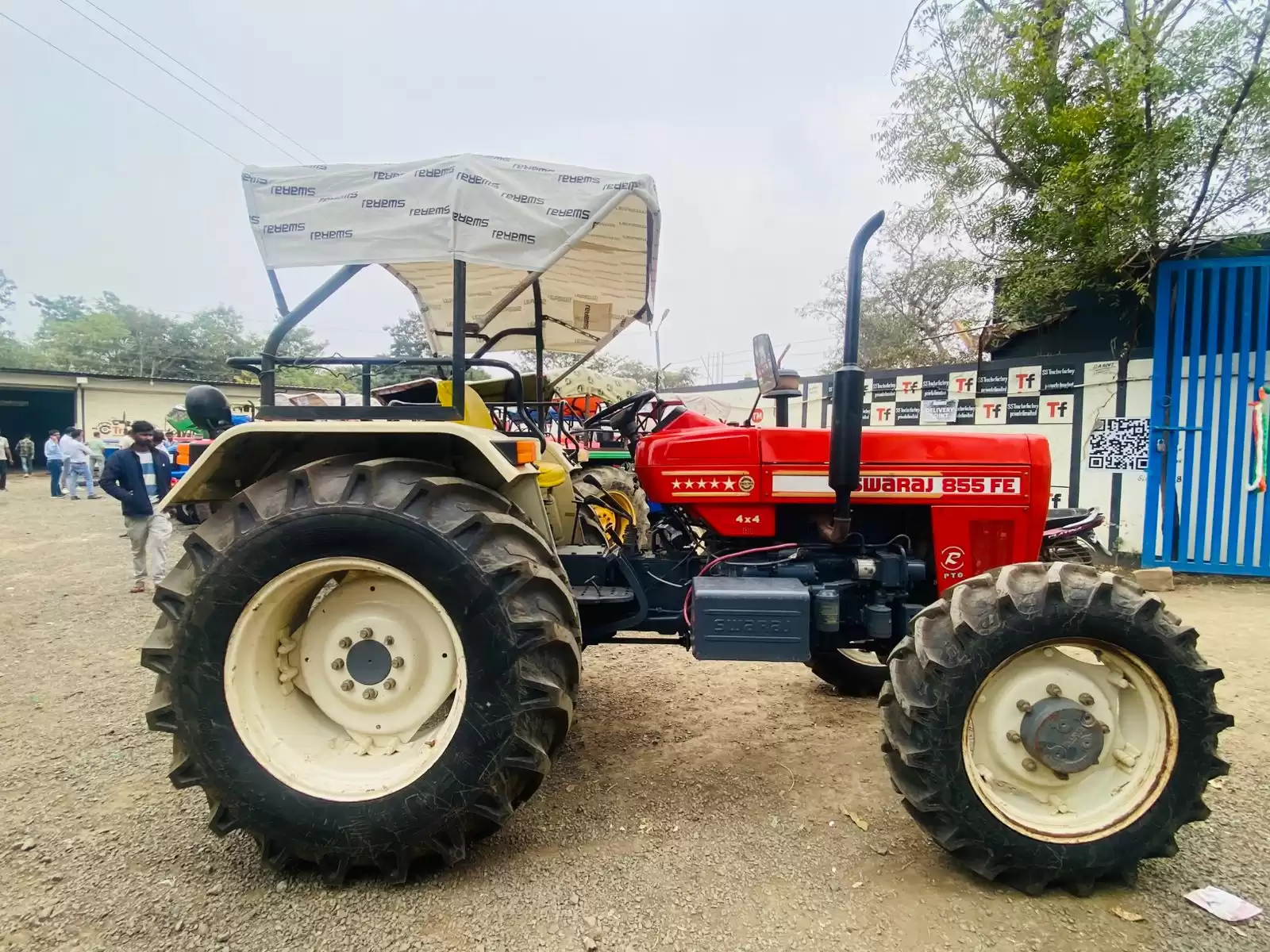

 Australia
 Singapore
 United Kingdom
 United States
 Germany
 South Africa
 New Zealand
 Nigeria
 Canada
 France
 Spain
Spain Italy
Italy Ireland
 UAE
UAE