
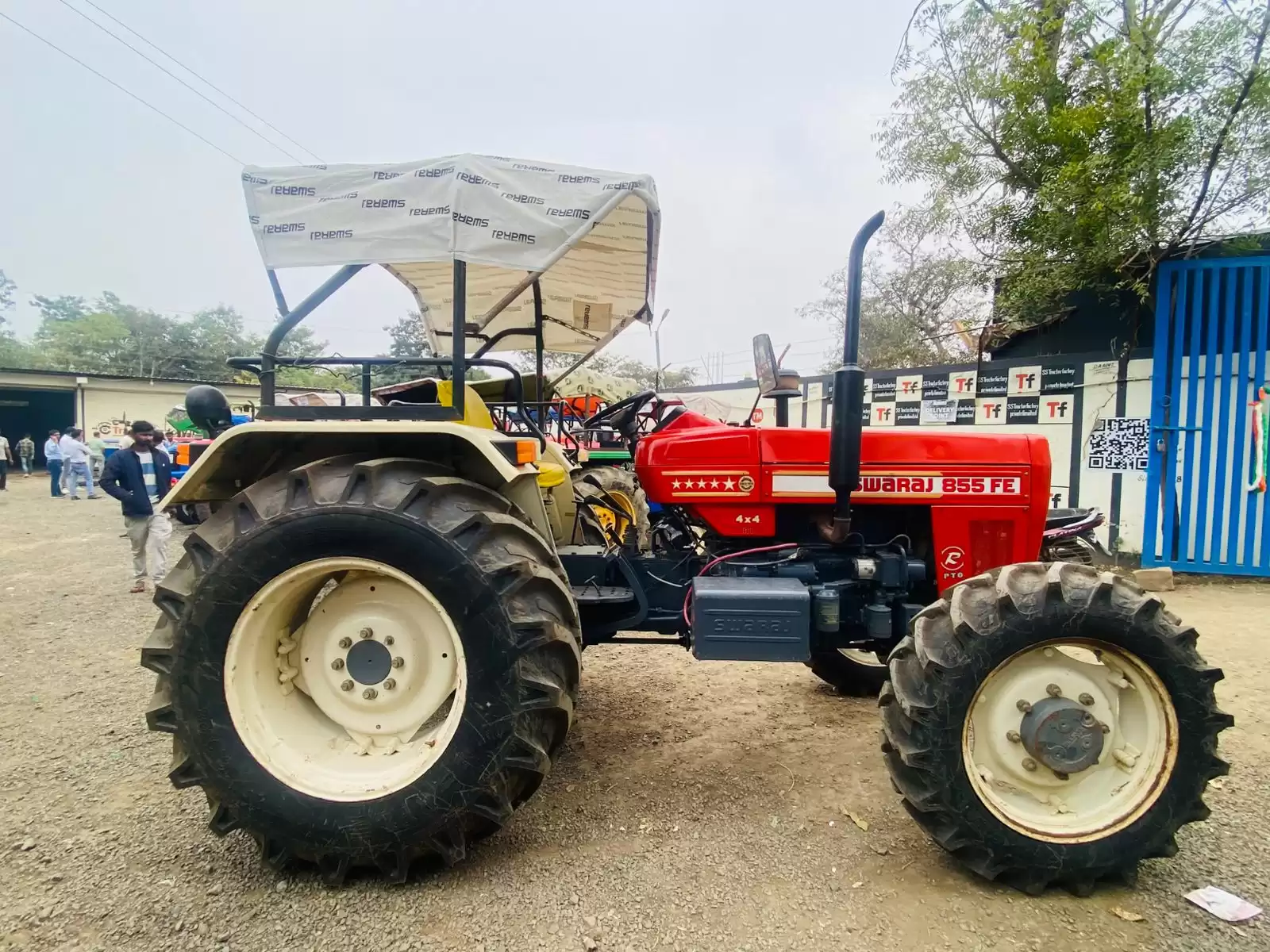
| Ad Type | I am offering |
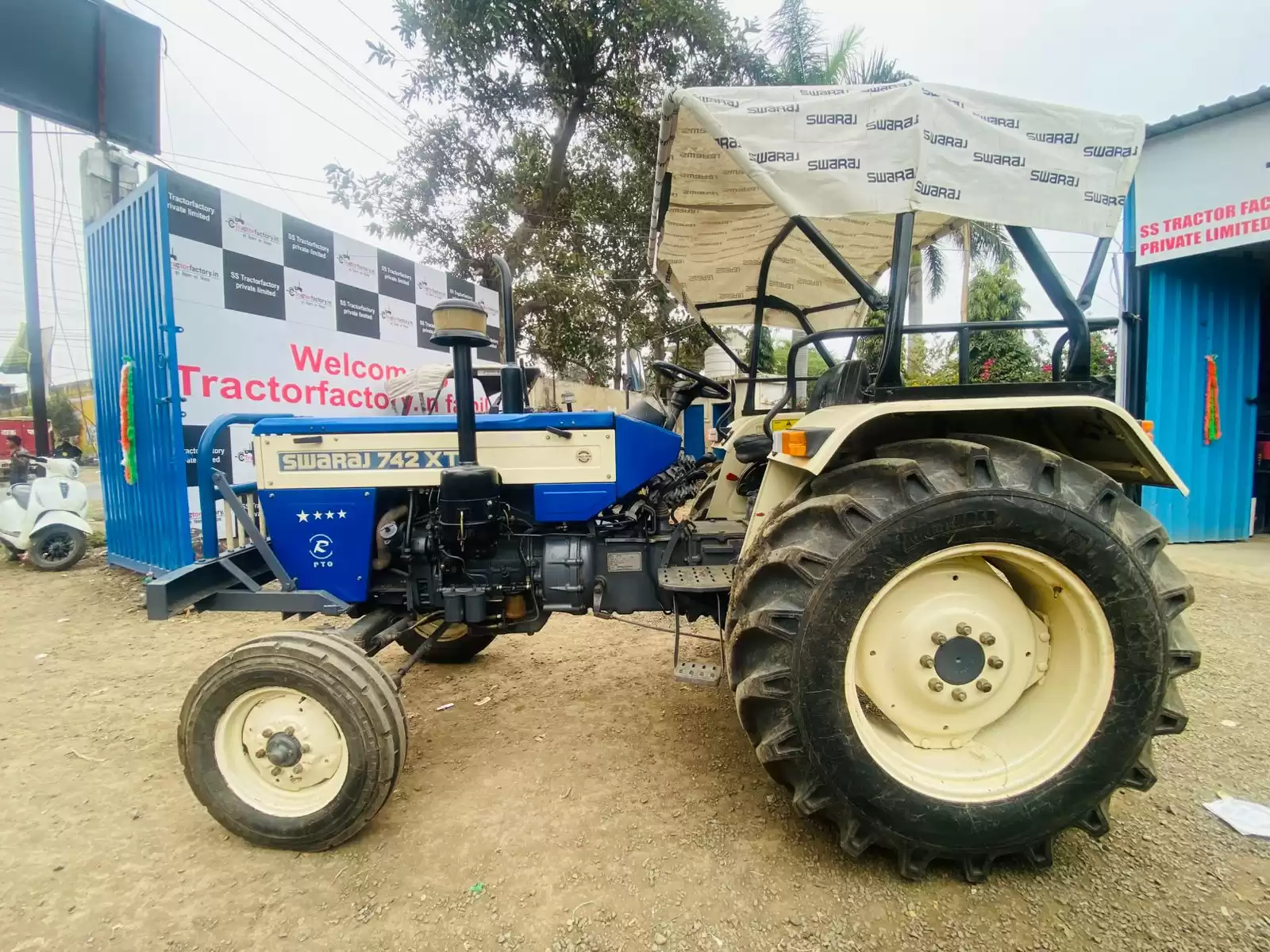
Anyone who has actually spent time around farms knows this truth. A second hand tractor isn’t a compromise. It’s a decision. One that can work beautifully or turn into a slow-burning regret if you don’t know what you’re looking at.
I’ve driven tractors that were older than me and still pulled clean through wet soil. I’ve also seen shiny repaint jobs hide engines that were already tired. Experience teaches you to listen, not just look. A used tractor speaks in sounds, vibration, smoke, and the way it settles into load. If you learn that language, second hand becomes smart money.
New tractors look impressive on paper. Features, warranties, polished metal. But on real land, things feel different. The price gap alone can change a season’s plan. With the same budget, a farmer can either stretch thin for a new model or buy a solid used tractor and still have money left for implements, diesel, and repairs.
There’s also comfort in familiarity. Many older tractors were simpler. Fewer sensors. Less electronics. If something goes wrong, the local mechanic can usually fix it without plugging in a laptop. That matters when work can’t wait.
A cheap tractor isn’t always affordable. And an expensive one isn’t always reliable. Value sits somewhere in between.
Look at hours, but don’t worship the meter. Some tractors work light jobs their whole life. Others are abused young. Maintenance history matters more than age. A tractor with regular oil changes and sensible operation can outlive a newer one that was pushed hard.
Check for leaks, yes. But also check how the owner talks about the machine. Pride often reflects care.
Cold start matters. Always. A healthy engine starts without drama. Excessive cranking, uneven idle, or heavy smoke are signs you shouldn’t ignore.
Listen for knocking sounds under load. Feel how the tractor responds when throttle increases. A strong engine doesn’t hesitate. It pulls steadily, without strain. Worn engines feel lazy. They breathe heavy.
And don’t rush this part. Five quiet minutes of listening can save years of frustration.
Engines get attention. Gearboxes often don’t. That’s a mistake.
Shift through all gears. Slowly. Then under movement. Grinding, slipping, or resistance is a warning. Clutch engagement should feel predictable, not sudden or spongy. Repairs here are expensive and time-consuming.
If the tractor has shuttle or synchro gears, test them properly. Small issues grow fast once fieldwork begins.
Hydraulics decide how useful the tractor really is. Lift capacity is one thing. Smooth response is another.
Raise and lower implements. Watch for jerks. Listen for pump noise. A weak hydraulic system struggles quietly at first, then fails loudly when you need it most. Remote valves should engage cleanly. Leaks around hoses and couplings often hint at neglect.
Good hydraulics make work easier. Bad ones turn simple tasks into daily irritation.
Steering should be tight but not stiff. Excess play means wear, sometimes deep in the system. Power steering pumps that whine usually don’t get better with time.
Brakes should stop evenly. Pulling to one side suggests uneven wear or oil contamination. Both cost money.
Also notice how the tractor sits. Uneven tire wear or sagging suspension parts often mean heavy, uneven loading over years.
Fresh paint can lie. Tyres rarely do.
Cracked sidewalls, mismatched pairs, or uneven tread tell a story of shortcuts. Good tyres are expensive, and replacing all four can change the deal completely. Sometimes worn tyres are acceptable. Sometimes they are a reason to walk away.
Look closely. Farmers often forget to factor tyre cost until it’s too late.
This part gets emotional for many buyers. Bigger feels better. More horsepower sounds impressive.
But the right tractor matches your land, not your ego. Orchard work needs maneuverability. Tillage needs torque. Transport needs stability. Buying more machine than you need increases fuel use and repair costs without real benefit.
A second hand tractor should fit your work like a familiar tool, not a showpiece.
A tractor without parts support is a gamble. Even the strongest machine will need seals, filters, and wear parts.
Before buying, ask local mechanics what they service regularly. If parts take weeks to arrive, downtime will hurt more than any initial savings. A common model often beats a rare one, even if the rare tractor looks better.
This is practical thinking, not compromise.
Both have pros and cons. Farmers often know their machine intimately. They’ll tell you its habits, its quirks, and sometimes its flaws. Dealers offer inspection, paperwork support, and sometimes short warranties.
Trust comes from transparency. Avoid sellers who rush you or dodge simple questions. A good used tractor sale feels calm, not pressured.
Serial numbers should match documents. Registration details matter, especially for road use. Loan clearance is essential.
These details feel boring until they aren’t. Sorting paperwork later is harder than checking it early. Take photos. Ask questions. Don’t assume.
Change fluids. Replace filters. Grease everything. Even if the seller says it was done recently, do it again. This baseline gives peace of mind and helps you understand the machine better.
Fuel Efficiency Feels Different on Older Machines
Older tractors often consume more fuel, but not always inefficiently. Many deliver steady power without high RPMs. Real-world fuel use depends on load, gearing, and operator habits.
A well-matched used tractor can be surprisingly economical if driven thoughtfully.
Good used tractors hold value. Sometimes better than new ones. Depreciation slows after a point.
If you buy smart and maintain properly, you may recover much of your investment later. That flexibility matters, especially for growing farms or changing needs.
Skipping a test drive. Trusting cosmetic work. Ignoring hydraulics. Overbuying horsepower. Forgetting parts availability.
These aren’t beginner errors. Even experienced farmers fall into them when emotions take over. Slow decisions usually age better.
Farming isn’t about having the newest machine. It’s about reliability at the moment you need it. Rain doesn’t wait. Crops don’t pause.
A dependable second hand tractor, chosen carefully, becomes part of your routine. You learn its sound. Its rhythm. Its limits. That familiarity builds confidence.
And confidence, more than shine or branding, is what gets work done.
A second hand tractors should feel honest. No surprises. No drama. Just steady work, day after day.
When you find the right one, you’ll know. It won’t shout for attention. It will simply do the job. And in farming, that quiet reliability is worth more than anything new.
https://padlet.com/infotractorfactory/old-tractors-gdh1onrd2mmhic9t/wish/YBl3Z2dARrE7av16
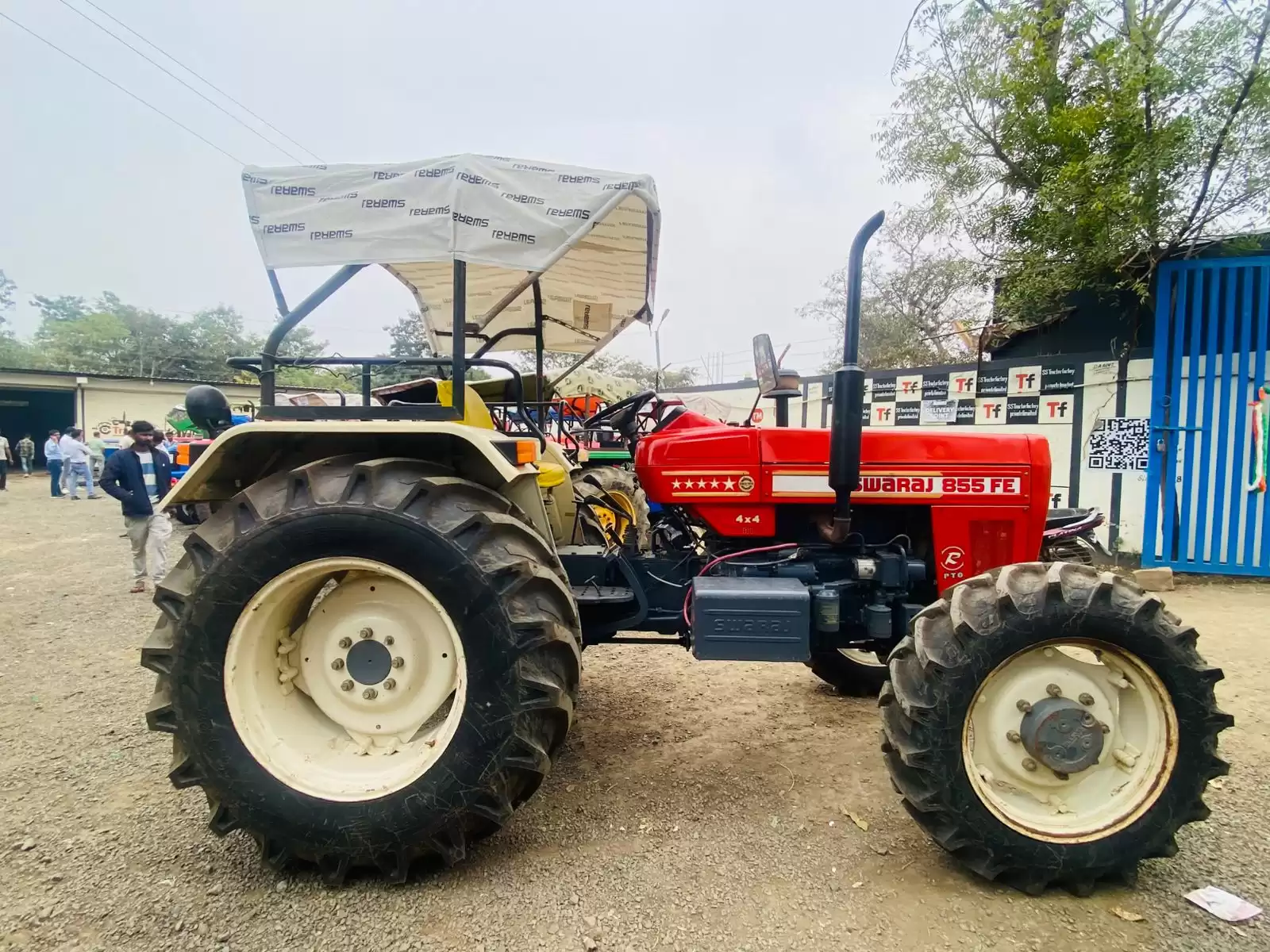
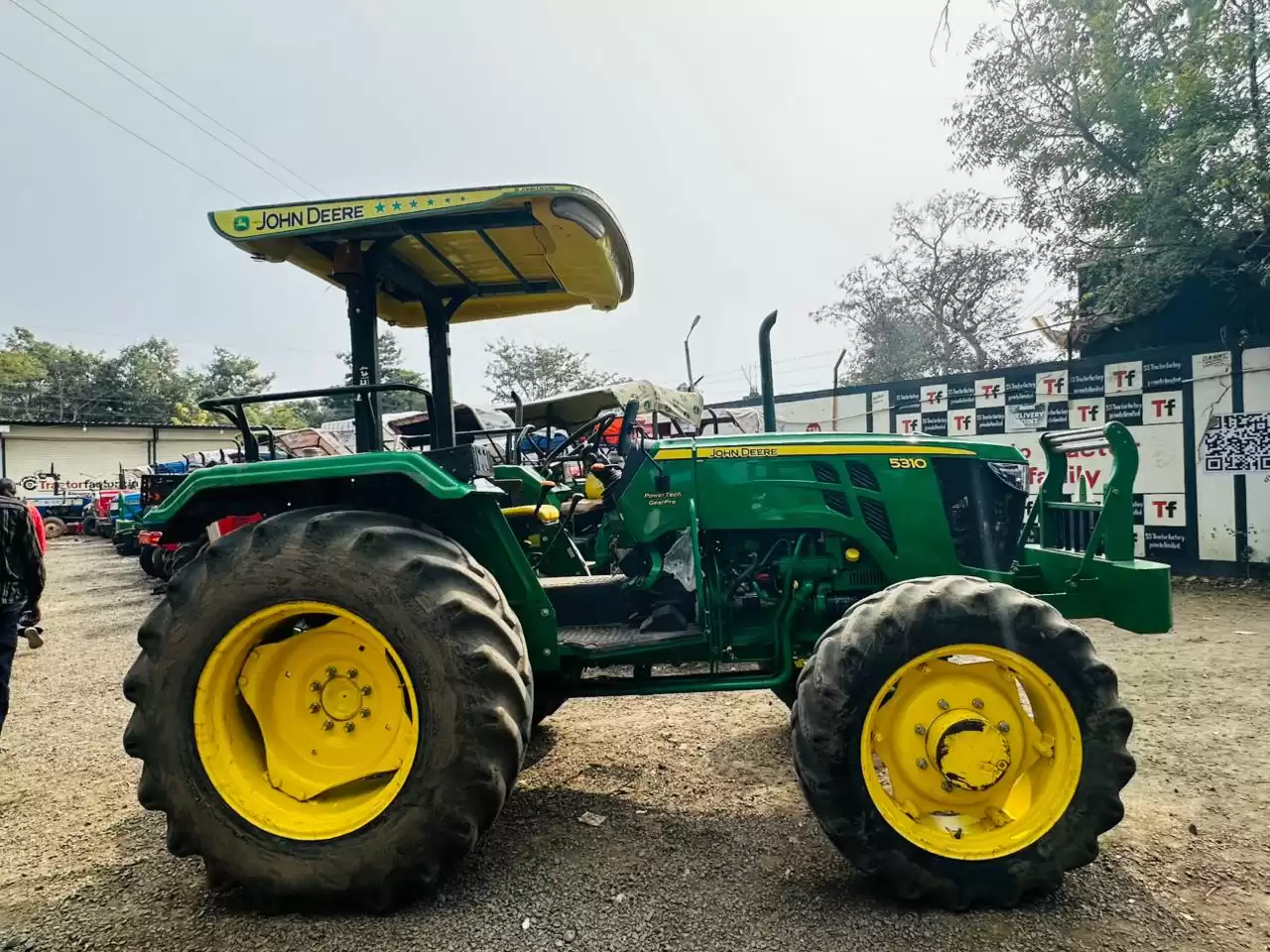
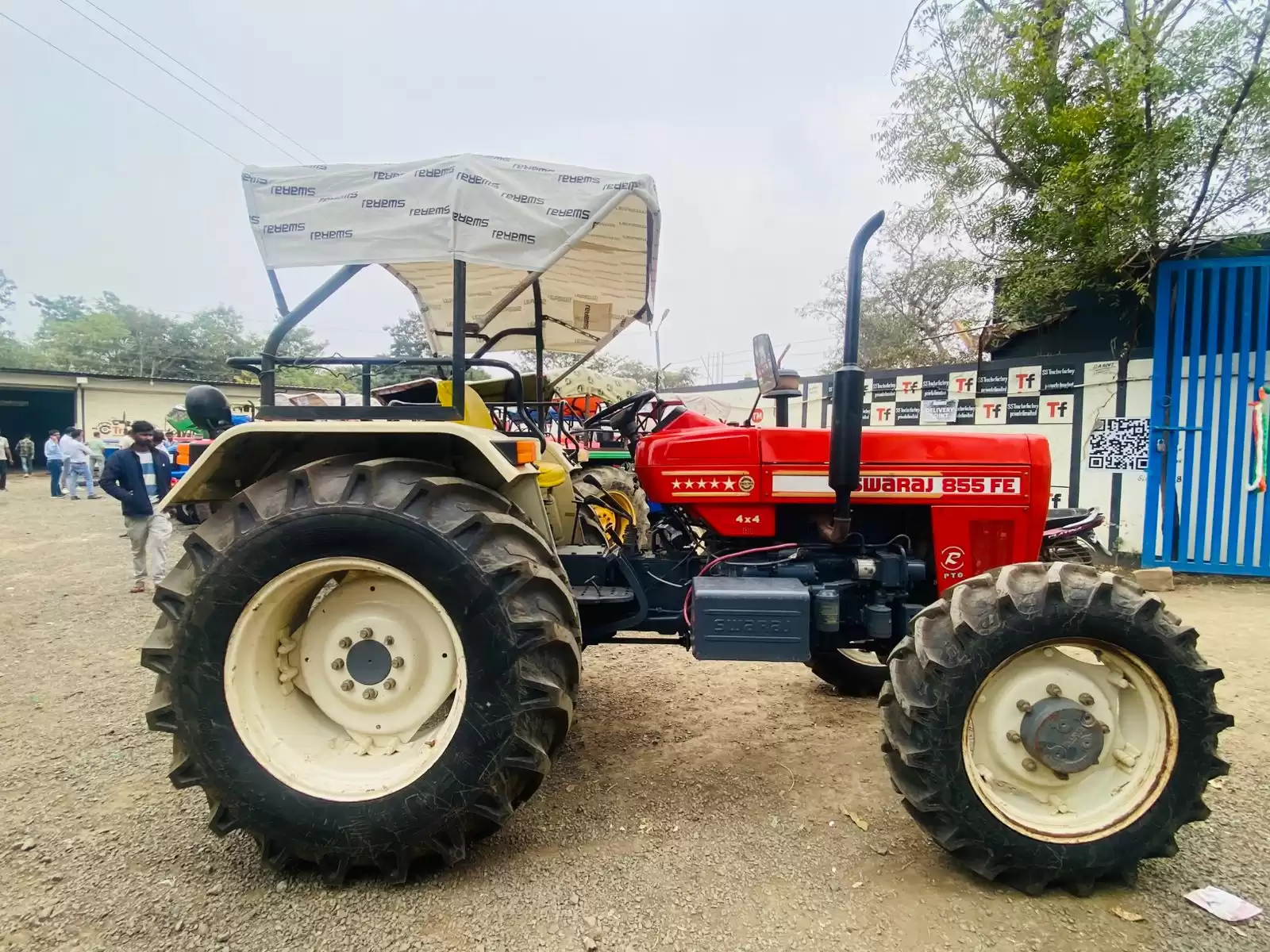

 Australia
 Singapore
 United Kingdom
 United States
 Germany
 South Africa
 New Zealand
 Nigeria
 Canada
 France
 Spain
Spain Italy
Italy Ireland
 UAE
UAE