
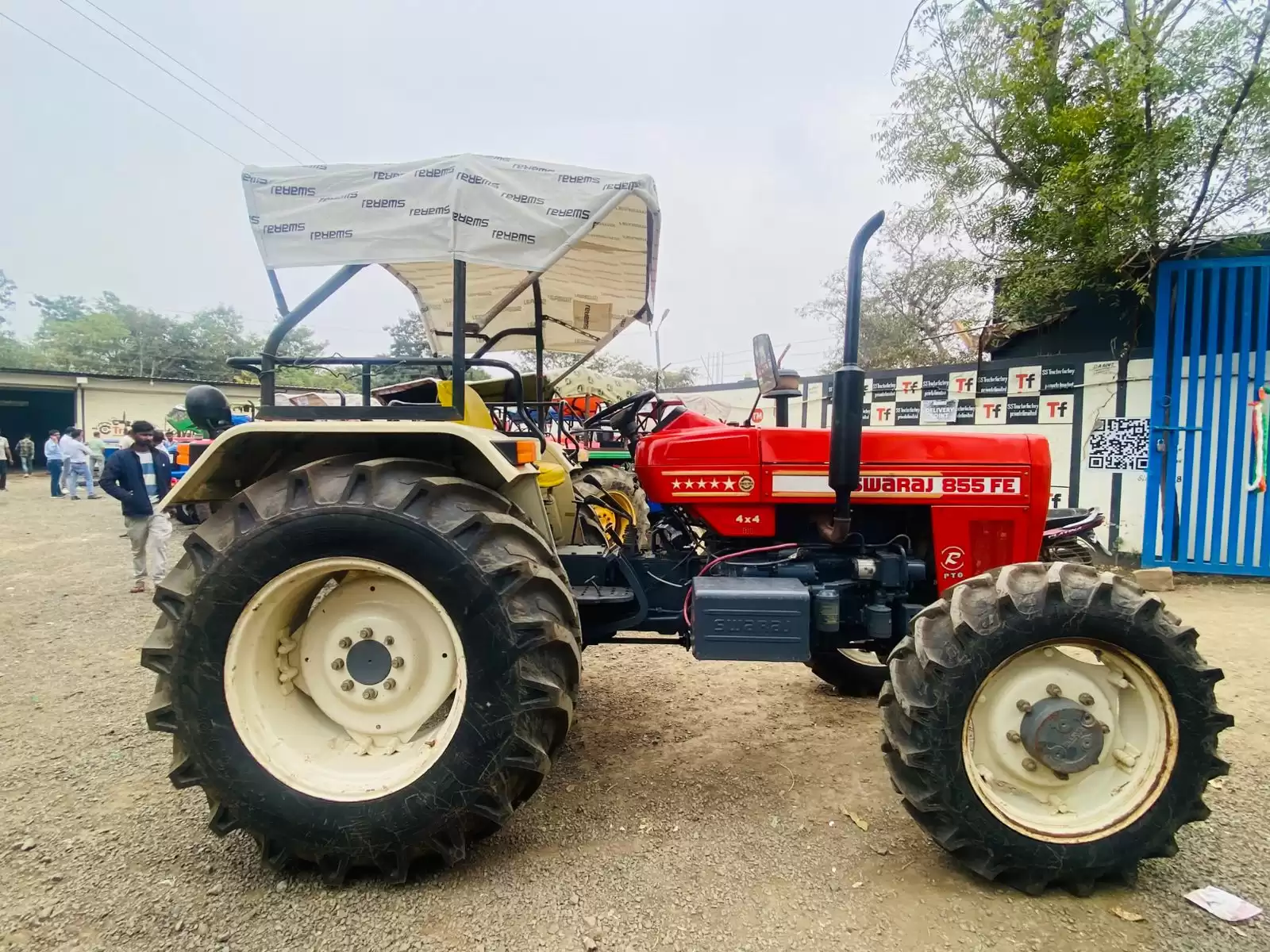
| Ad Type | I am offering |
I’ve spent enough early mornings around farms to know this truth: a tractor earns respect by working, not by shining. A used tractor already has its story written in grease stains and faded paint. That’s not a weakness. It’s proof it has done real work.
New tractors look impressive, sure. But the price can sit heavy on your chest. A used tractor lets you put money where it actually matters—implements, fuel, repairs you choose on your terms. For many farmers, especially those running small or mid-size land, buying used is not a compromise. It’s a smart decision born from experience.
Not every scratch is a problem. Some are just honest marks of work. The trick is knowing the difference.
A slightly loose seat, faded decals, a stiff lever that loosens after warm-up—these things are normal. But blue smoke that doesn’t settle, metal knocking sounds, or oil mixing where it shouldn’t? Those are signs to step back.
I always tell people to watch the tractor when it’s cold. Anyone can make a warm engine behave. Cold starts reveal character.
A good diesel engine doesn’t suddenly fail. It talks to you long before that. Slow cranking. Uneven idle. Loss of pulling strength. These are warnings, not surprises.
Used tractors with regular oil changes often run for decades. I’ve seen engines older than the farmers driving them, still pulling ploughs without complaint. Records help, but sound and feel help more. Sit on the seat. Rev it gently. Listen. A healthy engine sounds calm, not angry.
People often overlook this. Big mistake.
A tractor transmission should shift with confidence, not hesitation. Grinding gears, delayed engagement, or sudden jerks under load can turn daily work into daily frustration. Repairs here aren’t cheap.
Drive it in every gear. Yes, even the slow ones. A used tractor should feel predictable, not nervous.
Hydraulics are like the nervous system of a tractor. Weak lift arms, slow response, or jerky movement usually mean neglect.
Hook something heavy if possible. Watch how the arms lift and hold. A healthy hydraulic system doesn’t struggle or drift down once raised. This test alone can save you from buying someone else’s headache.
Tyres cost more than many people expect. Worn tread isn’t just about grip. It affects fuel use and balance.
Cracks on sidewalls, uneven wear, or mismatched tyres often tell a story of poor alignment or overload. Sometimes tyres are negotiable. Sometimes they should make you walk away. Trust your gut.
There’s something comforting about older used tractors. Fewer electronics. Fewer sensors. Fewer things that stop working for no obvious reason.
Many farmers prefer models where a spanner and basic knowledge can fix most issues. These tractors don’t need laptops or software updates. They need care. That’s it.
Bigger isn’t always better. I’ve seen small farms buy oversized tractors that drink fuel and sit idle half the year.
Think about your actual work. Tillage depth. Trailer loads. Hours per season. A used tractor matched correctly will outwork a bigger, poorly chosen one every time.
Buying used isn’t just about the machine. It’s about support.
If spare parts are easy to find locally, repairs become manageable. If every part needs to be ordered from far away, downtime grows. A tractor sitting in the shed during peak season costs more than you realize.
One owner who respected the tractor is better than three who didn’t.
Signs of care show up everywhere—clean wiring, bolts that aren’t rounded off, grease points that look used. A tractor that was wiped down occasionally usually lived an easier life.
Used tractors can still sip fuel responsibly if they’ve been maintained. Dirty injectors, clogged filters, and neglected tuning hurt efficiency more than age ever will.
Ask about fuel consumption honestly. Farmers remember this detail. If the seller avoids the topic, pay attention.
A cracked seat, stiff clutch, or poor steering might seem minor during inspection. After ten hours in the field, they become very real problems.
Comfort affects productivity. A used tractor that feels right to drive keeps fatigue away. That matters more than people admit.
Always check serial numbers. Make sure documents match. It’s boring work, but it protects you.
A clean transaction reflects a clean machine more often than not. Trust sellers who answer directly, even when the answer isn’t perfect.
Used tractors are rarely priced firmly. Respectful negotiation is expected.
Point out issues calmly. Tyres. Minor leaks. Upcoming service needs. Most sellers know these things already. The goal isn’t to win. It’s to arrive at a fair price where both sides feel comfortable.
There’s a moment after purchase when the tractor is yours, truly yours. The first job together matters.
Once it proves itself under load, trust builds. You learn its sounds, its moods, its limits. Over time, it stops being a machine and starts feeling like a partner that shows up every day without excuses.
Used tractors carry history, but they also carry possibility. A well-chosen one doesn’t slow you down. It pushes you forward, quietly, reliably.
If you listen carefully, inspect honestly, and buy with purpose, a used tractor won’t feel second-hand at all. It will feel earned.
 Australia
 Singapore
 United Kingdom
 United States
 Germany
 South Africa
 New Zealand
 Nigeria
 Canada
 France
 Spain
Spain Italy
Italy Ireland
 UAE
UAE