
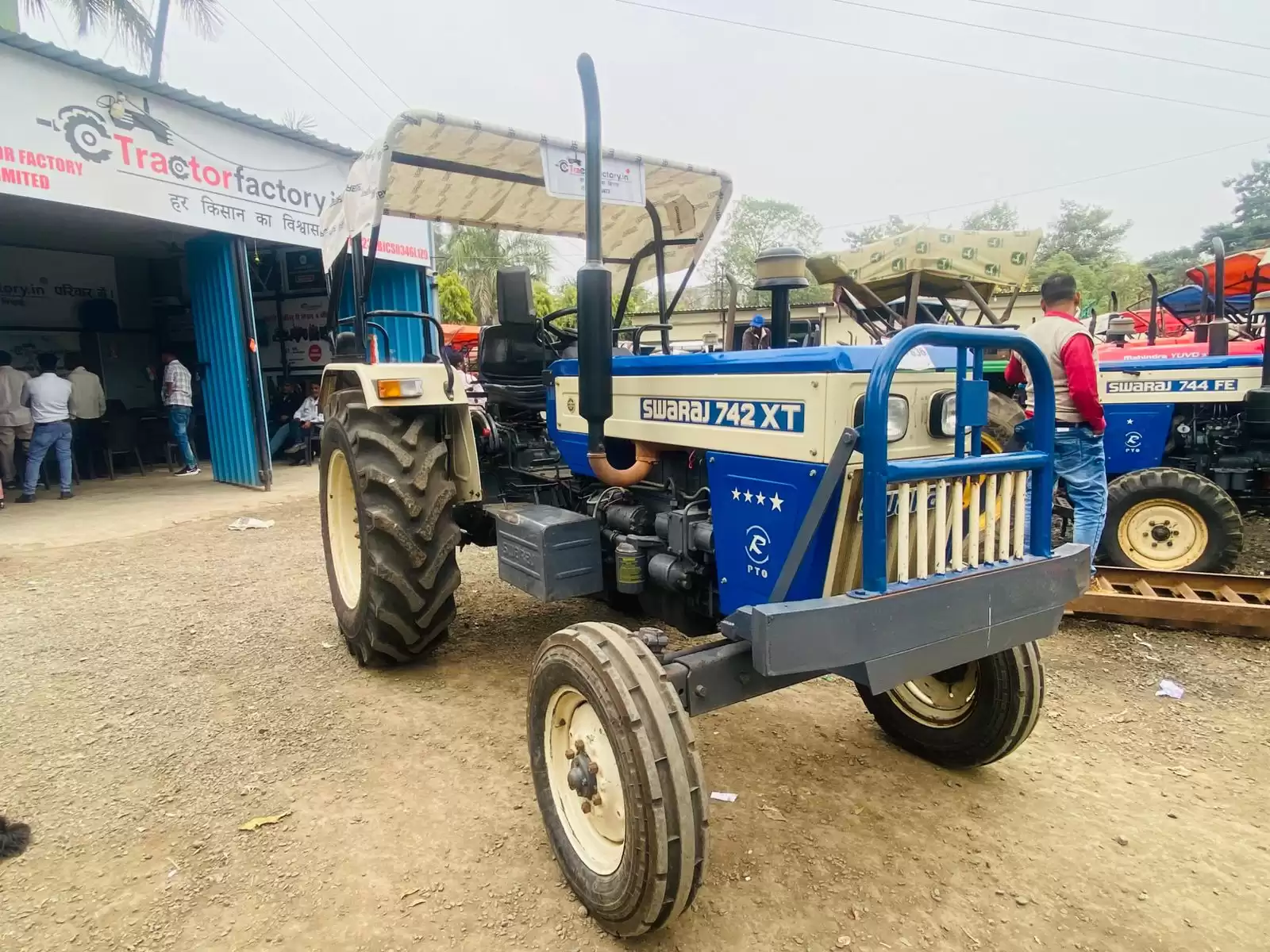
| Ad Type | I am offering |
A tractor is not just a machine you park in the shed and think about only when something breaks. It becomes part of your routine. Part of your mood, honestly. When it starts on the first crank, the day feels lighter. When it doesn’t, everything slows down. I’ve spent enough time around tractors to know they carry stories in their dents, grease marks, and faded paint. This piece isn’t polished. It’s practical. Like the machine itself.
The first year you own a tractor, you treat it carefully. You listen to every sound. You worry too much. Then one long season comes along. Tight schedules. Weather turning fast. Hired help late. That’s when the tractor stops being “new” and starts being necessary. You stop babying it and start trusting it. That shift matters. A good tractor earns that trust slowly, without drama.
People love to talk about horsepower. Bigger numbers sound better, especially in ads. But in the field, torque delivery, gear ratios, and balance do more work than a headline figure. A well-matched tractor pulls smoother, doesn’t strain, and saves fuel without you trying to be clever. I’ve seen lower horsepower tractors outwork bigger ones simply because they were better suited to the job.
You don’t read about clutch feel in brochures. But after a long day, your left leg remembers. A smooth, predictable clutch makes repeated turns and stops easier. Jerky engagement wears you down. Over time, you stop noticing the good ones and curse the bad ones every single hour. That’s experience talking, not specs.
Fuel efficiency isn’t a theoretical benefit. It’s visible at the end of the month. A tractor that sips instead of gulps allows you to work longer without checking the gauge every few rounds. It also runs cooler and cleaner when designed right. You notice it most during peak season, when diesel prices pinch and every saved liter feels earned.
Some tractors look tough but hide their weak points behind panels and awkward layouts. Others are honest machines. Filters easy to reach. Grease points where they should be. Belts you can inspect without scraping your knuckles. Over years, these small things decide whether you respect your tractor or just tolerate it. A tractor that’s easy to maintain invites care. One that isn’t gets neglected, even by good owners.
Comfort used to sound like a sales trick. Now I see it as endurance. A decent seat, sensible pedal spacing, and low vibration keep your focus sharp. When your body isn’t fighting the machine, your work improves. Mistakes drop. Fatigue comes later. That matters when daylight is short and deadlines don’t move.
There’s a reason older tractors still work fields today. Mechanical systems are predictable. You can hear problems forming. You can fix things without plugging into software. Simplicity doesn’t mean outdated. It means transparent. Many farmers keep an older tractor alongside a newer one because they trust it to start, pull, and finish the job without questions.
Modern tractors bring precision tools that can genuinely help. Better hydraulics. Cleaner engines. Smarter transmissions. But technology only pays off when it fits your work style. A feature you don’t use becomes weight. A screen you don’t understand becomes frustration. The best setup is one that fades into the background while you work.
A tractor feels completely different depending on what you hook behind it. Poorly matched implements cause wheel slip, uneven wear, and wasted fuel. When things are balanced, the tractor moves like it knows the task. The sound steadies. The pull smooths out. You feel it through the seat before you see it in the soil.
Some tractors hold value better than others, but condition matters more than brand talk. Regular service. Clean fluids. Straight panels. Buyers notice. A tractor that’s been cared for tells its own story. When the time comes to sell or upgrade, that story turns into real money, not just pride.
Dust, heat, rain, cold starts. Weather finds what factory tests miss. Electrical systems, seals, cooling efficiency. A tractor that handles weather without constant attention becomes reliable in your mind. You stop planning around it. You plan with it. That’s a big difference when timing affects yields.
Experienced operators listen more than they look. A healthy tractor has a steady rhythm. Changes stand out. A knock, a hiss, a vibration that wasn’t there yesterday. These clues help you act early, before a small issue becomes a long repair. You can’t rush that understanding. It grows with hours.
Engine strength means nothing if traction fails. Proper tire size, tread pattern, and pressure turn power into movement. Worn tires waste fuel and strain components. Fresh, well-chosen tires transform the same tractor into something more capable. It’s one of the clearest upgrades you can feel immediately.
After enough seasons, the tractor stops feeling like equipment and starts feeling like a partner. You know its limits. You respect them. It rewards you by showing up every morning. That relationship isn’t sentimental. It’s practical. Reliability builds confidence, and confidence speeds up work.
Every breakdown leaves a memory. Where it happened. What failed. How much time you lost. Those moments shape how you choose your next tractor, how you maintain the current one, and how prepared you stay. A tractor that minimizes those moments earns loyalty without asking.
No two farms are identical. Soil type, field size, crop rotation, labor availability. All of it matters. Advice helps, but experience decides. The right tractor for you might be wrong for your neighbor. That doesn’t make either choice bad. It makes them honest.
Purchase price fades fast. Running costs stay. Fuel, parts, service intervals, downtime. Over years, these define value. A slightly higher upfront cost often pays back quietly, season by season, without headlines. You only notice when things don’t go wrong.
Paint fades. Seats wear. That’s normal. What matters is whether the tractor still works the same way it always did. Smooth starts. Consistent pull. Predictable handling. A tractor that ages well becomes a reference point. You judge new machines against it, not the other way around.
There’s a moment when you stop thinking about the tractor entirely. You focus on the work. That’s when you know you chose well. The machine disappears into the task, doing exactly what it should, without drama or complaint. That’s the real goal.
A tractor doesn’t need to impress anyone except the person sitting on it day after day. It needs to start, pull, turn, and stop without argument. It needs to forgive small mistakes and reward steady care. When it does that, season after season, it becomes more than metal and rubber. It becomes reliable. And in farming, that’s worth everything.
 Australia
 Singapore
 United Kingdom
 United States
 Germany
 South Africa
 New Zealand
 Nigeria
 Canada
 France
 Spain
Spain Italy
Italy Ireland
 UAE
UAE