
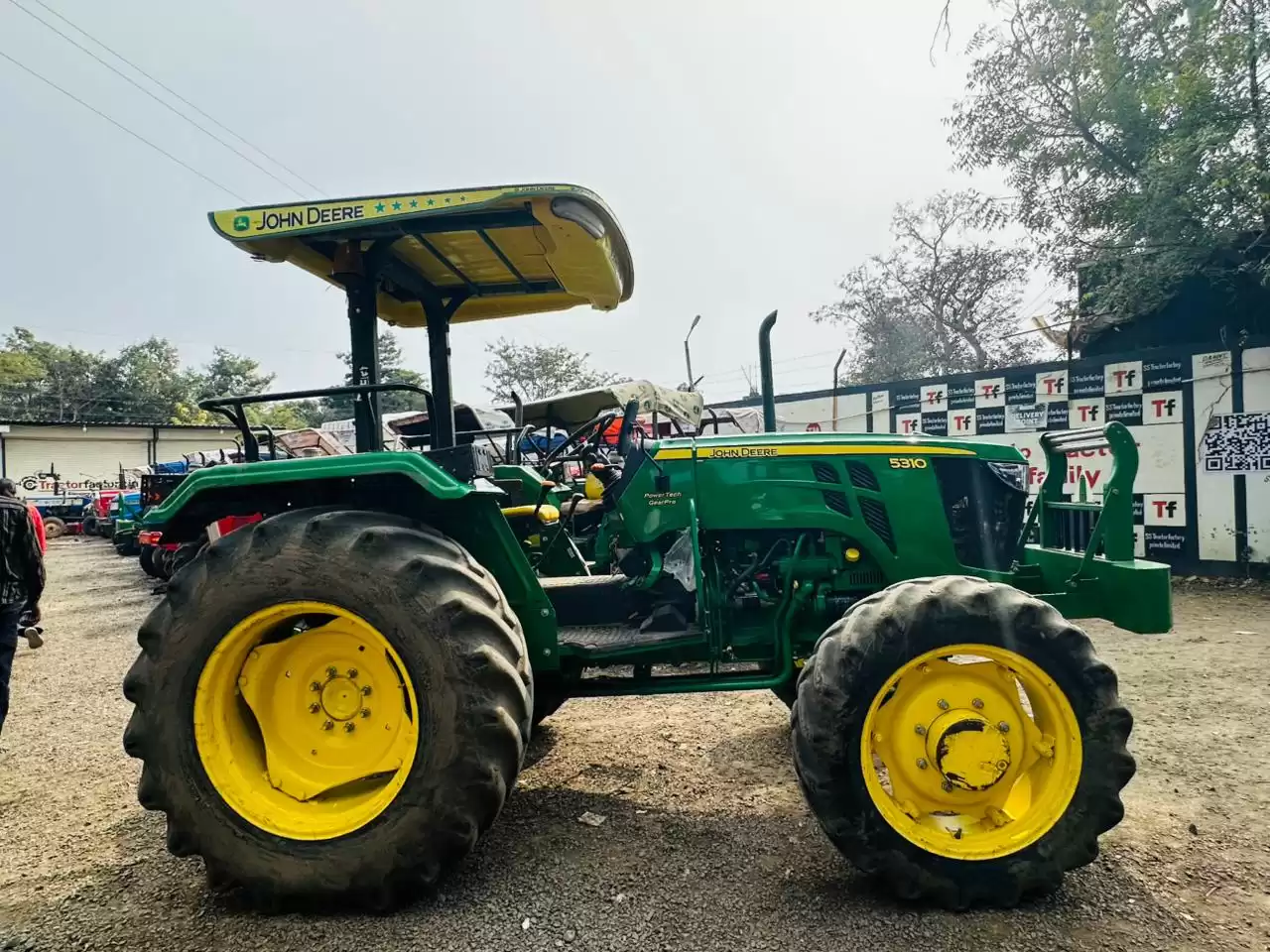
| Ad Type | I am offering |
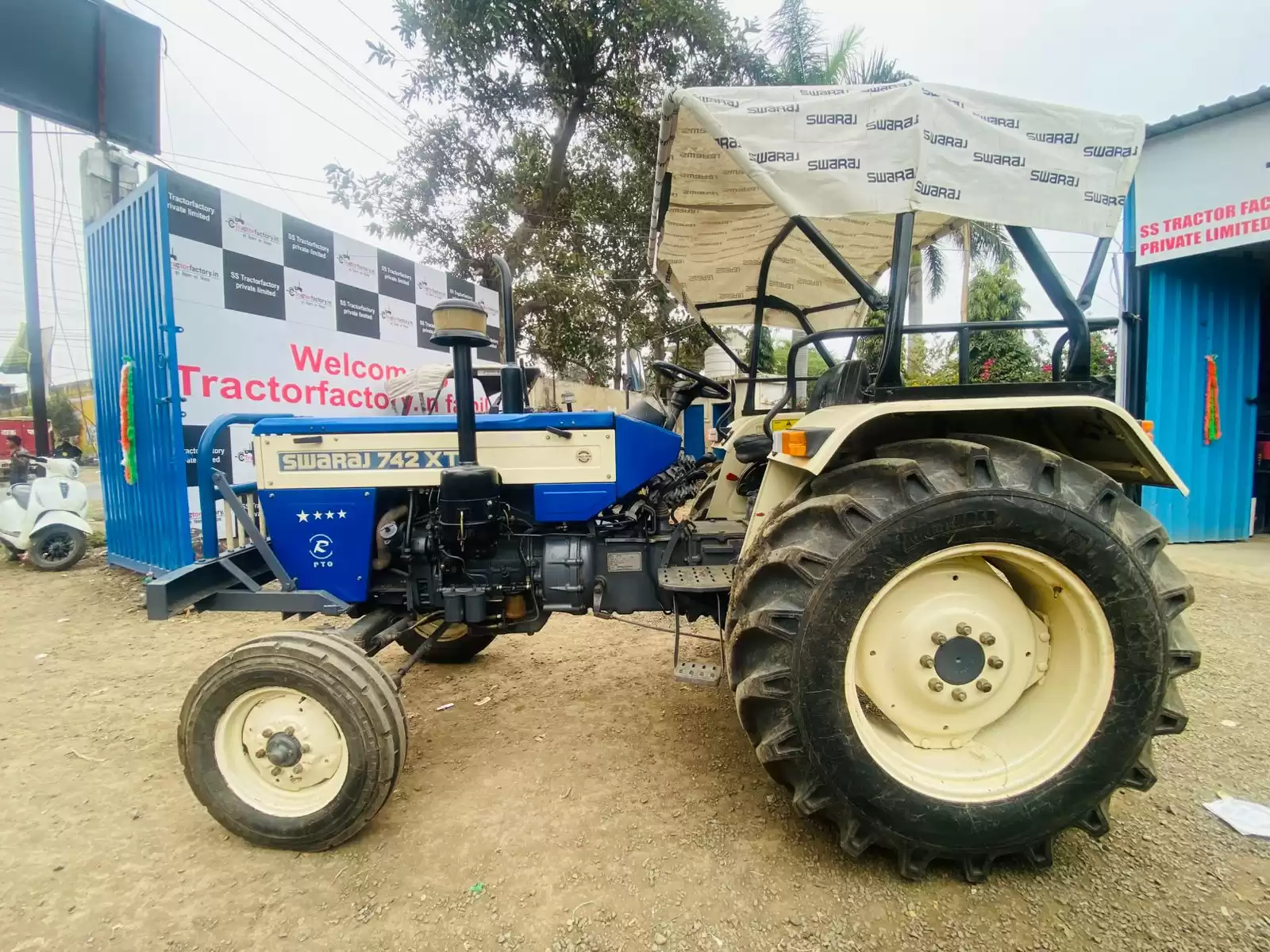
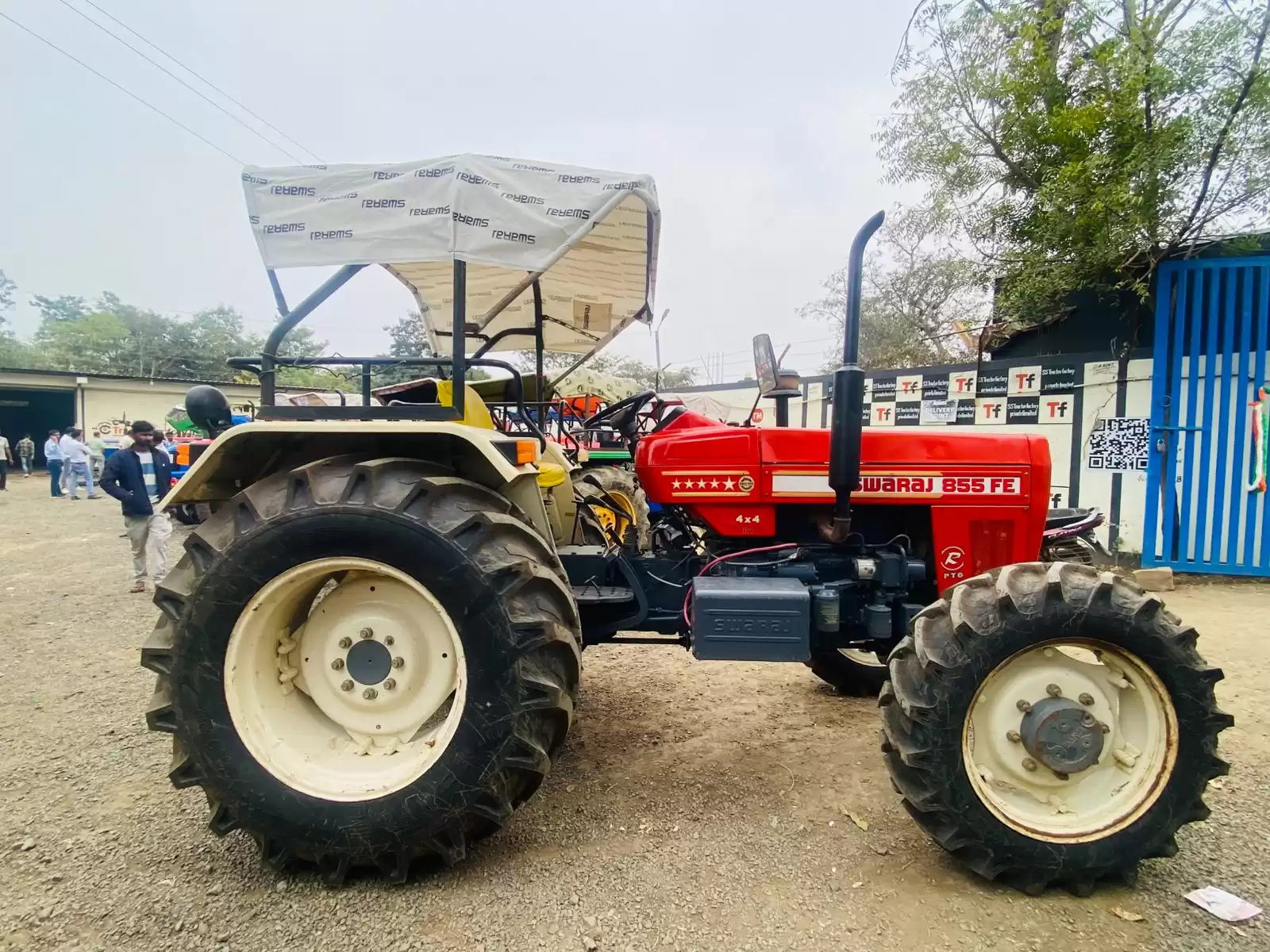
An old tractor doesn’t shout for attention. It sits there, paint faded, metal warmed by years of sun, waiting for work. And when work comes, it moves. That’s the quiet truth many farmers know but few online articles admit. New machines look sharp. Old tractors get things done.
Below is a straight, ground-level look at old tractors. No polish. No sales noise. Just experience, wear marks, and real value.
Why Old Tractors Still Matter on Real Farms
Spend enough mornings in villages or small farms and you’ll notice something. The tractors pulling trolleys, leveling fields, running rotavators are rarely brand new. They’re ten, sometimes twenty years old.
There’s a reason for that.
Old tractors are familiar. The clutch feel is known. The sound of the engine tells you if something’s off. You don’t need a laptop to diagnose a problem. A spanner, a hammer, and experience often do the job.
For farmers who work their land daily, predictability matters more than shine.
Built When Strength Came Before Style
Older tractors were designed in a different mindset. Thick metal. Simple wiring. Engines built to tolerate rough fuel and rough handling.
You’ll notice it the moment you open the bonnet. Space to work. Parts you can actually see. Nothing hidden behind plastic covers or sealed units.
They were not made to impress in a showroom. They were made to survive bad roads, overloaded trolleys, and operators who learned by doing, not by manuals.
That toughness still shows.
Engine Life and What “Old” Really Means
“Old” doesn’t always mean worn out. A well-maintained tractor with 6,000 hours can be healthier than a neglected one with 2,000.
Most old tractor engines, especially from trusted brands, were built to be rebuilt. Sleeves, pistons, bearings — all replaceable. After an overhaul, the engine often runs another decade without drama.
Unlike many modern engines, these ones forgive mistakes. Missed oil change? It complains, but doesn’t quit immediately.
That forgiveness has value.
Cost Advantage That Actually Makes Sense
Buying a new tractor ties you to loans, EMIs, and pressure. An old tractor is usually a one-time hit or a short-term payment.
For small landholders or new farmers, that difference decides everything.
Lower purchase cost means:
And here’s the part few mention: depreciation on old tractors is slow. Very slow. You buy smart, you can sell later without losing much.
Sometimes you even make a profit.
Repairs You Can Understand and Control
With older tractors, repair doesn’t feel like surrender. Local mechanics know them. Spare parts are everywhere. Used parts are an option too.
No sensors throwing surprise errors. No waiting weeks for company technicians. If something breaks, you usually know what it is before the bonnet opens.
Clutch plate. Fuel pump. Starter motor.
Simple problems. Clear solutions.
That kind of control keeps machines working during peak seasons when delays cost real money.
Old Tractors and Daily Farm Work
Ploughing, harrowing, trolley pulling, water pumping, rotavator work. Old tractors handle these without complaint.
They may not have fancy gear speeds or silent cabins, but they pull steady. Torque comes early. You feel it in the seat.
On uneven fields or muddy patches, that raw mechanical grip often beats lighter modern machines.
Farmers trust what they can feel.
Fuel Consumption in Real Conditions
There’s a myth that old tractors always drink more diesel. Sometimes true. Often exaggerated.
A properly tuned old engine, driven by someone who understands throttle control, can be surprisingly efficient. Especially in steady tasks like hauling or pumping.
What matters more than age is maintenance. Clean filters. Correct injector timing. Decent fuel.
Neglect makes any tractor thirsty. Old or new.
Availability of Spare Parts Is a Hidden Strength
Visit any tractor spare market and you’ll see shelves stacked with parts for older models. New models? Limited, expensive, sometimes back-ordered.
Old tractor parts exist in three forms:
That flexibility keeps costs down and machines running. For farmers far from service centers, this matters more than warranty cards.
Availability equals uptime.
Resale Value and Demand Never Really Drop
Old tractors have a stable audience. Small farmers. Contractors. First-time buyers. Even exporters in some regions.
A popular old model in working condition always finds a buyer. The price might fluctuate, but demand doesn’t vanish.
That safety net makes old tractors less risky than many assume.
You’re not stuck with dead metal. You’re holding working capital.
Comfort Trade-Offs You Should Be Honest About
Old tractors are not gentle on the body. Clutches are heavier. Seats are basic. Noise is part of the experience.
Long hours can tire you faster than in modern cabins.
But many operators accept this trade. Shorter work sessions. Slower pace. More breaks.
For them, physical effort is a fair price for financial freedom.
Learning Curve That Builds Skill
Running an old tractor teaches you mechanics without a classroom. You learn sounds, vibrations, smells.
You know when an engine is happy. You know when it’s struggling.
That awareness makes better operators. It also makes breakdowns less frightening because you’ve seen inside the machine before.
Modern machines hide that relationship. Old ones teach it.
Old Tractors in Rental and Contract Work
For light contract work, old tractors are ideal. Lower investment, faster break-even.
If something scratches or dents, it doesn’t feel like a personal loss. Work gets priority over appearance.
Many small contractors run fleets of older tractors for exactly this reason. They earn steadily without massive upfront costs.
Profit comes from reliability, not looks.
Environmental Reality People Don’t Like to Discuss
Keeping an old tractor running can be more sustainable than manufacturing a new one. Less resource extraction. Less industrial waste.
Yes, emissions standards are different. But extending machine life has its own environmental logic.
Repairing instead of replacing is not backward thinking. It’s practical thinking.
Choosing the Right Old Tractor Matters More Than Age
Not all old tractors are equal. Service history, usage type, previous owner habits — these decide value.
A single-owner tractor used for light farming beats a heavily abused one from transport work, regardless of year.
Listen to the engine cold. Watch exhaust under load. Check hydraulics patiently.
Good old tractors reveal themselves if you give them time.
Trust Built Over Years Can’t Be Bought New
Many farmers name their tractors. That tells you something.
An old tractor that has worked through droughts, floods, good years, and bad becomes more than equipment. It becomes dependable.
When a machine starts every morning without drama, trust forms. That trust is earned, not advertised.
Final Thoughts from the Field
Old tractors are not leftovers. They are survivors.
They don’t promise perfection. They offer honesty. Work done at a pace that respects experience over speed.
For farmers who value control, repairability, and real-world performance, old tractors remain a strong choice. Not because they are cheap. Because they make sense.
https://www.smart-article.com/the-quiet-strength-of-old-tractors-that-refuse-to-quit/
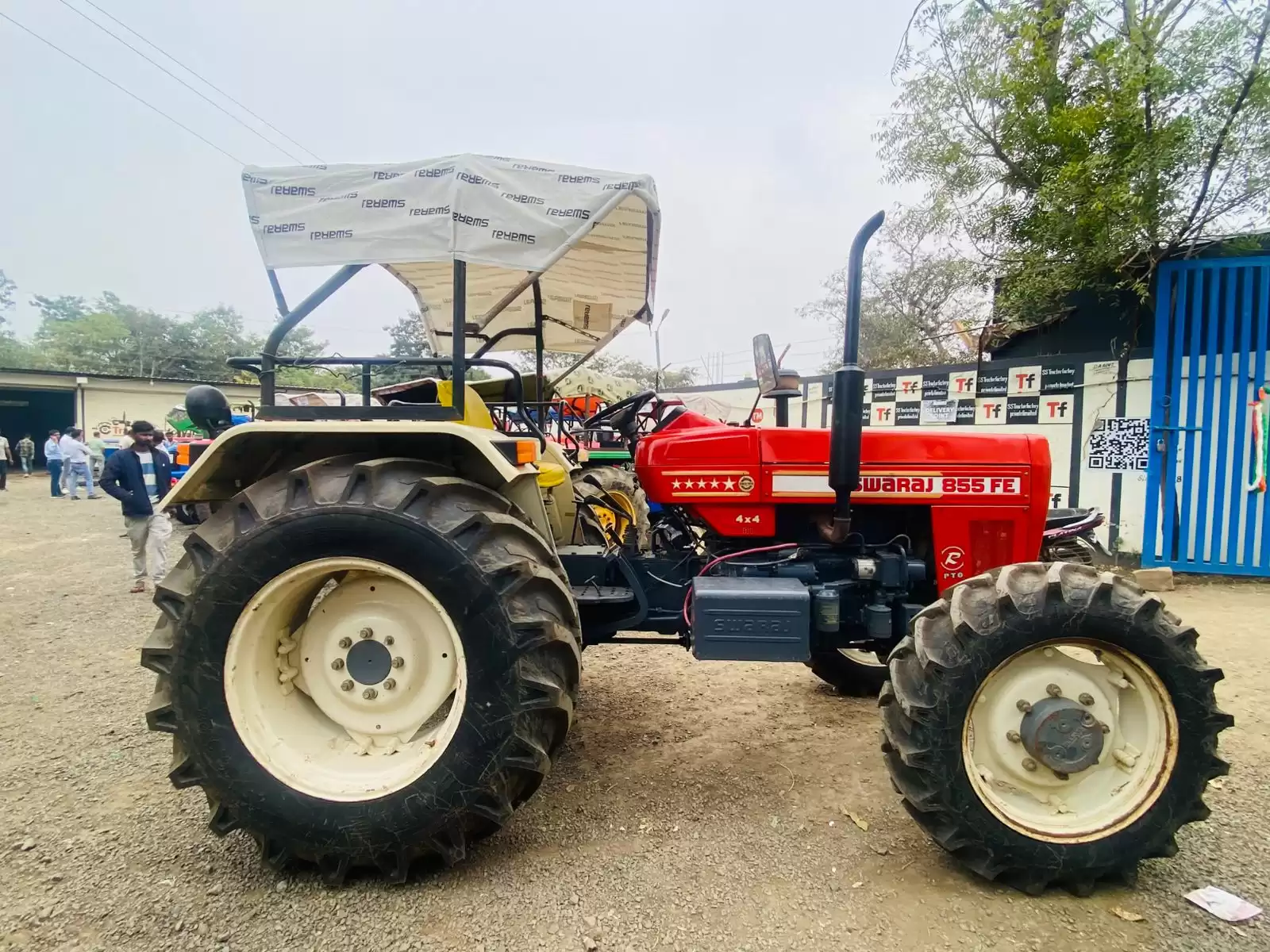
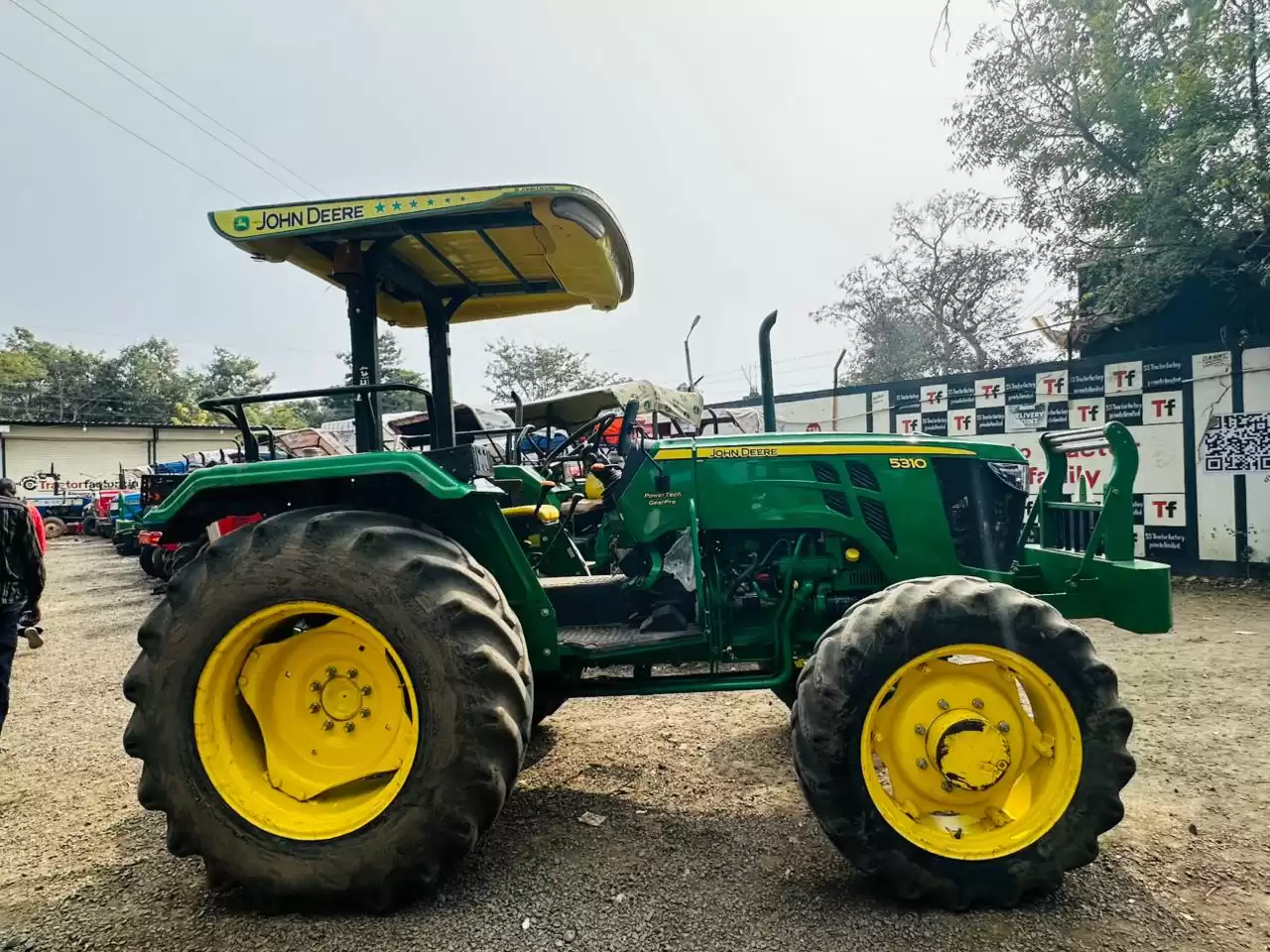
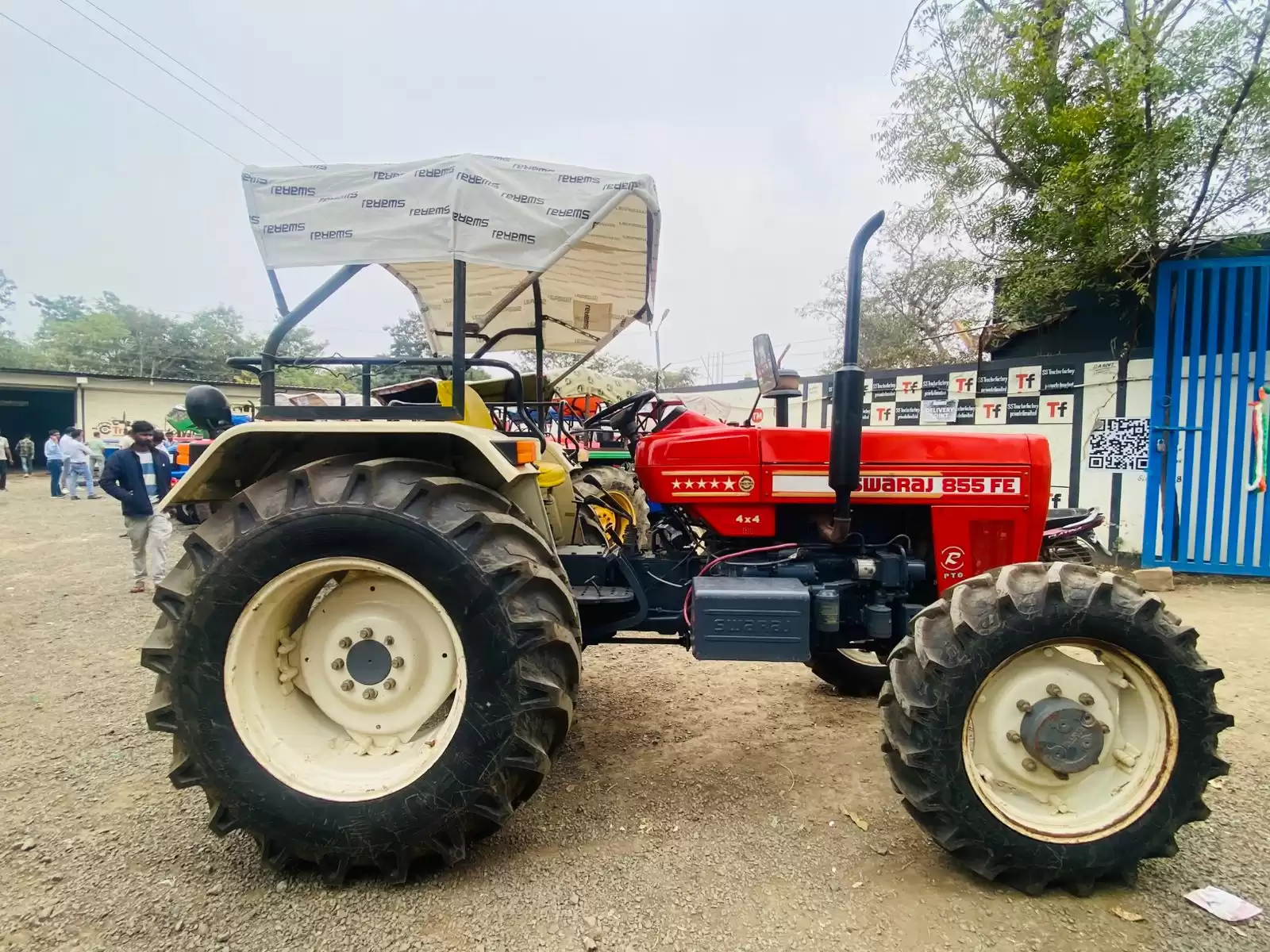
 Australia
 Singapore
 United Kingdom
 United States
 Germany
 South Africa
 New Zealand
 Nigeria
 Canada
 France
 Spain
Spain Italy
Italy Ireland
 UAE
UAE