
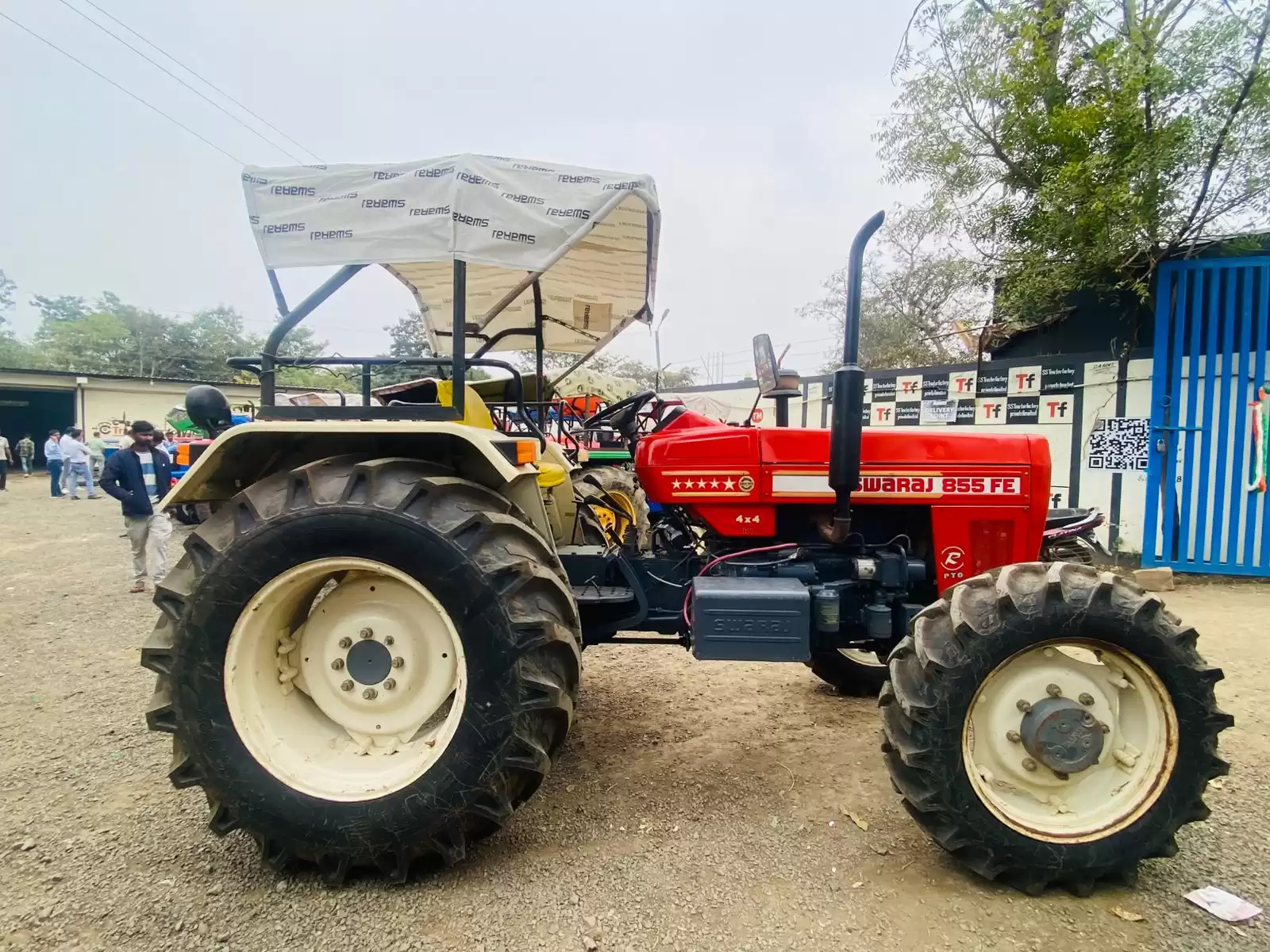
| Ad Type | I am offering |
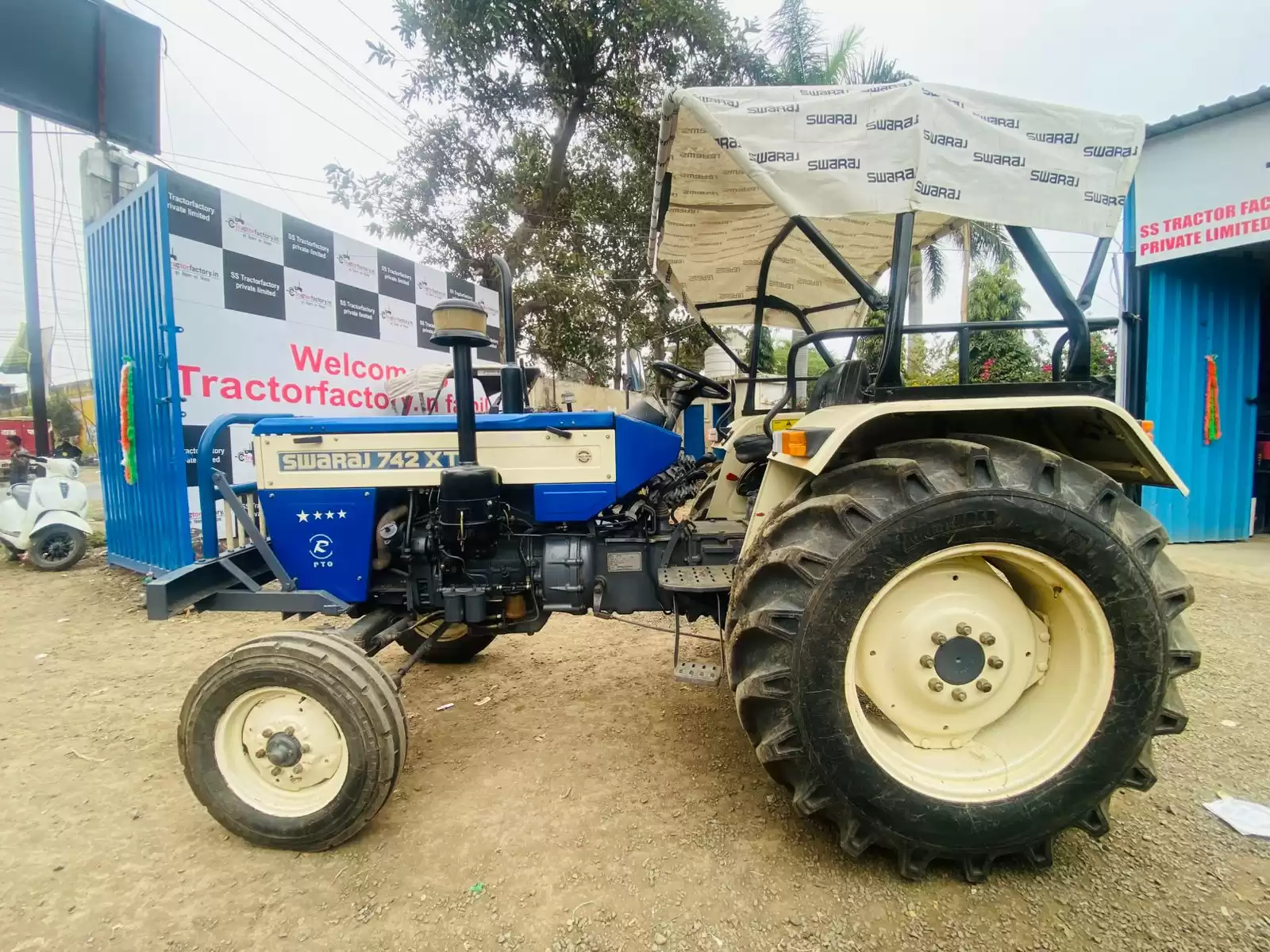
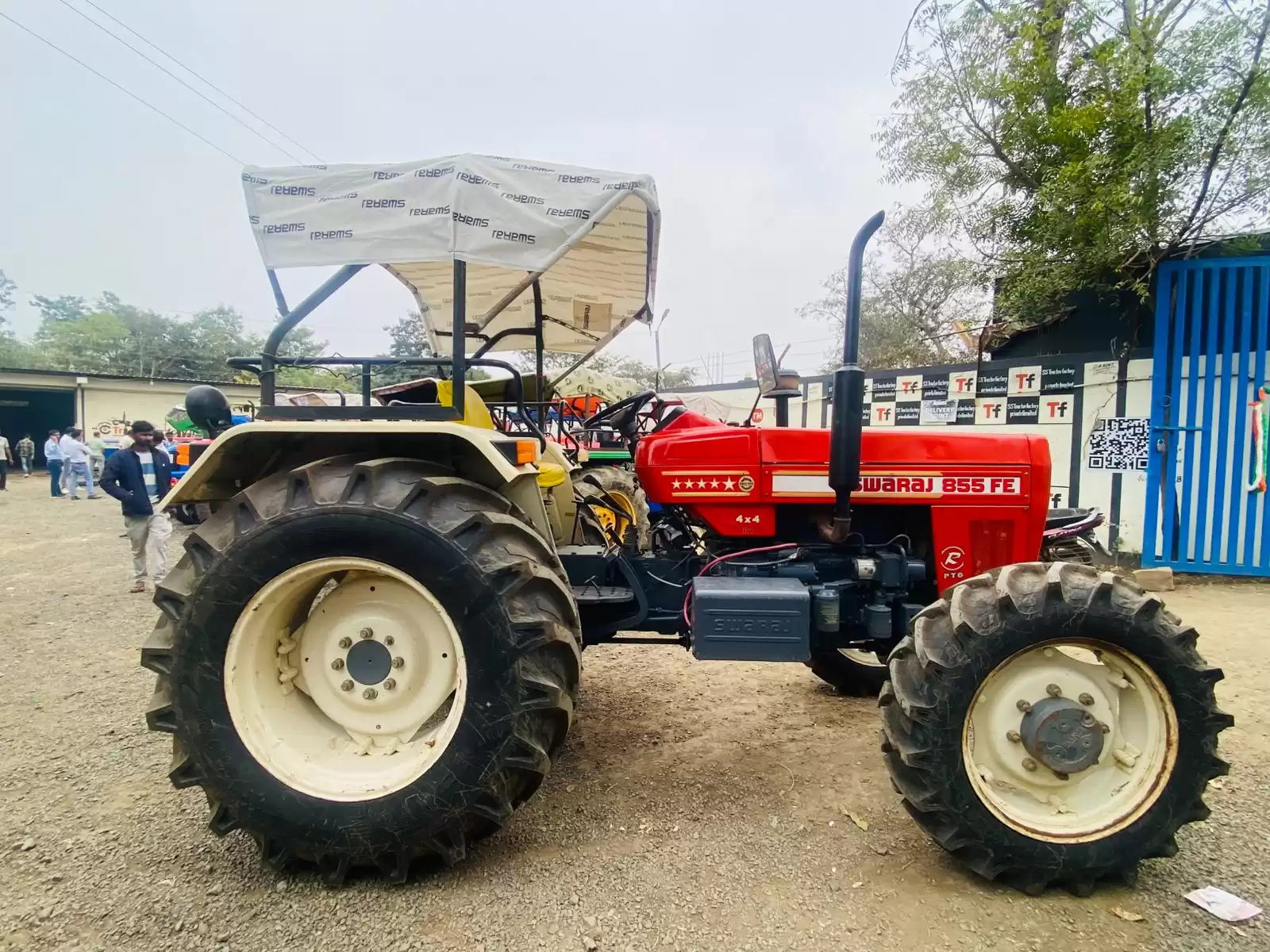
I’ve driven brand-new tractors that smelled like fresh paint and promise. I’ve also worked behind used ones that rattled a bit, leaked a little oil, and still pulled harder than expected. Out in real fields, value matters more than shine. A used tractor gives you that value. You’re not paying for showroom polish. You’re paying for metal, gears, and work already proven under load. For small and mid-size farmers, that difference isn’t theory. It’s survival. A used tractor frees money for seeds, repairs, labor, or just breathing room during a bad season.
People fear wear. I look at it differently. Wear tells stories. Smooth clutch action after years of use means good driving habits. Tight steering in an older tractor usually points to proper greasing. A tractor with zero scratches worries me more than one with faded paint and honest dents. Machines that worked gently tend to age well. Those abused show it clearly. Once you learn to read those signs, a used tractor becomes easier to trust than a new one wrapped in warranty language.
A used tractor engine that starts clean, without drama, has already passed its hardest test. Early manufacturing flaws show up fast. If an engine has crossed thousands of hours and still holds compression, that’s a strong signal. I always listen before I look. Cold start, idle sound, throttle response. No rushing. A healthy diesel speaks calmly. You feel it through the seat. Used tractors with solid engines rarely surprise you later, provided maintenance wasn’t ignored.
Loan pressure kills more farms than broken machines. A used tractor softens that pressure. Lower purchase cost means smaller EMIs or none at all. That changes how you farm. You take smarter risks. You don’t push equipment past limits just to justify payments. I’ve seen farmers make better decisions simply because their tractor didn’t own them financially. That freedom doesn’t show on spec sheets, but it’s real.
Older tractor models often have better parts availability, not worse. Mechanics know them. Local workshops stock common components. You’re not waiting weeks for proprietary electronics. Mechanical systems can be fixed roadside. I’ve replaced fuel lines under a tree and finished ploughing the same evening. Try that with a sensor-heavy machine. Used tractors, especially popular models, stay alive because parts ecosystems already exist around them.
Numbers look nice in brochures. Fields don’t read brochures. Used tractors teach you that torque delivery, gear ratios, and weight balance matter more than advertised horsepower. An older 45 HP tractor can outperform a newer 50 HP one in heavy soil simply because it puts power down better. Experience teaches this quickly. That’s why many seasoned farmers stick to models they’ve seen work year after year.
Not all farms are equal. Sandy soil, black cotton soil, slopes, narrow fields. A used tractor that worked in similar conditions is ideal. I always ask where the tractor spent its life. Orchard use, haulage, tillage. Each leaves different stress patterns. Matching tractor history to your land reduces surprises. It’s not about brand loyalty. It’s about compatibility.
Engines get attention. Gearboxes tell the real truth. Shifting should feel firm, not forced. No grinding. No hesitation. Used tractors with abused gearboxes cost more in the long run than engine repairs. I always test every gear under load, slow and fast. If a seller rushes this step, that’s information in itself. A good gearbox ages gracefully. A bad one announces problems early.
Implements are the tractor’s hands. Weak hydraulics slow everything. A used tractor should lift steadily, hold position, and drop smoothly. Jerky motion means worn pumps or valves. I’ve walked away from tractors that looked perfect but failed this test. Paint fades. Hydraulics feed your work daily. Prioritize function over appearance every time.
Older tractors rely more on mechanical sense than software logic. That simplicity is powerful. You understand the machine. You feel issues before they become failures. Sensors don’t hide problems. When something changes, you notice. Used tractors reward attention. They build a relationship with the operator. That’s not nostalgia. That’s operational clarity.
Some tractor brands earn trust because their older machines are still working. Walk through villages. See which tractors refuse to retire. Those reputations weren’t built by ads. They were built by farmers depending on them during critical weeks. A used tractor from a reliable lineage carries that legacy. You’re buying into years of field-tested reliability, not just a logo.
A well-maintained used tractor can sip fuel sensibly. Over time, operators learn optimal RPM ranges. Engines loosen just enough to run efficiently. New engines sometimes consume more during break-in. I’ve tracked fuel logs. Older tractors, driven thoughtfully, hold their own surprisingly well. Efficiency isn’t just engineering. It’s familiarity.
Honesty matters. Flood-damaged tractors, poorly modified machines, or units with mismatched parts can become money pits. If the chassis number doesn’t match records, walk away. If wiring looks like a nest of guesses, walk away. Experience teaches restraint. A good used tractor invites inspection. A bad one hides behind urgency.
Used tractors don’t collapse in value overnight. Buy a popular model, maintain it decently, and resale remains stable. I’ve sold tractors after years of use with minimal loss. Sometimes even profit, depending on demand. That stability adds confidence. You’re not locking money away forever. You’re parking it in iron.
Confidence while working affects output. A tractor you trust lets you focus on the field, not the machine. Used tractors that have earned trust deliver that comfort. No fear of sudden electronic shutdowns. No anxiety over warranty fine print. You know its moods. That familiarity reduces stress during peak seasons when stress already runs high.
Service records, ownership details, usage type. These aren’t formalities. They explain the tractor’s past life. I prefer tractors with boring histories. Single owner. Routine servicing. No dramatic stories. Drama belongs in movies, not machines. A clean paper trail often reflects responsible ownership.
You don’t inspect a tractor standing still. You drive it. You work it. Listen under load. Feel vibrations. Sense balance. Used tractors speak clearly during test drives. Sellers who allow proper testing usually have nothing to hide. Those who resist are answering your questions silently.
Photos lie politely. Descriptions exaggerate gently. Only physical inspection tells truth. Online platforms help discovery, not decisions. I treat listings as introductions, not commitments. Real judgment happens when boots touch soil and hands grip steering wheels.
Farming isn’t linear. Seasons shift. Weather interrupts plans. Used tractors fit that rhythm. They’re flexible. Forgiving. They don’t demand perfection. They work when needed and rest without complaint. That balance matters more than cutting-edge features most days.
Used tractors aren’t compromises. They’re choices made with awareness. They reward patience, inspection, and respect. When chosen wisely, they become partners, not liabilities. I’ve trusted used tractors through tough harvests and uncertain seasons. They earned that trust the hard way. And they keep earning it, one field at a time.
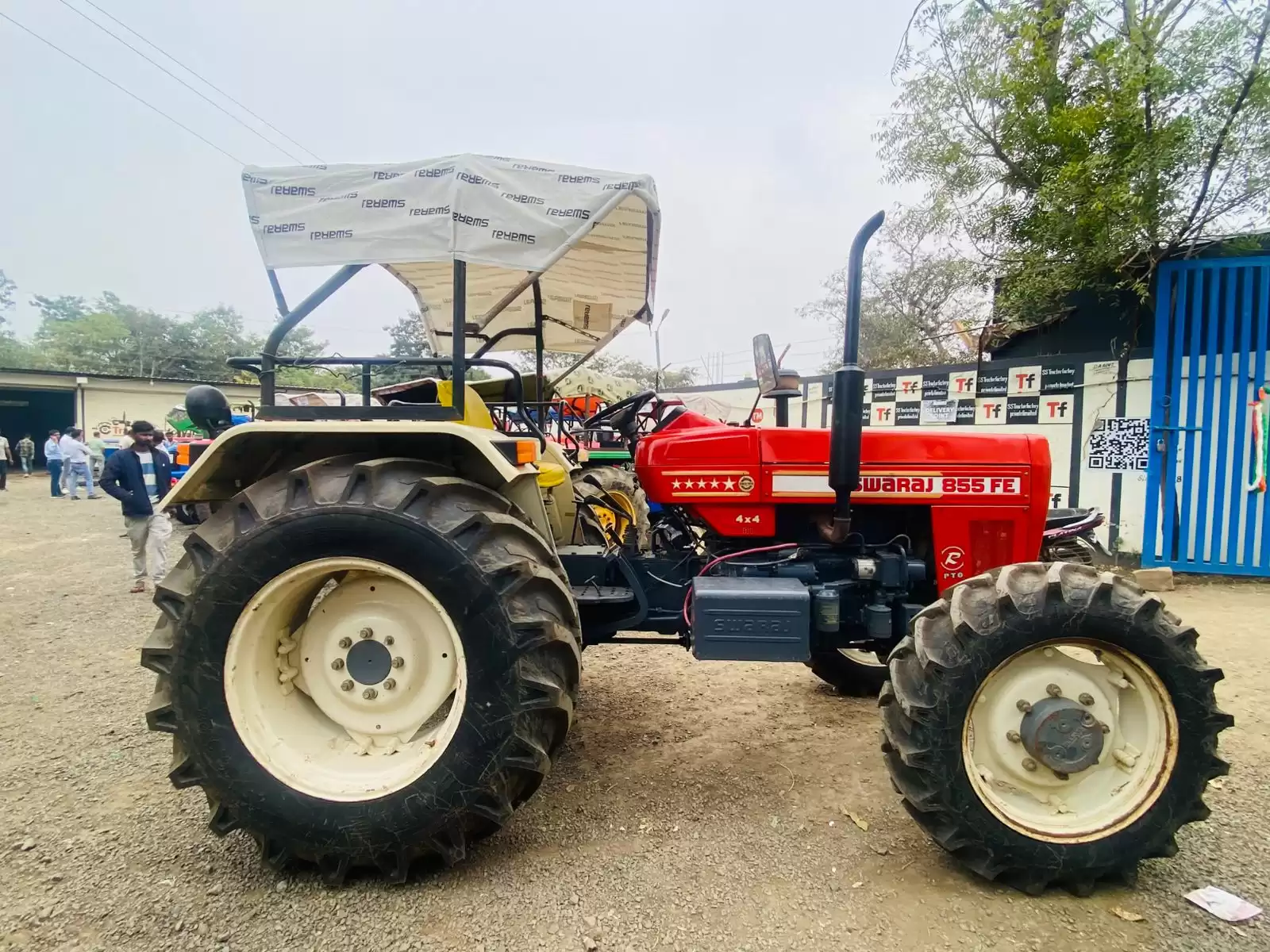
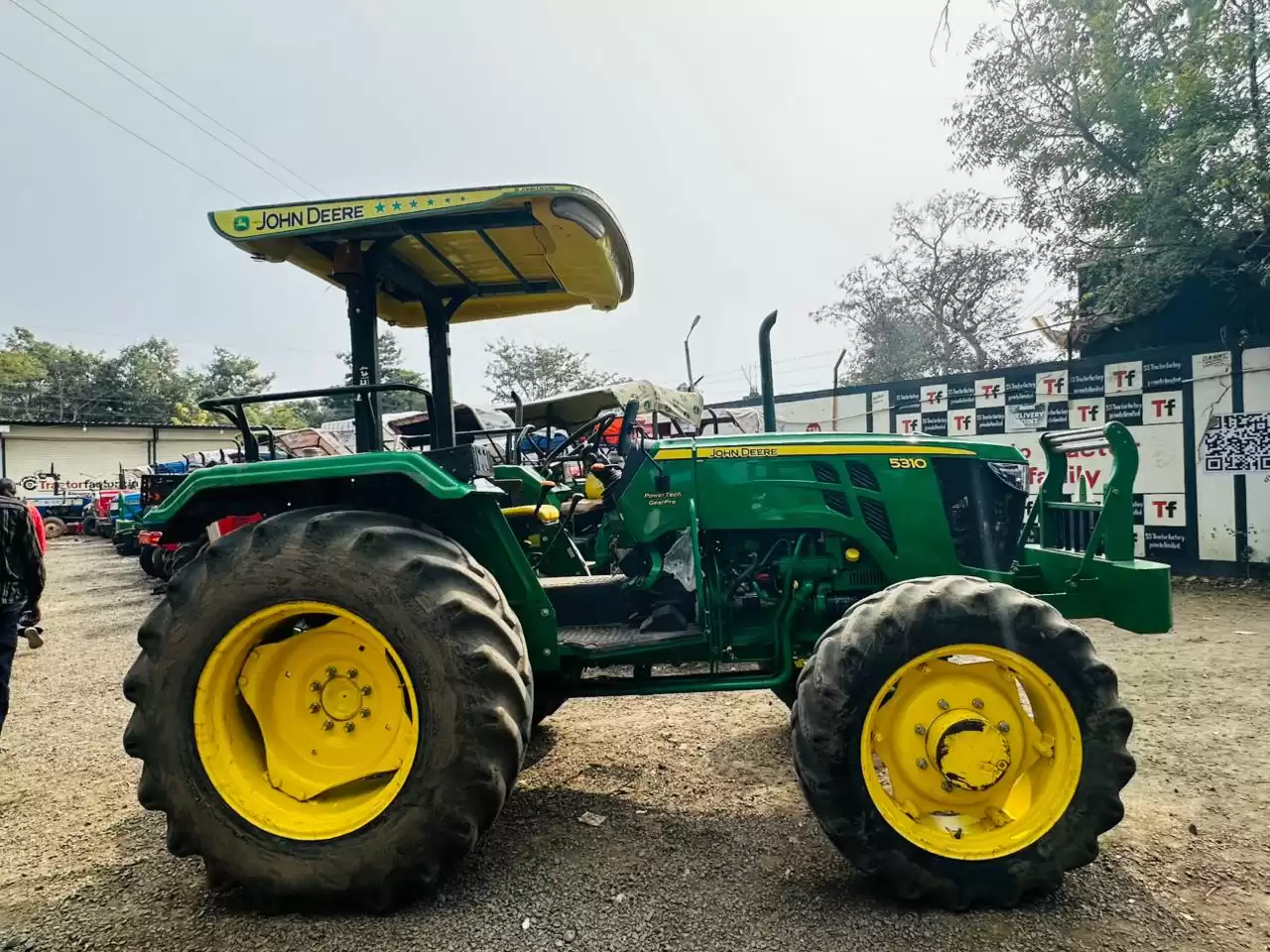
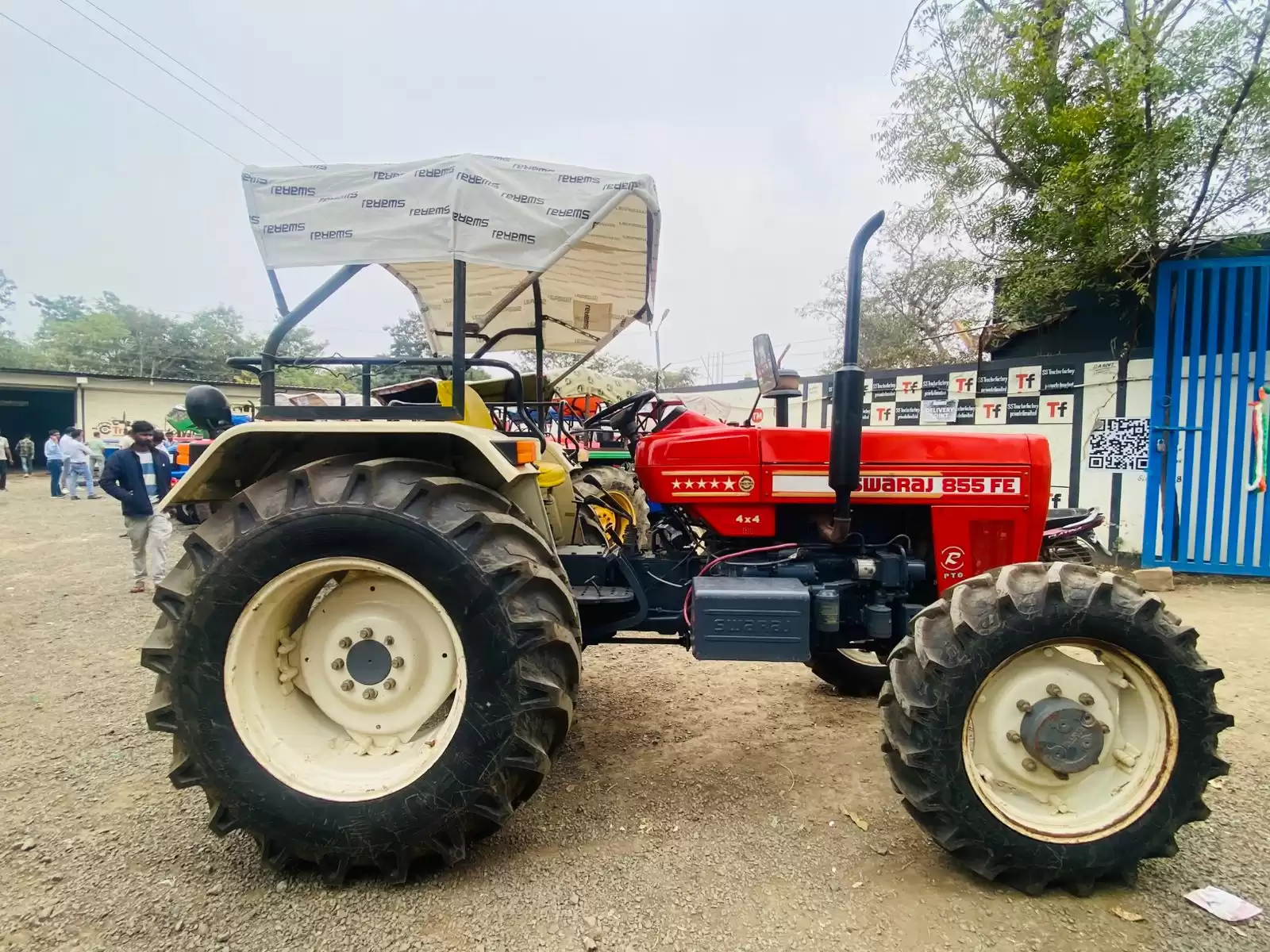
 Australia
 Singapore
 United Kingdom
 United States
 Germany
 South Africa
 New Zealand
 Nigeria
 Canada
 France
 Spain
Spain Italy
Italy Ireland
 UAE
UAE