
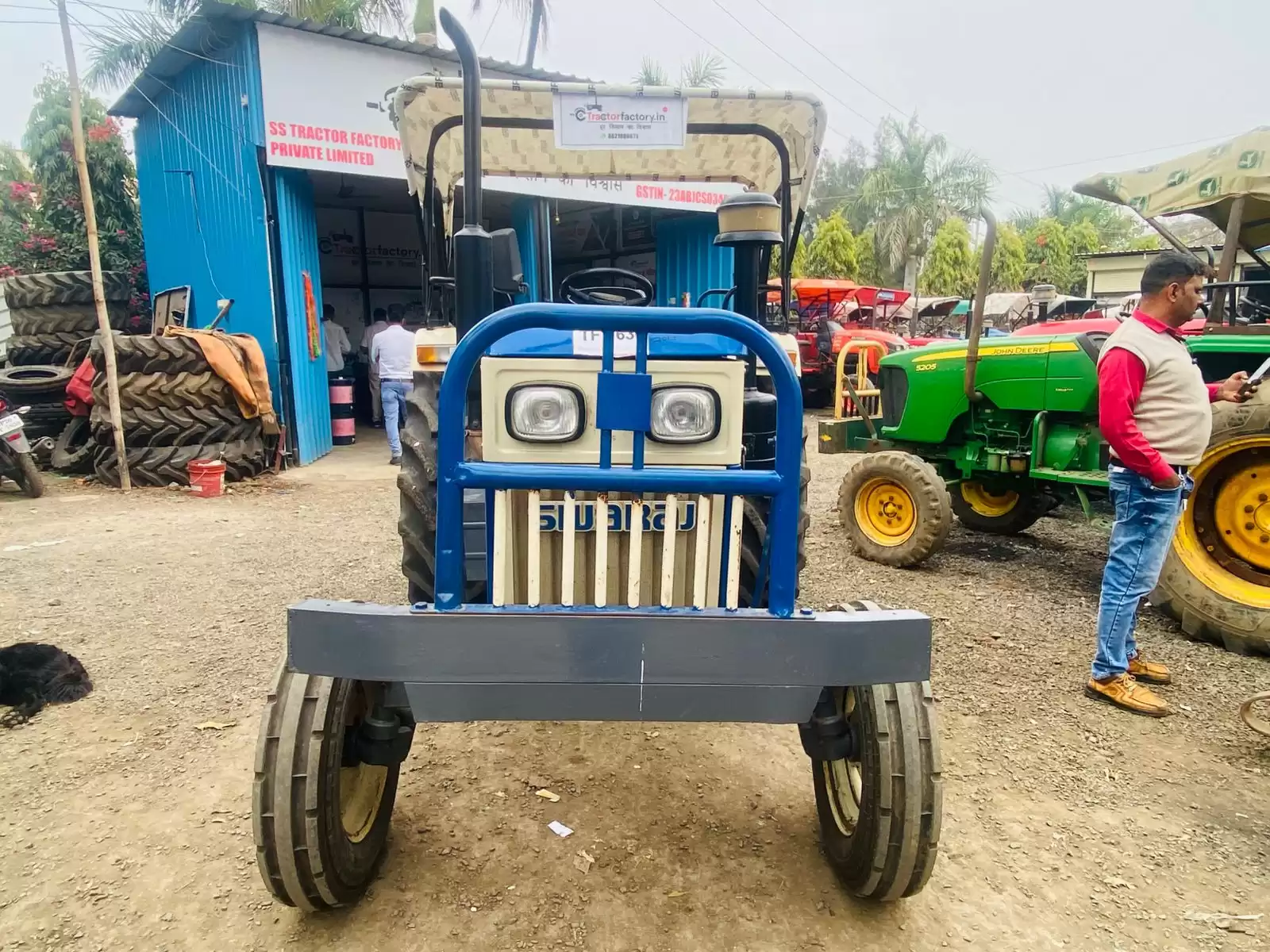
| Ad Type | I am offering |
Where Old Tractors Really Come From
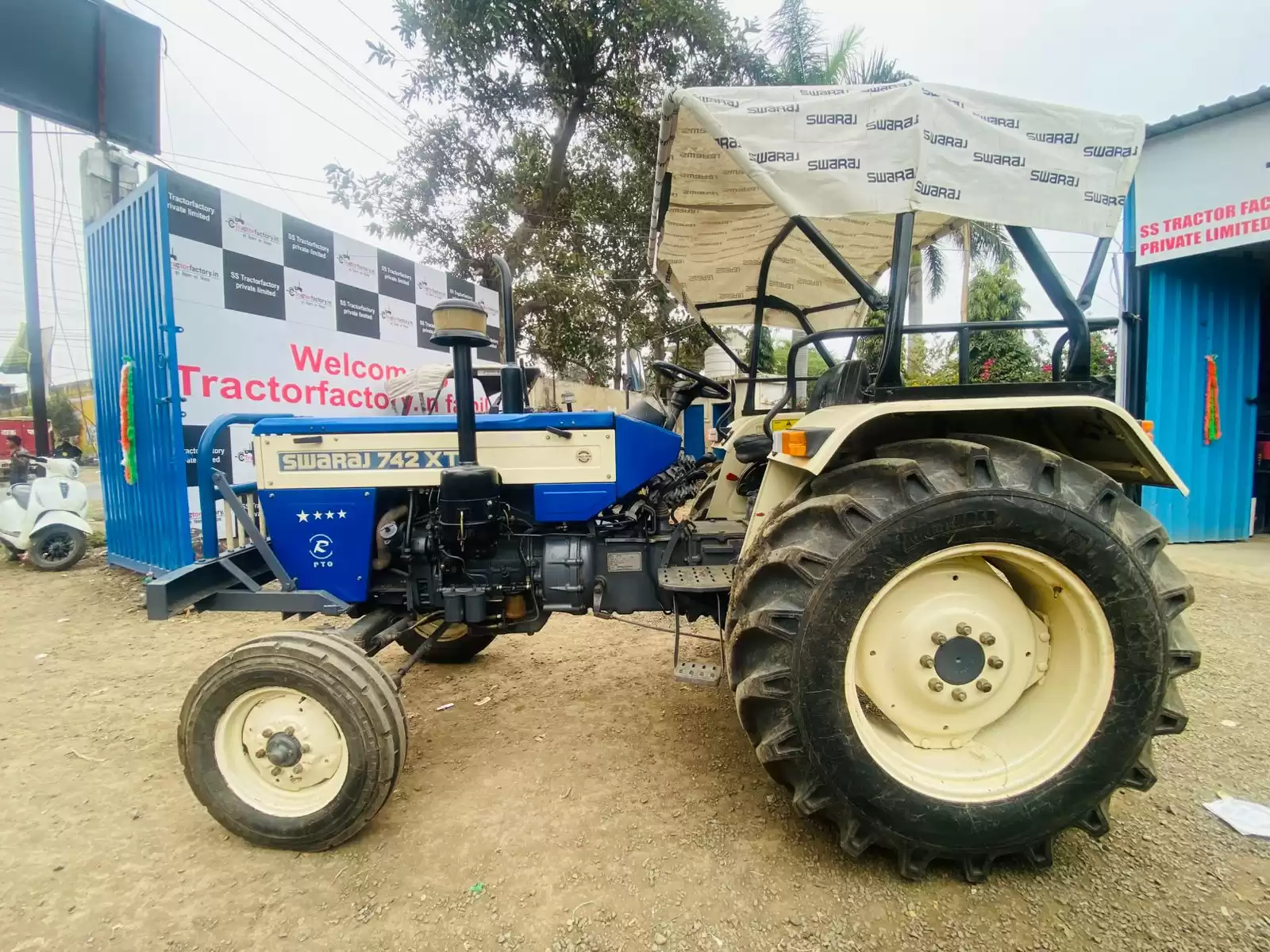
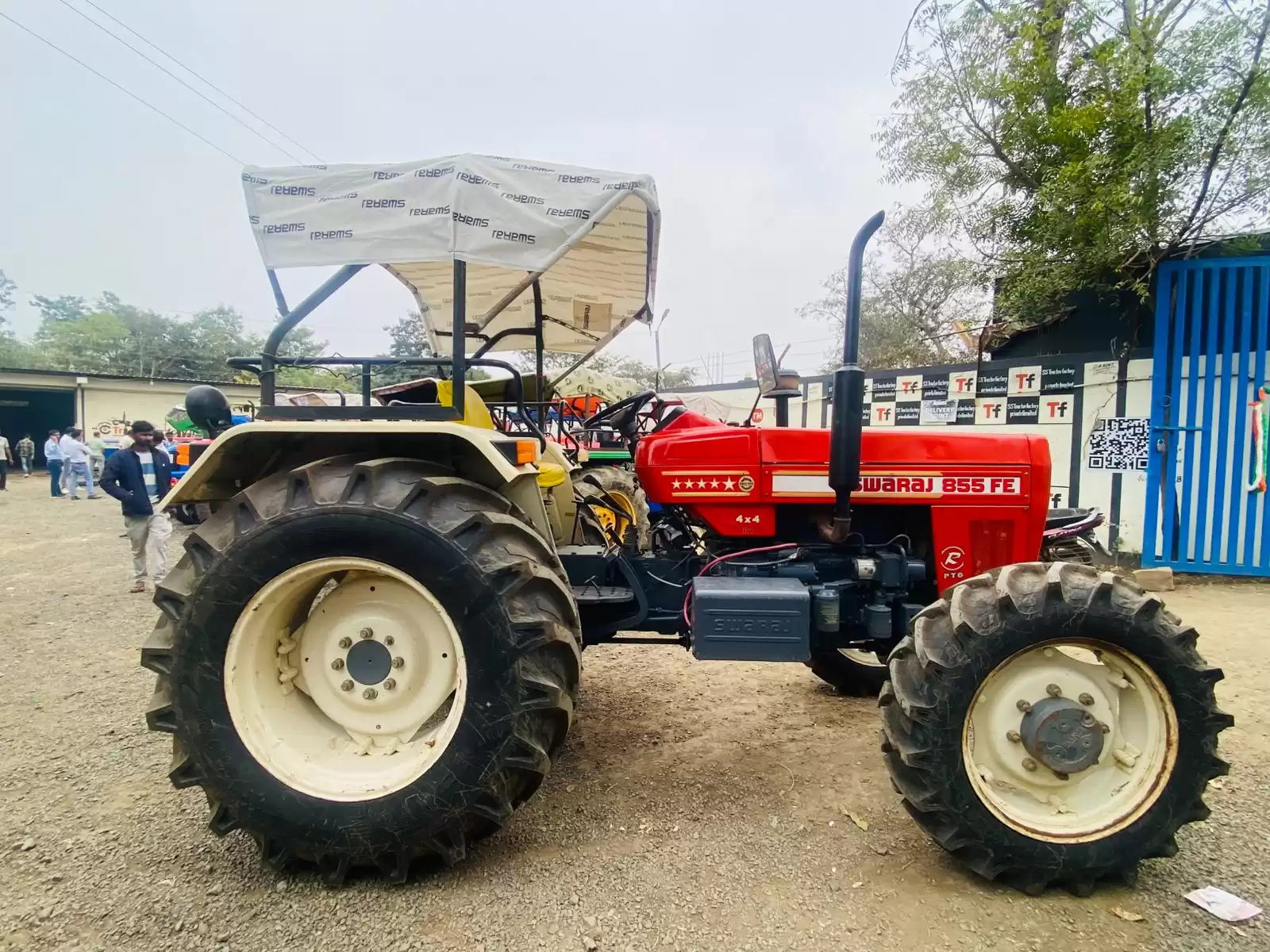
Most old tractor don’t start as “old.” They begin life covered in fresh paint, tight bolts, and a little pride. Years pass. Owners change. Fields change. What stays is the machine. I’ve seen tractors older than the farmer driving them, still pulling ploughs like they’ve got something to prove. These machines didn’t survive by accident. They survived because they were built thick, slow, and honest. No shortcuts in metal. No fancy parts that fail early. Just iron, grease, and patience.
Why Farmers Still Trust Old Tractors
There’s a reason old tractors are still working while many newer ones sit waiting for sensors or software updates. An old tractor tells you what’s wrong. You hear it. You feel it in the steering wheel. When something breaks, you don’t need a laptop. A spanner, some time, and a bit of experience usually does the job. Farmers trust what they can understand. Old tractors earn that trust every season.
The Sound That Never Leaves You
If you’ve driven an old tractor, you know the sound. It’s not smooth. It’s not quiet. It’s steady. A deep engine note that doesn’t rush. That sound becomes part of your day. You hear it early morning when fog still sits low. You hear it late evening when fields cool down. It’s not noise. It’s reassurance. When an old tractor is running, work is moving forward.
Built Heavy for a Reason
Old tractors are heavy, and not by mistake. Weight meant grip. Grip meant control. Control meant less wheel slip and better fuel use in real field conditions. There’s a confidence when you drop an implement behind an old tractor. The rear end settles. The machine squats a little. It feels planted. Newer machines try to achieve the same balance with technology. Old tractors did it with steel.
Simple Engines, Long Lives
Most old tractor engines were under-stressed. Low RPM. Thick cylinder walls. Large bearings. They weren’t chasing speed or horsepower numbers. They were chasing longevity. That’s why engines with 10,000 hours still start with a cough and a cloud of smoke, then settle down like they’ve done it all before. Because they have.
Repair Stories Written in Grease
Every old tractor carries its repair history on its skin. Weld marks. Replaced bolts that don’t quite match. A lever bent back straight by hand. These aren’t flaws. They’re proof of life. I’ve fixed old tractors under trees, in sheds, sometimes right in the field. You learn the machine. It teaches you patience. Modern equipment hides its problems. Old tractors put them right in front of you.
Fuel Efficiency the Old Way
People assume old tractors drink fuel without thinking. That’s not always true. When worked within their limits, many old tractors are surprisingly efficient. No excess electronics. No power wasted running systems you don’t need. Just engine to gearbox to wheels. Direct. Clean. Honest. If you know how to load them properly, they reward you with steady fuel use.
Comfort That Grows on You
No, old tractors aren’t plush. Seats are basic. Controls are stiff. But there’s a kind of comfort that comes from familiarity. Your hand knows where the levers are without looking. Your foot finds the clutch naturally. After a while, the tractor feels like an extension of your body. That’s a comfort you don’t find in manuals.
Why Old Tractors Are Still Affordable
One big reason old tractors remain popular is price. For small farmers, first-time buyers, or anyone watching costs, an old tractor makes sense. You’re not paying for features you won’t use. You’re paying for a machine that already proved itself. Parts are available. Mechanics understand them. And resale value stays surprisingly stable if the tractor is maintained.
The Learning Machine for New Farmers
Many farmers learned driving, repairing, and understanding machinery on old tractors. They forgive mistakes. Stall it? Restart. Miss a gear? Try again. They teach mechanical sympathy. Once you understand an old tractor, operating anything else becomes easier. That’s why old tractors still train the next generation, whether officially or not.
Old Tractors in Small and Medium Farms
Not every field needs 100 horsepower. For small plots, orchards, and mixed farming, old tractors fit perfectly. They’re narrow when needed. Strong where it counts. Easy to attach implements. They don’t overwhelm the land or the operator. In many Indian farms, old tractors are still the backbone of daily work.
Weather, Dust, and Time
Old tractors were designed for rough conditions. Dusty summers. Muddy monsoons. Cold mornings. They don’t panic when things get messy. Fewer electronics means fewer weather-related failures. I’ve seen old tractors work in rain where newer machines were parked to avoid damage. Sometimes simpler really is stronger.
Resale Value That Makes Sense
A well-maintained old tractor doesn’t lose value the way newer ones do. Depreciation already happened years ago. What’s left is practical worth. Buyers know what they’re getting. Sellers know what it’s worth. That balance keeps the old tractor market alive and honest.
Stories Behind Every Machine
Ask any owner about their old tractor and you won’t get short answers. You’ll get stories. Harvests saved. Breakdowns survived. Long nights finishing work before rain. These machines become part of family history. That emotional value doesn’t show up in listings, but it matters.
Choosing the Right Old Tractor
Buying an old tractor isn’t about paint. It’s about engine sound, oil condition, gearbox feel, and hydraulics response. A machine that starts cold and pulls clean under load is worth more than a shiny one with hidden issues. Experience helps, but even beginners can learn what to look for if they take their time.
Maintenance Is a Relationship
Old tractors don’t like neglect. Regular oil changes, clean filters, proper greasing. Do that, and they’ll work hard for you. Skip it, and they’ll complain. Maintenance isn’t a chore with these machines. It’s part of ownership. Almost a conversation between man and metal.
Why Old Tractors Still Matter
Old tractors matter because they work. Because they’re accessible. Because they remind us that durability once mattered more than features. In a fast-changing world, these machines stay grounded. They don’t rush. They don’t pretend. They just do the job, season after season.
The Future of Old Tractors
Old tractors aren’t disappearing. They’re being restored, reused, and respected again. Some run alongside new machines. Some stand alone. Either way, their place in agriculture is secure. As long as fields need working and people value reliability, old tractors will keep moving.
Final Thoughts from the Field
An old tractors doesn’t ask for attention. It earns it. Through long days, hard soil, and quiet mornings. If you’ve worked with one, you understand. If you haven’t, you’ll learn quickly. These machines don’t chase trends. They outlast them.
https://www.postscontent.com/the-quiet-strength-of-old-tractors-that-refuse-to-quit/
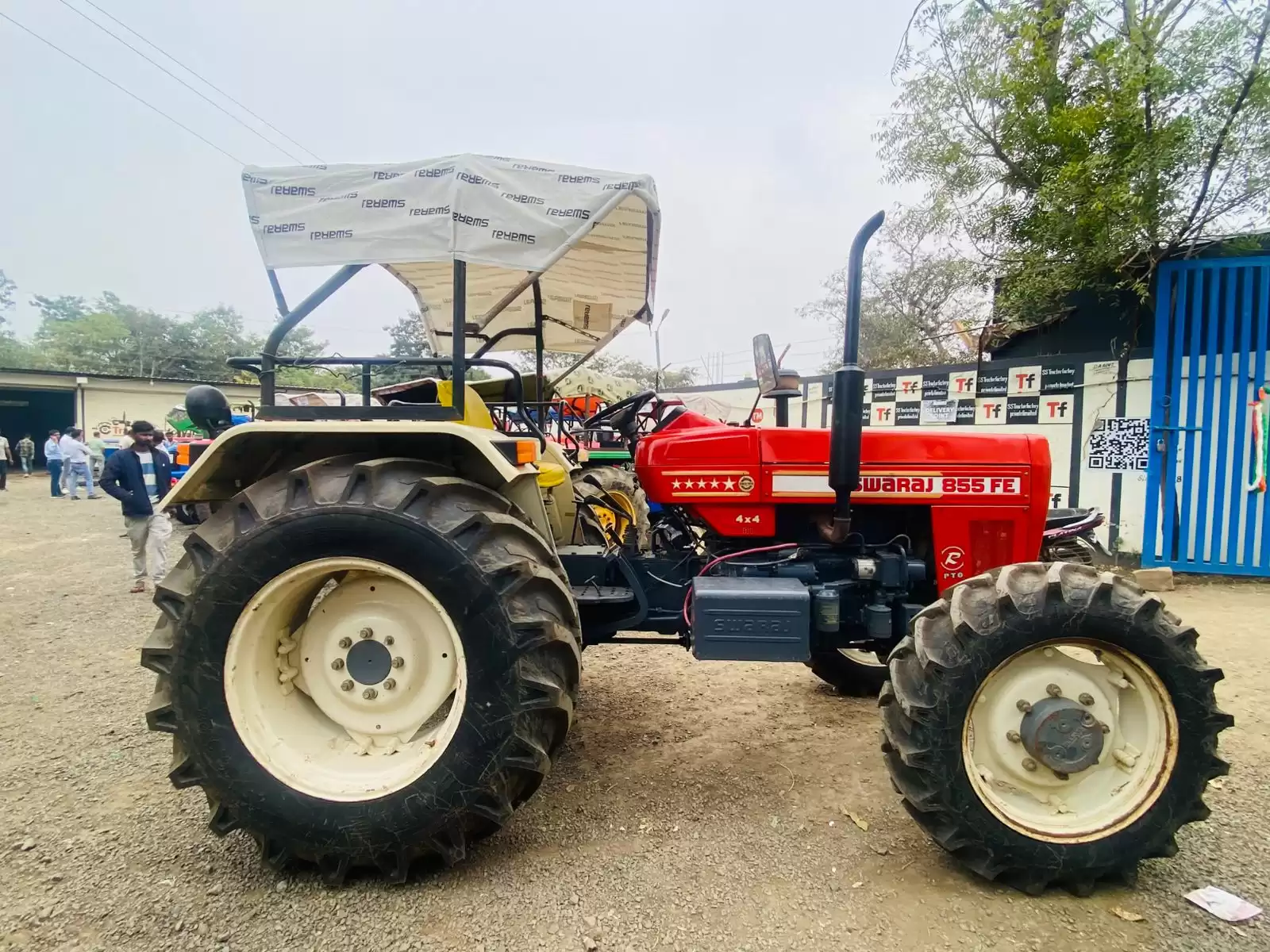
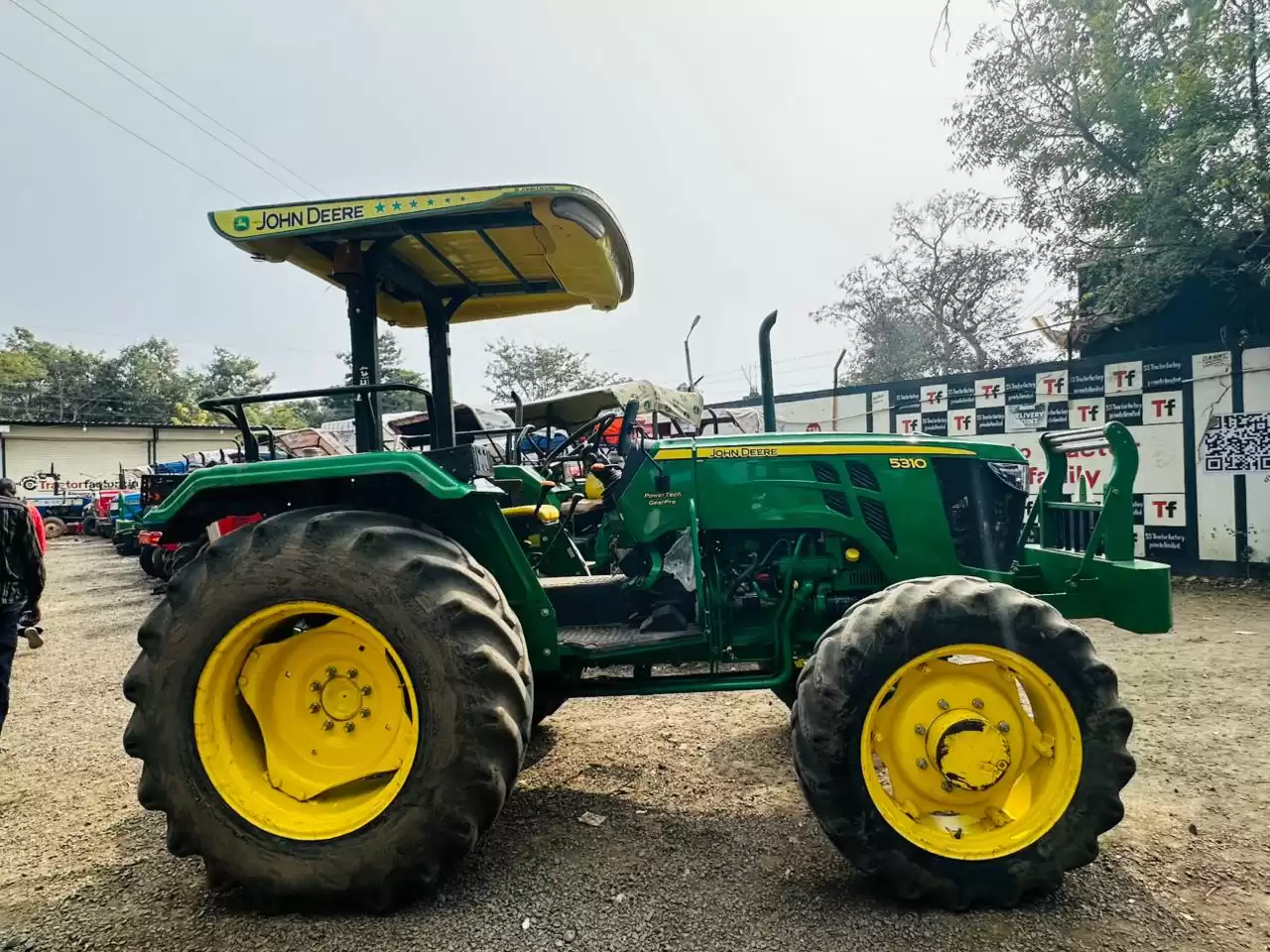
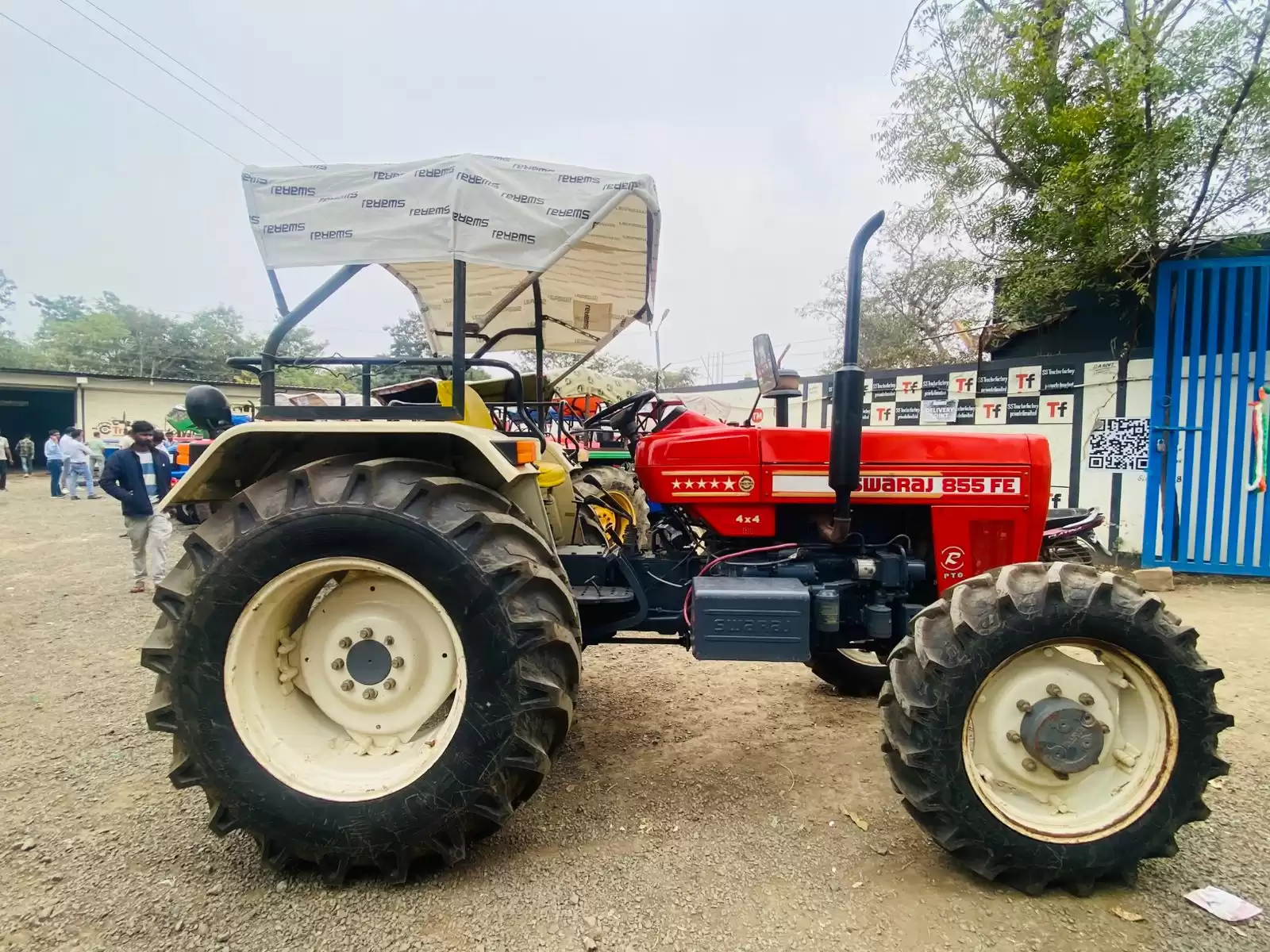
 Australia
 Singapore
 United Kingdom
 United States
 Germany
 South Africa
 New Zealand
 Nigeria
 Canada
 France
 Spain
Spain Italy
Italy Ireland
 UAE
UAE