
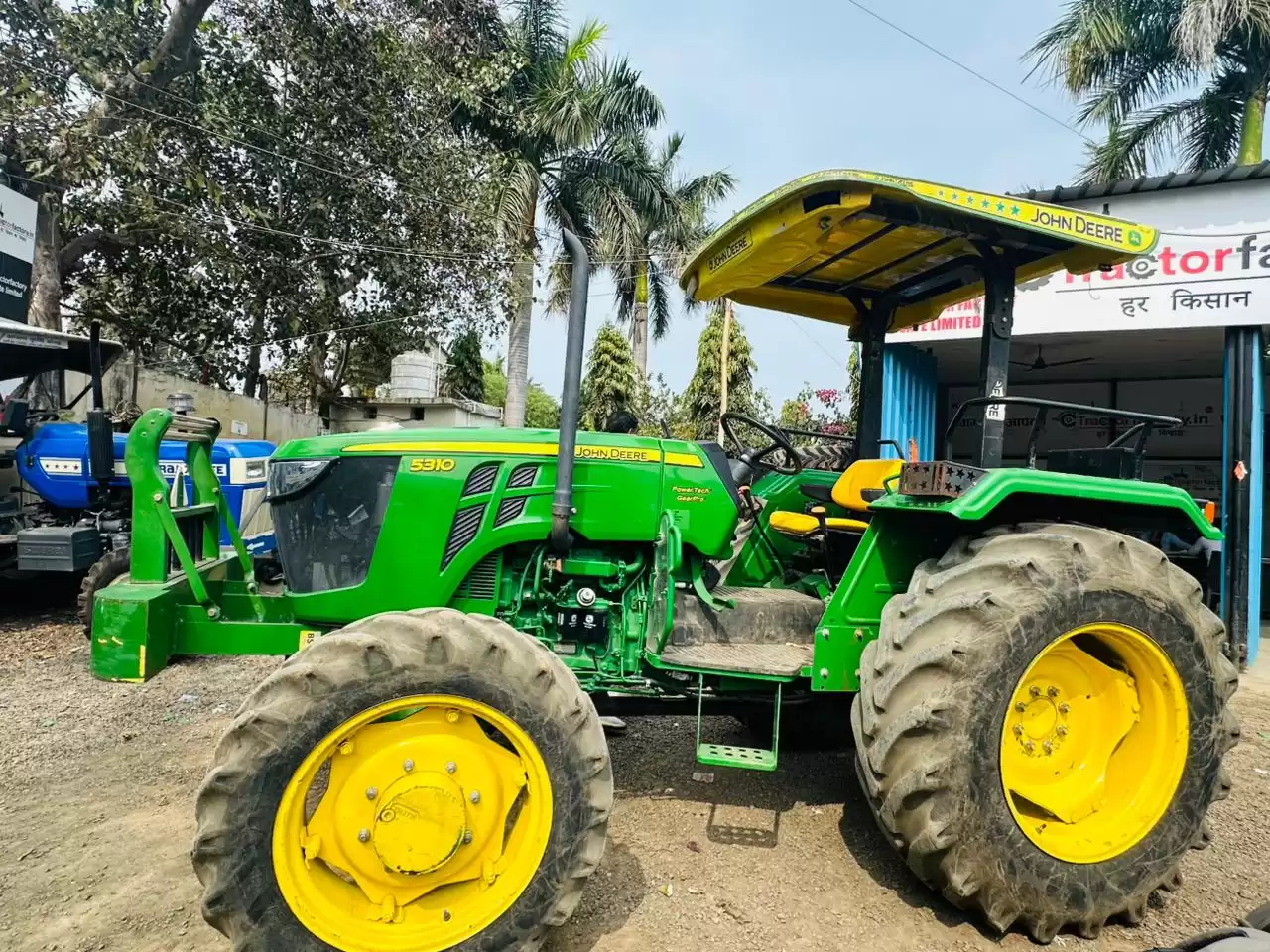
| Ad Type | I am offering |
Anyone who has worked land long enough knows this feeling. You start a cold engine before sunrise, metal creaks, a little smoke comes out, and then the tractor settles into its rhythm. Old tractors have that habit. They don’t rush. They don’t pretend to be something else. They just work.
For many farmers, an old tractor isn’t a backup machine. It’s the main one. It ploughs fields, pulls trolleys, runs water pumps, and does it all without asking for software updates or dealer visits every season. There’s comfort in that simplicity, especially when margins are tight and work can’t wait.
Older tractors were designed in a different mindset. Thick metal. Heavy frames. Engines that could handle rough diesel and dusty air without complaining too much. You can feel the weight when you climb on.
They weren’t built for showroom appeal. They were built to survive bad roads, overloaded trolleys, and operators who learned by doing, not by manuals. That’s why you still see 25- or 30-year-old machines running in villages, sometimes with faded paint but a strong heart.
Modern engines are powerful, no doubt. But they can be unforgiving. One wrong fuel mix, a missed service, and problems start stacking up.
Old tractor engines are different. They tolerate mistakes. Miss an oil change by a few hours? Usually fine. Use local diesel? Still runs. Overload once in a while? It grumbles but keeps going.
That forgiveness matters in real farming conditions, where perfection is rare and improvisation is normal.
Ask any mechanic in a rural workshop about old tractors. Most will smile.
Parts are visible. Problems are understandable. You don’t need a laptop to diagnose a noise. A wrench, experience, and patience often do the job. Many farmers learn basic repairs themselves. Clutch adjustment. Fuel line cleaning. Minor electrical work.
This reduces dependency. And dependency, in farming, often becomes expense.
Buying a new tractor is a big decision. Loan paperwork, EMIs, insurance, and the pressure to use it constantly just to justify the cost.
Old tractors come with breathing space. The initial investment is lower. Depreciation is slower. Even if resale happens after years, the loss isn’t painful.
For small and medium farmers, this balance matters more than fancy features. Cash flow matters more than digital dashboards.
Not every farm needs a high-horsepower machine. Many operations involve small plots, narrow paths, orchard rows, or frequent trolley runs.
Older tractors, especially in the 30–45 HP range, fit these jobs well. They turn easily. They handle uneven ground without fuss. They don’t intimidate new operators.
In villages where one tractor serves multiple families or tasks, versatility beats raw power.
On paper, newer tractors promise better fuel efficiency. In real fields, things change. Load variation, operator habits, and terrain affect consumption more than brochures admit.
Well-maintained old tractors can be surprisingly efficient. Their engines run at steady RPMs. No complex electronics trying to outsmart the driver. Just throttle control and experience.
Many farmers know exactly how much diesel their old machine drinks per acre. That predictability builds trust.
This part rarely shows up in calculations. But it’s real.
Some tractors are inherited. A father bought it. A son learned driving on it. A family’s first good harvest happened with it in the field.
Selling such a machine feels like selling a memory. That emotional weight keeps many old tractors in service long after newer options appear.
Old tractors pair well with locally made implements. Desi ploughs, seed drills, cultivators welded by nearby fabricators.
No compatibility issues. No proprietary connectors. If something doesn’t fit, it’s adjusted on the spot.
This ecosystem of local repair and customization keeps costs down and machines relevant.
Of course, age brings challenges. Worn-out hydraulics. Play in steering. Electrical gremlins that appear randomly.
But these issues usually come gradually. They don’t surprise you overnight. Farmers learn to listen. A new sound here. Slight vibration there.
With timely attention, many problems stay manageable for years.
The demand for used and old tractors remains strong. Especially models with proven track records.
Buyers look for engine health first. Then gearbox. Cosmetic condition matters least. Scratches tell stories.
A well-kept old tractor sells quickly because buyers know what they’re getting. Reliability over novelty.
Young operators often start on old tractors. And that’s a good thing.
They learn mechanical sympathy. They feel the machine instead of relying on sensors. They understand limits.
This knowledge carries forward, even when they later operate modern equipment.
Manufacturing a new tractor consumes resources. Steel, energy, transport. Keeping an old tractor running avoids that footprint.
It’s not a perfect solution, but extending machine life has its own quiet environmental benefit.
Reuse isn’t always glamorous. But it’s practical.
There’s social pressure too. New tractors look good. They signal progress.
But pride doesn’t plough fields. Work does.
Many farmers quietly choose old tractors because results matter more than appearances. Harvest doesn’t care how shiny the hood is.
I’ve seen an old tractor pull sugarcane loads heavier than it should. Slowly. Patiently. No drama.
I’ve watched farmers park new machines during peak season because a sensor failed, while an older tractor kept running daily.
These stories don’t make advertisements. But they shape real decisions.
Old tractors demand respect. No fancy safeguards. No automatic corrections.
Operators learn to stay alert. They understand weight transfer, braking distance, and slope behavior through experience.
That awareness often makes better drivers, not reckless ones.
Not every old tractor is a good buy. Abuse leaves marks.
Check compression. Listen to cold starts. Watch exhaust color. Test hydraulics under load.
A genuine seller matters as much as the machine. History matters.
Farming has changed, yes. But not every change requires new machines.
Old tractors continue to fit many roles. Secondary work. Transport. Seasonal operations.
They coexist with modern equipment rather than competing with it.
There’s something calming about using a tractor you know well.
You know its moods. You know when to ease off. You know when it can push harder.
That confidence reduces stress during critical farming windows.
As long as farming values reliability, control, and affordability, old tractors will remain relevant.
They may not headline expos. They may not trend online.
But out in the fields, where soil meets steel, they continue doing what they always have.
Working. Steadily. Without asking for attention.

 Australia
 Singapore
 United Kingdom
 United States
 Germany
 South Africa
 New Zealand
 Nigeria
 Canada
 France
 Spain
Spain Italy
Italy Ireland
 UAE
UAE