
| Ad Type | I am offering |
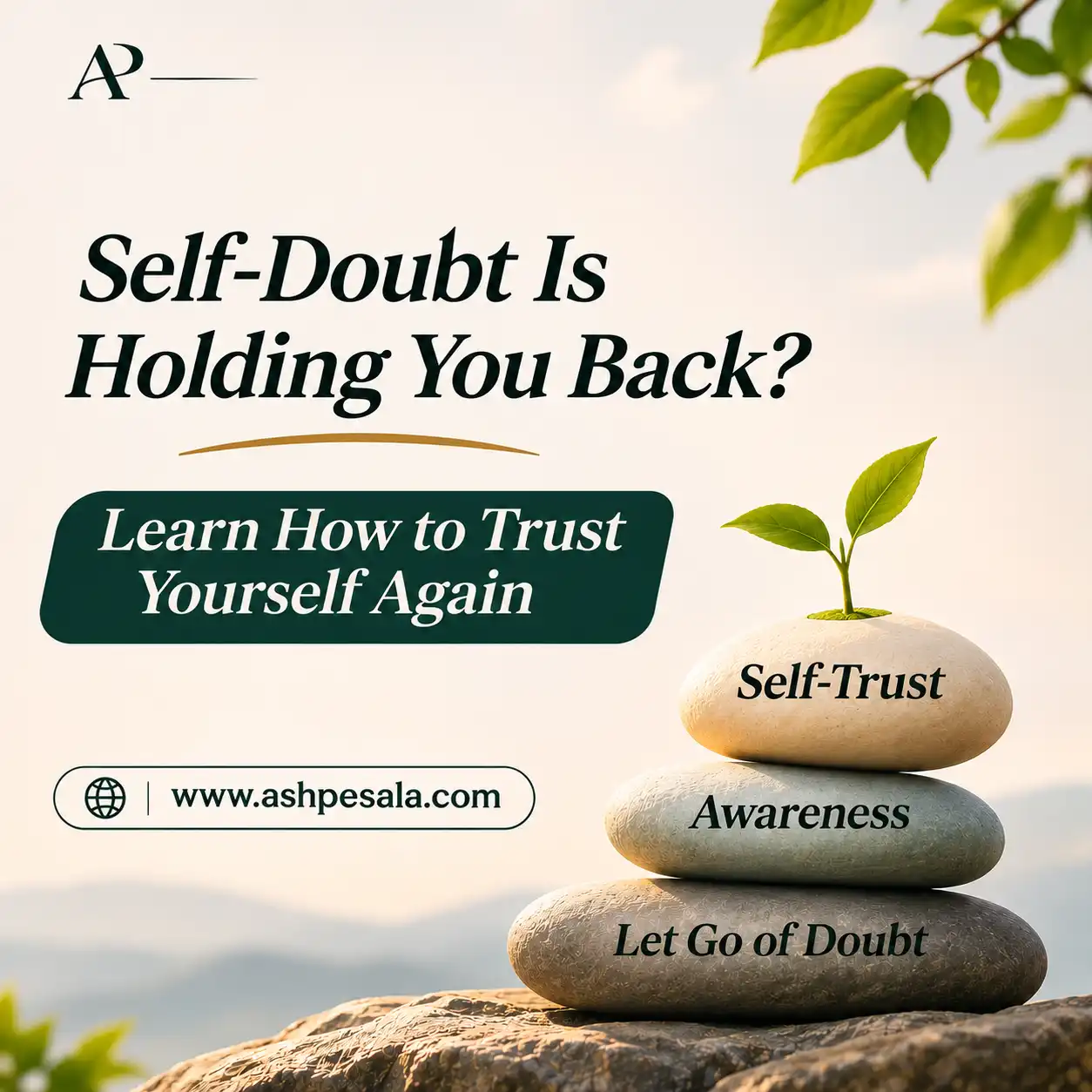
Understanding the beliefs and fears behind self-doubt can help you make confident decisions and move forward with greater self-awareness.
Have you ever had a good idea but stopped yourself from trying because you were unsure of your abilities?
Perhaps you wanted to apply for a better job, start a business, express your opinion, or make an important life decision. But somewhere along the way, thoughts like "What if I fail?" or "Am I good enough?" made you hesitate.
This experience is more common than many people realise.
Self-doubt can make even simple decisions feel difficult. You may constantly compare yourself with others, question your abilities, or look for approval before taking action.
But have you ever wondered why you find it difficult to trust yourself?
Sometimes, self-doubt is connected to deeper beliefs and fears that influence how you see yourself.
Self-doubt is not always a sign that you lack ability. Sometimes, it develops through past experiences, criticism, repeated disappointments, or unrealistic expectations.
For example, imagine someone who made a mistake during an important presentation. Instead of seeing it as one learning experience, they begin believing, "I am not good at speaking."
The next time an opportunity comes, they may avoid speaking because they fear making another mistake.
Here, the problem is not simply the presentation. It is the belief they developed and the fear of repeating the experience.
1. Fear of Failure
You may believe that making a mistake means you are not capable.
This belief can stop you from trying new things or accepting opportunities.
But failure does not define your worth. It can provide information about what needs to improve.
2. Fear of Judgement
You may worry too much about how others see you.
You might avoid sharing your ideas, expressing your feelings, or making independent decisions because you are afraid of criticism.
Remember, you cannot control everyone's opinions. Your decisions should also reflect your own values and needs.
3. Fear of Making the Wrong Decision
You may feel that every decision must be perfect.
As a result, you repeatedly compare options, ask others for reassurance, and delay taking action.
But self-trust does not mean knowing exactly what will happen. It means being willing to make thoughtful decisions and learn from the outcomes.
Building self-trust does not happen overnight. It develops through small actions and the way you respond to your own experiences.
Here are four practical ways to begin.
1. Question Your Negative Beliefs
When you think, "I am not good enough," pause and ask whether it is a fact or an assumption.
Try to look at your experiences more fairly.
2. Stop Depending on Everyone's Approval
Advice from others can be helpful, but you do not need everyone's agreement to make a decision.
Learn to consider your own values, priorities, and feelings.
3. Keep Small Promises to Yourself
Choose one realistic task and complete it.
Small actions, repeated consistently, can help you build confidence in your ability to follow through.
4. Accept That Mistakes Are Part of Learning
You do not need to get everything right the first time.
Instead of judging yourself for every mistake, ask what you can learn and what you can do differently next time.
The next time you doubt yourself, take a moment and ask:
"Am I questioning my ability, or am I afraid of what might happen?"
Understanding the difference can help you respond more consciously instead of allowing fear to make every decision.
You do not have to become a completely different person to trust yourself again.
Sometimes, you simply need to question the beliefs that make you feel incapable and understand the fears that keep you from moving forward.
Self-trust grows when you begin recognising your strengths, accepting your imperfections, and taking responsibility for your choices.
You may not feel confident every day, but you can still choose to take the next step.
Ash Pesala focuses on personal growth, self-awareness, human psychology, beliefs, fears, and emotional well-being. Through educational content and practical reflections, the platform encourages individuals to understand their thought patterns, recognise what holds them back, and make more conscious choices in everyday life.
To explore more articles and insights, visit:
Website: https://ashpesala.com/
Blog: https://ashpesala.com/blog




 Australia
 Singapore
 United Kingdom
 United States
 Germany
 South Africa
 New Zealand
 Nigeria
 Canada
 France
 Spain
 Italy
 Ireland
 UAE